← Go Back


A hip fracture after age 65 significantly increases mortality risk within the first year. Not from the fracture itself, but from the cascade of complications it can trigger: immobility, muscle loss, pneumonia, blood clots, and loss of independence just to name a few. The worst part? Most of these fractures are preventable. Bone density isn't just about avoiding broken bones, but a longevity biomarker that can help predict your independence, vitality, and lifespan decades before a fracture occurs. And unlike many aspects of aging, bone health responds powerfully to the right interventions, especially when you start early and are proactive.
Understanding bone density reveals why some people remain strong and mobile into their 80s and 90s while others face devastating fractures in their 60s. Many times, the difference isn't genetics or luck. It's what they did decades earlier to build, maintain, and protect their skeletal foundation.
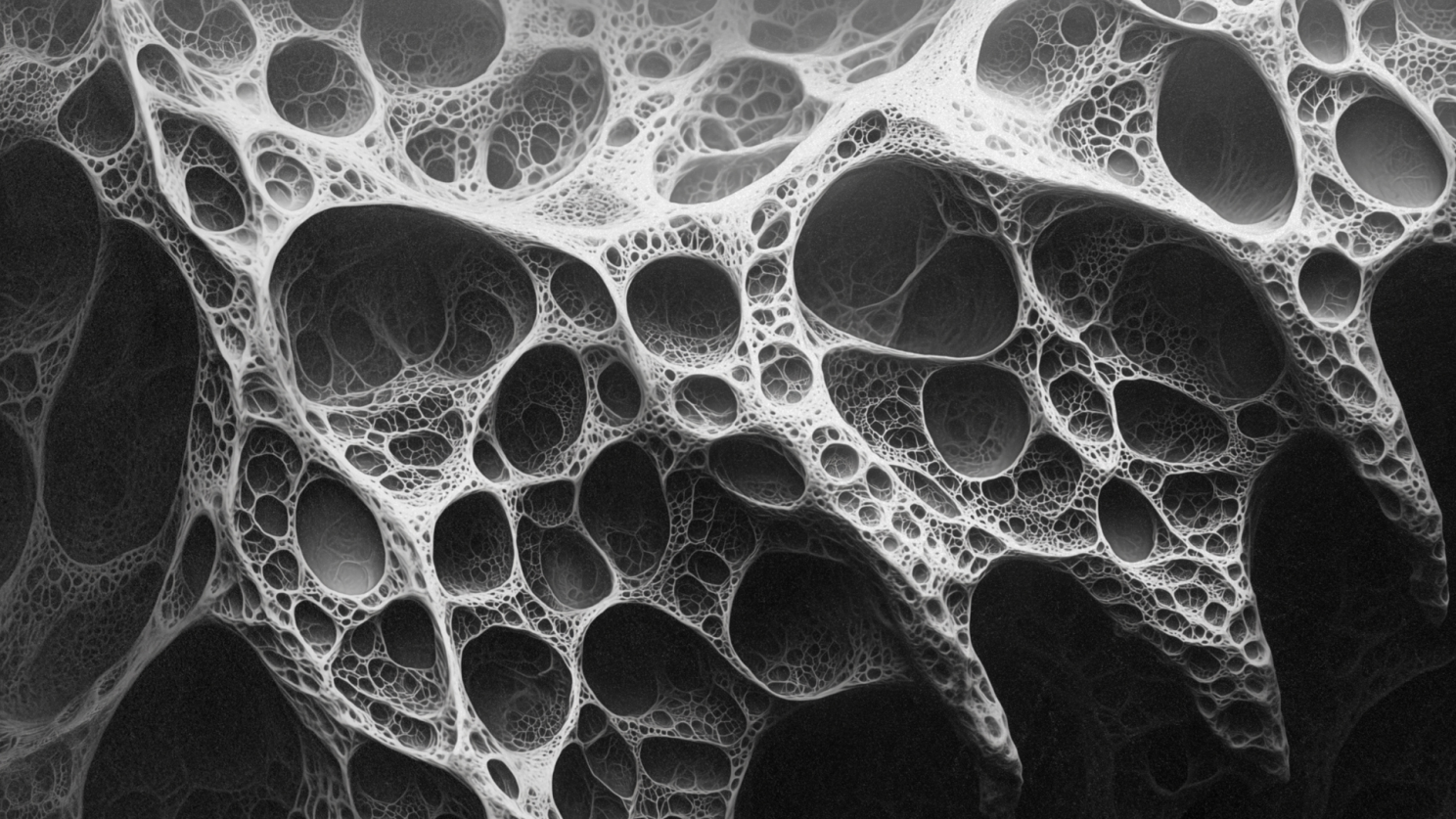
Bone density refers to the amount of mineral matter (primarily calcium and phosphorus) per square centimeter of bone tissue. Higher density means stronger, more resilient bones. Lower density means bones that are more porous, fragile, and prone to fracture and breaks.
Your bones aren't static structures. They're living tissue that constantly remodels through a balance of two processes: bone formation (driven by cells called osteoblasts) and bone resorption (driven by cells called osteoclasts). When formation exceeds resorption, you build bone mass. When resorption exceeds formation, you lose it.
Peak bone mass is the maximum bone density you achieve in your lifetime, typically reached around age 30. After that, the balance begins to shift. Without intervention, most people lose approximately 1% of their bone mass per year after age 40. For women, this accelerates dramatically in the first five to ten years after menopause, when declining estrogen levels can cause bone loss of 2 to 3% annually.
By age 50, roughly half of women and a quarter of men will experience an osteoporosis-related fracture in their remaining lifetime. These aren't minor injuries. They're often life-altering events that can mark the beginning of serious functional decline.
Bone density predicts far more than fracture risk. It's a marker of overall health, physical resilience, and biological aging.
Hip fractures are particularly devastating. Studies show that a significant portion of people who suffer a hip fracture never regain their previous level of function. Many require long-term care or assistance with daily activities, and some of those individuals could unfortunately end up in a nursing home or another form of assisted living.
The mortality statistics are sobering. Hip fractures are associated with significantly increased risk of death (higher likelihood of dying) in the first year, primarily due to complications like pneumonia, blood clots, infections, and the systemic stress of immobilization and surgery. Even those who survive can face disability, loss of independence, and dramatically reduced quality of life.
Bone health directly determines your ability to remain mobile, active, and independent as you age. Strong bones allow you to walk confidently, climb stairs, carry groceries, play with children/grandchildren, travel, and maintain all the activities that give life meaning. While hip fractures are particularly devastating due to their impact on mobility and independence, fractures in other areas like the spine, wrist, and shoulder also significantly affect quality of life and can limit your ability to perform daily tasks. Fragile bones create fear of falling, limit physical activity, and progressively narrow your world.
Bone density correlates strongly with muscle mass and metabolic health. The mechanical loading that builds bone also builds muscle. The hormonal and nutritional factors that support bone health also support metabolic function. People with higher bone density tend to have better muscle strength, balance, coordination, and overall physical resilience.
Bone density is commonly measured using a DEXA scan (dual-energy X-ray absorptiometry), a quick, painless, low-radiation test that measures bone mineral density. Results are reported as T-scores, which compare your bone density to that of a healthy 30-year-old adult.

T-Score Interpretation:
Who should get tested?
While bone density testing is recommended for specific populations, it's often beneficial for these individuals to get screened:
However, waiting until 65 means you've potentially missed decades of opportunity to build and preserve bone mass. Younger people with risk factors (family history, low body weight, early menopause, chronic use of certain medications) should consider earlier testing.
Several factors can accelerate bone density decline:
The good news: bone density is modifiable at any age through strategic interventions.
Resistance training is the most powerful stimulus for bone formation. When you lift weights or perform bodyweight exercises, the mechanical stress signals your body to strengthen bone in the areas being loaded.

Key principles:
Even moderate resistance training can significantly increase bone mineral density, particularly at the spine and hip which are the sites most vulnerable to fracture.
Activities that involve impact or weight-bearing stress can also help stimulate bone formation. These include walking, hiking, jogging, dancing, tennis, and jumping exercises (if appropriate for your fitness level).
The key is mechanical loading. Swimming and cycling, while excellent for cardiovascular fitness, provide minimal bone-building stimulus because they're non-weight-bearing.
Protein is essential for bone health. Bone is approximately 50% protein by volume, and adequate protein intake supports both bone formation and muscle mass (which loads bones and reduces fall risk).
Studies suggest that higher protein intake (0.55 to 0.73 grams per pound of body weight, or 1.2 to 1.6 grams per kilogram of body weight) supports better bone density and reduces fracture risk, particularly when combined with resistance training.
Calcium is the primary mineral in bone, and vitamin D is essential for calcium absorption. However, more isn't always better. Excessive calcium supplementation may not improve bone health and could have cardiovascular risks.
Vitamin K2 directs calcium into bones rather than soft tissues. It works synergistically with vitamin D to support bone mineralization. Magnesium is involved in bone structure and helps regulate calcium metabolism.
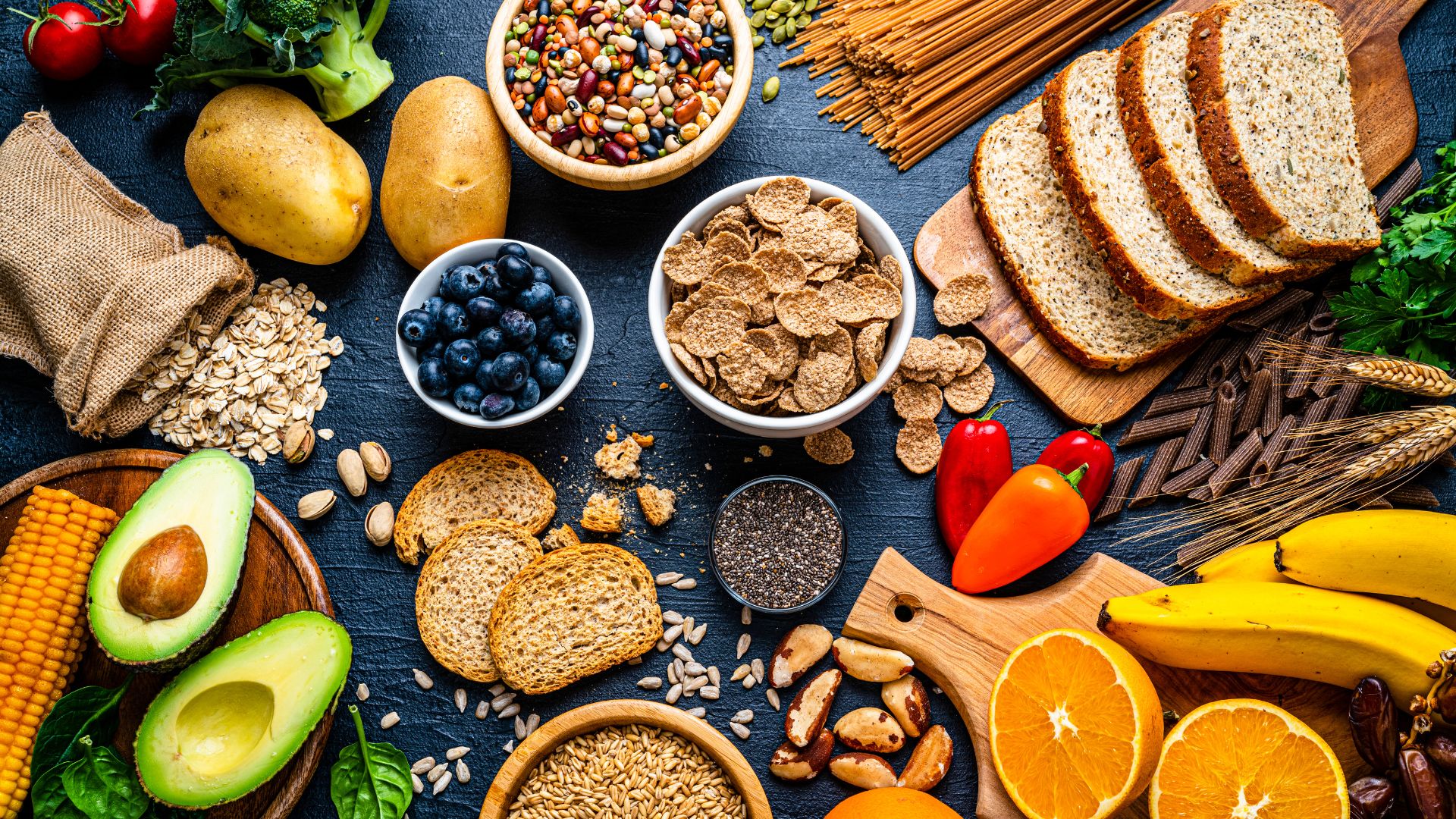
Sources:
Preventing falls reduces fracture risk. Key strategies include:
Minimize factors that accelerate bone loss:
These strategies support bone health but do not replace medical evaluation or treatment for diagnosed osteopenia or osteoporosis.
Bone health is relevant at every age:
In your 20s and 30s: Focus on building peak bone mass through resistance training, impact activities, and adequate nutrition. The bone density you achieve by age 30 provides a buffer for decades. High-impact activities like jumping, running, and heavy resistance training are most effective during these years when your body is most responsive to bone-building stimuli.
In your 40s and 50s: Shift to preservation. Maintain the habits that protect bone density and prevent accelerated loss. Women approaching menopause should be especially proactive, as estrogen decline can cause rapid bone loss. This is the time to establish consistent resistance training habits, optimize nutrition, and consider baseline DEXA testing if you have risk factors. Men should also remain vigilant, as testosterone begins declining and bone loss accelerates.
In your 60s and beyond: Continue resistance training and weight-bearing activity to slow bone loss. Consider DEXA screening to assess current status and guide interventions. If osteopenia or osteoporosis is present, work with a healthcare provider on treatment options, which may include medication alongside lifestyle interventions. Focus on fall prevention strategies and maintaining the muscle strength and balance that protect against fractures. Even at this stage, resistance training and proper nutrition can slow bone loss and reduce fracture risk significantly.
The habits that build and preserve bone density (resistance training, adequate protein, weight-bearing activity, and strategic nutrition) are the same habits that support muscle mass, metabolic health, and functional capacity. Protecting your bones isn't just about preventing fractures. It's about preserving the structural foundation that allows you to remain active, independent, and engaged with life as you age. Strong bones enable you to maintain all the physical capacity that gives life meaning. The interventions are straightforward, the science is clear, and the time to start is now, regardless of your current age. Your future independence depends on the choices you make today!

The assistant is still loading. Try again in a moment, or email hello@wellpro.ai.