← Go Back


What comes to mind when you hear the word cortisol? For most people, it's stress. Maybe weight gain. Maybe something you're supposed to keep as low as possible. Scroll through any wellness feed and you'll likely find co
But cortisol isn't always a problem. In fact, it's an incredibly important hormone that your body produces.
Every morning, cortisol is what wakes you up, sharpens your focus, and gives you the energy to start your day. It mobilizes glucose (your body's primary source of quick energy) for fuel, regulates your immune response, helps control inflammation, and supports your body's ability to adapt to physical and mental challenges. Without adequate cortisol, you wouldn't be able to get out of bed, respond to a deadline, or recover from a workout.
The real issue isn't cortisol itself. It's what happens when the natural rhythm of cortisol production gets disrupted. That's when cortisol can start contributing to the very problems people blame it for. Your body is designed to produce cortisol in a specific pattern: high in the morning, gradually declining throughout the day, and reaching its lowest point at night. When that rhythm stays intact, cortisol works for you. When chronic stress, poor sleep, or lifestyle habits flatten or invert that curve, the same hormone that keeps you sharp and resilient can start severely working against you.
Cortisol follows what's known as a diurnal rhythm. In a healthy pattern, cortisol begins rising during the final hours of sleep and peaks within about 30 to 45 minutes of waking. This is called the cortisol awakening response, and it's one of the most important hormonal events of your day. It's what gives you that natural alertness and motivation in the morning without needing caffeine to function.
From that morning peak, cortisol gradually declines through the afternoon and evening, reaching its lowest levels around midnight. This decline is what allows your body to wind down, produce melatonin, and enter more restorative sleep. The entire cycle then resets overnight.
When this rhythm is intact, cortisol supports energy, focus, immune regulation, metabolism, mood stability, and recovery. When it's disrupted though, the effects can ripple across nearly every system in your body.
Cortisol's reputation as purely a stress hormone dramatically undersells what it does. It's involved in more physiological processes than most people realize.
Energy and Metabolism: Cortisol regulates blood sugar by stimulating the liver to produce glucose (the sugar your body uses as its main source of energy) through a process called gluconeogenesis. This ensures your brain and muscles have fuel available when you need it. It also influences how your body uses fats and proteins for energy. When cortisol is functioning in its normal rhythm, it helps maintain stable energy levels throughout the day.
Immune Function: In the short term, cortisol can actually be anti-inflammatory. It helps regulate the immune response so your body can build a defense against infection without overreacting. Acute cortisol release can suppress excessive inflammation and help coordinate immune cell activity. This is one reason why corticosteroid medications (which mimic cortisol) are often prescribed for inflammatory conditions.
Brain Function and Mood: Cortisol directly affects your brain. In healthy, short-term bursts, it enhances attention, alertness, and memory formation. It activates key brain regions including the hippocampus (critical for memory), the amygdala (involved in threat detection), and the prefrontal cortex (responsible for decision-making and emotional regulation). This is cortisol helping you perform under pressure, exactly as it's designed to do.
Stress Response: When you encounter a physical or psychological challenge, cortisol works alongside adrenaline to prepare your body to respond. It increases available energy, heightens your senses, and temporarily suppresses non-essential functions like digestion and reproduction so your body can focus on the immediate demand. This is closely related to why the parasympathetic state is often referred to as "rest and digest," because when your body is not in a stress response, functions like digestion can operate normally again. This acute stress response is a survival mechanism that has been part of human physiology for as long as we've existed.
The problems most people associate with cortisol aren't caused by the hormone itself. They're caused by chronic disruption of the cortisol rhythm. When stress becomes persistent, when sleep is consistently poor, or when your body never gets a clear signal that it's safe to recover, cortisol patterns can flatten or invert.
Chronic Elevation: When cortisol stays elevated throughout the day and into the evening, it can suppress immune function over time, increase systemic inflammation (the opposite of its acute anti-inflammatory effect), promote visceral fat accumulation (fat stored around your organs), impair insulin sensitivity, disrupt sleep architecture, and contribute to mood instability including anxiety and depression.
Flattened Curve: In some cases of prolonged chronic stress, the cortisol curve flattens entirely. Instead of a strong morning peak and a low nighttime trough, cortisol stays relatively flat throughout the day. This often presents as exhaustion in the morning (no peak to wake you up), difficulty concentrating, reliance on caffeine to function, and a wired-but-tired feeling at night where you're exhausted but can't fall asleep.
Inverted Curve: In more severe cases, the pattern can actually invert, with cortisol being low in the morning and rising at night. As you can imagine, this creates a vicious cycle where you drag through the day and feel most alert when you should be winding down, making restorative sleep extremely difficult.
Your brain is particularly vulnerable to sustained cortisol elevation. The hippocampus (which is critical for memory and learning) has a high density of cortisol receptors. Short-term cortisol exposure supports hippocampal function. But chronic elevation can impair memory consolidation, reduce attention and executive function, and over time has been associated with hippocampal atrophy (physical shrinkage of the brain region). Research has also linked chronic cortisol dysregulation to increased risk of neurodegenerative conditions, mood disorders, and cognitive decline with aging.
Cortisol also suppresses REM sleep when elevated at night, which impairs the brain's ability to process emotions, consolidate memories, and perform critical maintenance during sleep.
So if cortisol can be both beneficial and harmful depending on when and how much is being produced, the natural question becomes: what causes the rhythm to break down in the first place?
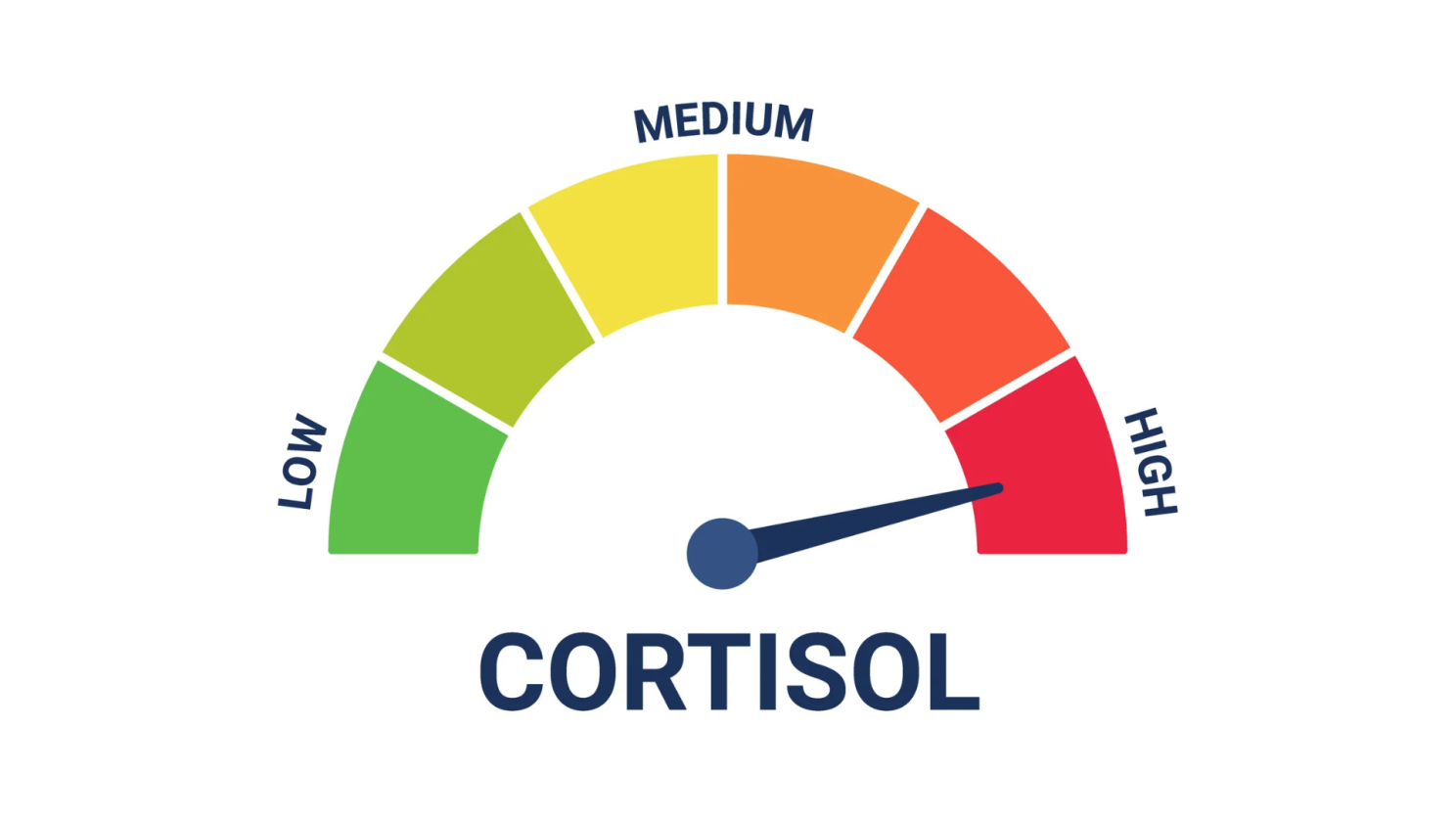
Chronic Psychological Stress: This is typically the most common driver. When stress is persistent and unresolved, the HPA axis (hypothalamic-pituitary-adrenal axis, which is the system that controls cortisol production) can become dysregulated, producing cortisol at incorrect times or in incorrect amounts.
Poor Sleep and Inconsistent Sleep Schedules: Your cortisol rhythm is closely tied to your circadian rhythm. Irregular sleep schedules, insufficient sleep, and poor sleep quality all disrupt cortisol patterns. Even a few nights of poor sleep can blunt the morning cortisol peak and elevate nighttime levels.
Late Caffeine Consumption: Caffeine stimulates cortisol production. Consuming it in the afternoon or evening can elevate cortisol at a time when it should be declining, interfering with your ability to wind down and sleep.
Overtraining Without Adequate Recovery: Exercise acutely raises cortisol, which is normal and beneficial. But excessive training without sufficient rest can lead to chronically elevated cortisol, which impairs recovery, suppresses immune function, and can contribute to the very fatigue and performance decline people are trying to avoid.
Chronic Inflammation and Poor Diet: Diets high in processed foods and refined sugars can promote systemic inflammation, which in turn stimulates cortisol production. This creates a feedback loop where inflammation drives cortisol elevation and elevated cortisol promotes more inflammation.
The goal isn't to lower cortisol. It's to restore and maintain the natural rhythm.
Morning Sunlight: Exposure to bright natural light within 30 to 60 minutes of waking helps reinforce the cortisol awakening response and anchors your circadian rhythm. This is one of the simplest and most effective interventions for cortisol health.

Consistent Sleep Schedule: Going to bed and waking up at the same time every day (yes, this also includes weekends) helps stabilize your circadian rhythm and supports the natural cortisol curve. Consistency may matter as much as total sleep duration.
Exercise Timing: Morning or early afternoon exercise supports the natural cortisol pattern by aligning physical stress with the time when cortisol is naturally higher. Intense exercise late in the evening can elevate cortisol at a time when it should be declining.
Caffeine Cutoff: Limiting caffeine to the morning hours (ideally before noon or early afternoon) prevents artificial cortisol elevation during the decline phase of your daily rhythm.
Stress Management Practices: Breathwork, meditation, yoga, time in nature, and social connection all help activate the parasympathetic nervous system, which counterbalances the cortisol driven stress response and can help support recovery. Even five to ten minutes of intentional downregulation daily can make a measurable difference in cortisol patterns over time.

Nutrient Support: Things like magnesium, omega-3 fatty acids, and vitamin C have been studied for their potential to support healthy cortisol regulation. Adaptogenic herbs like ashwagandha and rhodiola have also shown promise in research, though it's important to note that these can interact with medications and may not be appropriate for everyone.
If there is one takeaway from this newsletter, it's that cortisol isn't your enemy. It's one of the most essential hormones your body produces, and when it's functioning in its natural rhythm, it supports virtually every system you have. The goal isn't elimination. It's understanding how to keep the rhythm intact so cortisol works for you... rather than against you.
The interventions that support healthy cortisol aren't complicated. Get morning sunlight. Move your body at the right times. Sleep consistently. Manage stress intentionally, and be mindful of when you consume caffeine. And these are only a few of the strategies available. Everyone is different, so finding the combination that works best for your lifestyle is part of the process. Your body already knows how to regulate this hormone. Give it the right conditions, and it will!

The assistant is still loading. Try again in a moment, or email hello@wellpro.ai.