← Go Back


Electrolytes are one of those words that most of us have heard the buzz around, but few fully understand. We know they matter for hydration, but what are they really, where do they come from, and do you actually need to supplement them?
What Are Electrolytes?
Electrolytes are minerals that carry a small electrical charge when dissolved in your body's fluids. That charge is what makes them so important. Your body uses it to run some of its most essential functions.
The main ones are sodium, potassium, magnesium, calcium, and chloride. Together, they help regulate hydration, muscle contractions, nerve signaling, heart rhythm, and blood pressure. In other words, they keep the electrical side of your body running.
Where Do They Come From?
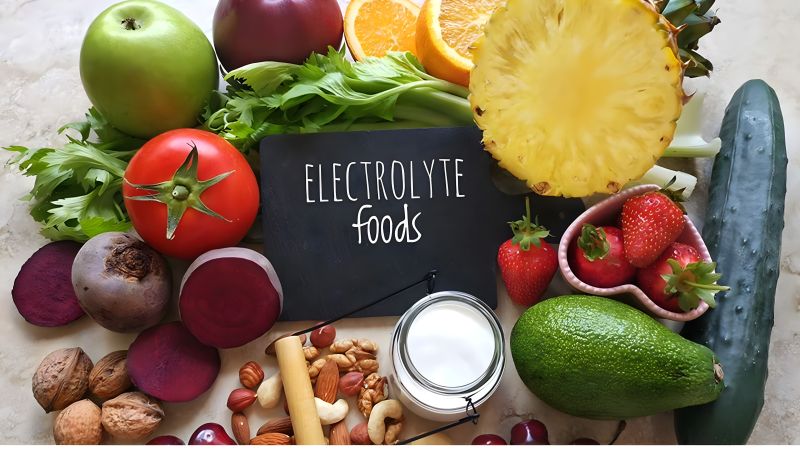
Here's the part the supplement aisle tends to skip: most electrolytes come from everyday food.
A reasonably balanced diet usually covers all of them without much effort.
Do You Actually Need to Supplement?
For most people the answer is no. Your body is very good at regulating electrolyte levels on its own, and a normal diet typically provides what you need. In fact, surveys suggest most people get plenty of sodium but fall short on potassium and magnesium, so the mineral balance many people are missing usually comes from food, not a packet.
That said, there are times when electrolyte drinks or supplements genuinely help:
Outside of those situations, an expensive powder usually isn't doing much that food isn't already doing for free.
The Takeaway
Electrolytes are essential, but for most people they're not something you need to buy. Focus on a varied diet with plenty of potassium and magnesium rich foods, then add electrolytes intentionally around the moments that actually call for them: hard workouts, heavy sweating, sauna sessions, or a rough morning after.
Electrolytes don’t need to be complicated. For most people, the goal is simple: eat a varied diet, hydrate normally, and use electrolyte drinks when you know you’re heading into a situation that calls for them!
Want to Learn More? Check Out:
The assistant is still loading. Try again in a moment, or email hello@wellpro.ai.