← Go Back


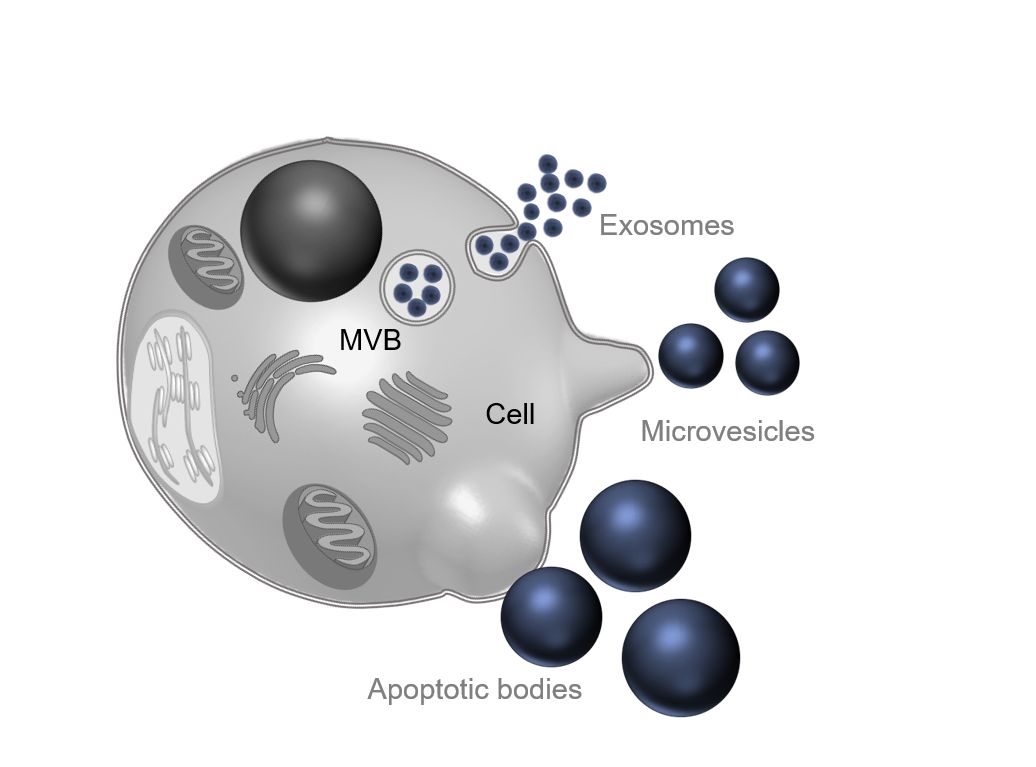
Every day, without you knowing it, your cells release billions of microscopic packages that carry precise healing instructions and repair signals throughout your body. What are they? Well, they're called exosomes, and they're so small that millions could fit on the head of a pin, yet most of us have never heard of them. They may be tiny, but their impact on the future of regenerative medicine could be enormous.
For years, some scientists dismissed exosomes as cellular "garbage," just waste products that cells expelled to stay clean. But as research progressed, it revealed that exosomes are sophisticated communication networks, carrying crucial molecular instructions between cells throughout your body. These microscopic messengers transport repair signals, growth factors, and genetic information exactly where they're needed most. The field of exosome research really took off in the early 2000s, though these cellular structures were first observed in the 1980s when they were largely ignored and considered cellular waste.
This discovery represents a fundamental shift in how we understand healing. Instead of trying to transplant entire cells into damaged tissue, we might be able to harness the body's own communication system to trigger repair from within.
Exosomes are extracellular vesicles, typically 30 to 150 nanometers in size, which are released by almost every cell type in your body. To put their size into perspective, if a cell were the size of a football stadium, an exosome would be about the size of a marble sitting in the middle of the field.
But don't let their tiny size fool you. These microscopic messengers are packed with powerful cargo including microRNAs that can alter gene expression, growth factors that stimulate tissue repair, proteins that modulate inflammation, and enzymes that facilitate cellular processes. When an exosome reaches its target cell, it delivers this molecular cargo, essentially reprogramming the receiving cell to behave differently.
This process happens constantly throughout your body. Every day, billions of exosomes shuttle between your cells, coordinating repair processes, managing inflammation, and maintaining tissue health.
The exosome communication system influences virtually every aspect of how your body maintains and repairs itself:
Tissue Regeneration: Exosomes from healthy cells can essentially "teach" damaged tissue how to heal more effectively. In musculoskeletal injuries (injuries to muscles, bones, and joints), they accelerate healing of cartilage, tendons, and muscle by delivering specific repair instructions directly to injured cells.
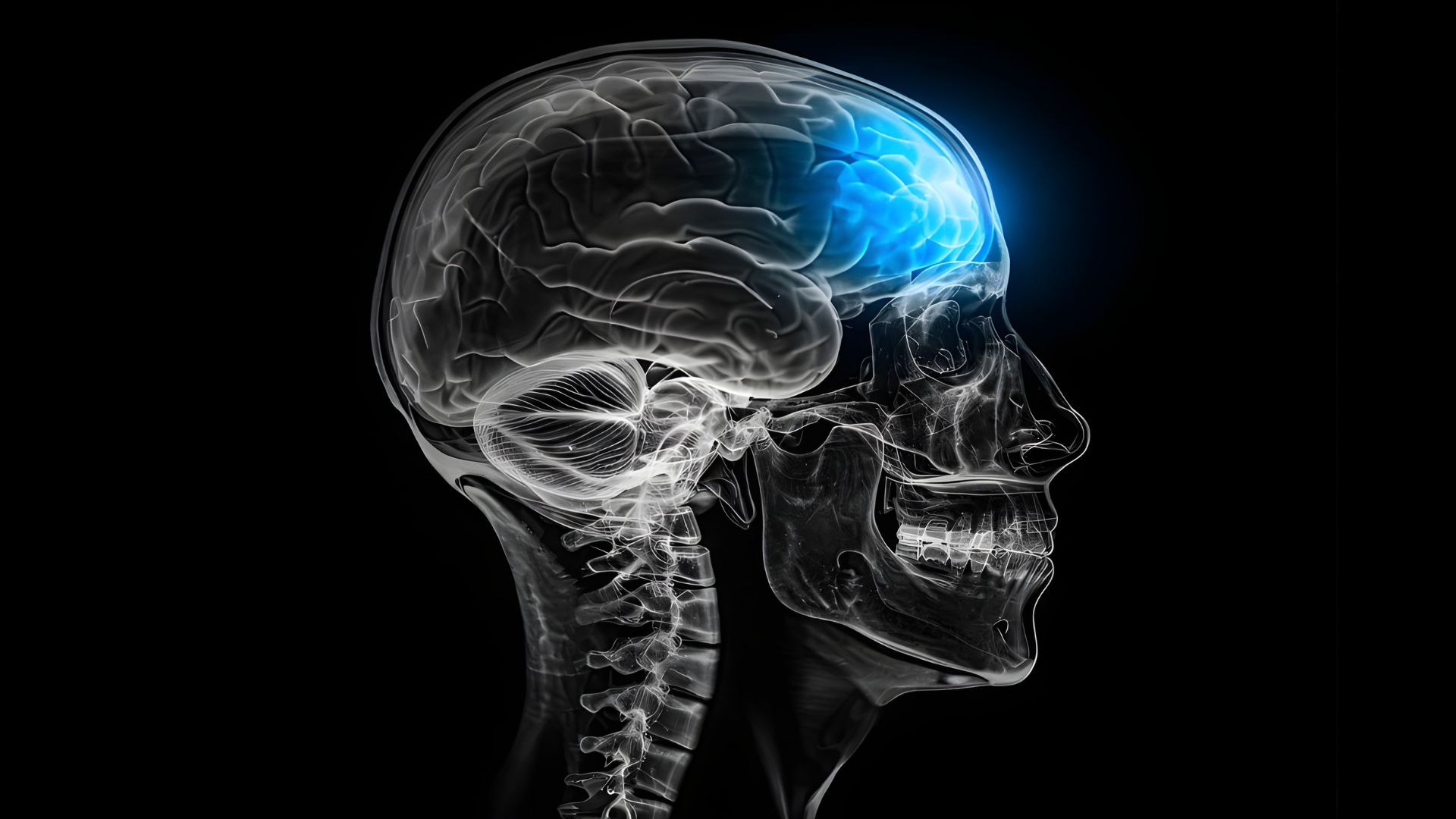
Brain Health: Perhaps most remarkably, exosomes can cross the blood-brain barrier, something most treatments struggle to do. This means they can deliver neuroprotective factors directly to brain cells, which offers new possibilities for treating everything from stroke recovery to neurodegenerative diseases.
Immune System Modulation: Your immune system uses exosomes to coordinate responses to threats and injuries. They can dial down excessive inflammation while promoting healing, creating a more balanced and effective immune response.
Skin and Anti-Aging: Dermatology research shows exosomes might be able to stimulate collagen production, improve skin elasticity, and accelerate wound healing. Some studies report visible improvements in skin texture and firmness after exosome treatments.
Here's what makes exosomes particularly exciting compared to traditional cell-based therapies:
Safety Profile: Since exosomes are cell-free, they can't divide uncontrollably or form tumors, which is a concern with some stem cell treatments. They carry the beneficial signals without the risks associated with transplanting living cells.
Reduced Immune Rejection: Exosomes are less likely to trigger immune responses compared to foreign cells, making them potentially safer for therapeutic use.
Practical Benefits: They're easier to manufacture, store, and transport than living cells. They can be administered through injections, IV infusions, or even topical applications, offering flexibility in treatment approaches.
Targeted Delivery: Exosomes naturally hone in on damaged or inflamed tissue, acting like biological GPS systems that deliver healing signals exactly where they're needed.
The research landscape is rapidly evolving, with many studies currently investigating exosome therapies. Early phase clinical trials are showing promising safety profiles and efficacy signals across multiple conditions including osteoarthritis (joint inflammation and degradation) and joint pain, cardiovascular repair after heart attacks, chronic wound healing, kidney disease, and various neurodegenerative conditions.
However, it's important to understand the current regulatory landscape. In the United States, exosome products are considered experimental and are generally not authorized outside approved clinical trials. While some regenerative medicine clinics offer exosome treatments, these exist in a regulatory gray area and aren't yet approved for most medical conditions.
The field is moving quickly though, with researchers working to standardize manufacturing processes, establish dosing protocols, and demonstrate efficacy through rigorous clinical trials.
Whether you're a healthcare provider or someone interested in cutting-edge wellness approaches, understanding exosomes positions you ahead of the curve in regenerative medicine. Here's how to think about this emerging field:
Stay Informed: Exosomes represent a significant advance in regenerative medicine. As research progresses, they may become standard treatments for conditions that currently have limited therapeutic options.
Ask the Right Questions: If you're considering exosome therapy, understand the source of the exosomes. Consider the evidence supporting their use for your specific condition and the regulatory status of the treatment.
Think Long Term: While we're still in the early stages of understanding exosome therapy, the science suggests these cellular messengers may become powerful tools for extending healthspan (the length of time you remain healthy) and supporting the body's natural repair processes.
Consider the Bigger Picture: Exosomes work best when the body's overall cellular environment is healthy. The lifestyle factors that support cellular health including good nutrition, regular exercise, stress management, and quality sleep also likely optimize your body's natural exosome communication systems.
Exosomes represent something remarkable: the possibility of harnessing the body's own communication and repair systems to promote healing and maintain vitality. Rather than introducing foreign substances or complex interventions, exosome therapy works with your body's existing biological networks.
As we continue to decode how these tiny messengers work, we're gaining insights into the fundamental mechanisms of healing and aging. The implications extend far beyond individual treatments to a deeper understanding of how we might support the body's innate capacity for repair and regeneration throughout life. The story of exosomes reminds us that sometimes the most powerful solutions are the ones our bodies have been using all along.
Your body is already using exosomes to coordinate healing and maintain health. The exciting frontier ahead involves learning how to optimize and enhance these natural processes to support vitality throughout your lifetime. It's an incredible time to be alive!
Note: Exosome therapies remain experimental, and individuals should consult healthcare professionals before pursuing treatments.

More Info: At WellPro, we’re building a native AI platform purpose-built to scale the next era of care: personalized, preventative, and data-driven. Our thesis is simple but bold; the future of care delivery will be patient-centered, proactive, longitudinal, and closed-loop. That demands infrastructure that can ingest multi-modal health data, generate insight, drive action, and continuously optimize based on outcomes.
We believe Agentic AI is central to making this vision real. Not just chat interfaces or “co-pilots,” but deeply embedded, goal-driven AI agents that operate within the clinical system itself, helping surface insights at the point of care, automate routine tasks, and ensure closed-loop follow-through on interventions. This isn’t an AI layer on top of legacy systems. It’s a new foundation.
The assistant is still loading. Try again in a moment, or email hello@wellpro.ai.