← Go Back


Ask most people what fiber does and they'll commonly associate it with one thing: helping you go to the bathroom. And while that is part of what it does, it's barely scratching the surface. Fiber feeds the beneficial bacteria in your gut, helps regulate blood sugar after meals, supports healthy cholesterol levels, influences appetite and satiety, and has been linked to reduced risk of several chronic diseases. It's one of the most broadly impactful nutrients in your diet, and one that is often consistently underconsumed. The recommended daily intake is between 25 and 35 grams. However, the average person gets about 15. That means most people are consuming roughly half of what their body needs, and the consequences go far beyond digestion.
Most people think of fiber as a single thing, but there are two main types, and they work differently in your body.
The first is soluble fiber, which dissolves in water and forms a gel-like substance in your digestive tract. This is the type that slows glucose absorption (helping to prevent blood sugar spikes after meals), binds to cholesterol and helps remove it from your body, and feeds your gut bacteria. Good sources include oats, beans, lentils, apples, berries, chia seeds, and flaxseeds.
The second is insoluble fiber, which doesn't dissolve in water. Instead, it adds bulk to your stool and helps food move through your digestive system more efficiently. This is the type most associated with regularity. Good sources include whole grains, vegetables, nuts, seeds, and the skins of fruits.
Most whole foods contain a combination of both types, which is one reason why getting your fiber from real food rather than supplements tends to be more effective. The diversity of fiber sources matters because different types feed different populations of gut bacteria.
Gut Bacteria and Short-Chain Fatty Acids: This may be the most important thing fiber does that most people don't know about. When fiber reaches your large intestine, your gut bacteria ferment it and produce molecules called short-chain fatty acids (including butyrate, propionate, and acetate, which are specific fatty acid molecules that serve as the primary energy source for the cells lining your colon and act as signaling molecules throughout your body). These are some of the most powerful anti-inflammatory compounds your body has access to. Short-chain fatty acids support the integrity of your gut lining which can help regulate immune function, influence blood sugar control, and even communicate with your brain through the gut-brain axis. Essentially, without enough fiber, your gut bacteria can't produce adequate levels of these compounds, and the downstream effects can include increased inflammation, impaired gut barrier function, and reduced immune resilience.

Blood Sugar Regulation: Fiber, particularly soluble fiber, slows the rate at which glucose enters your bloodstream after a meal. This blunts the blood sugar spike that typically follows eating, which reduces the insulin response and helps maintain more stable energy levels throughout the day. This is why eating vegetables or a salad before carbohydrates at a meal can produce a measurably different glucose response than eating the carbohydrates first. In practical terms, this can mean fewer energy crashes in the afternoon, more consistent focus throughout the day, and less of that sluggish, tired feeling that often follows a high-carbohydrate meal.
Cholesterol Management: Soluble fiber physically binds to bile acids (substances your liver produces from cholesterol to help digest fats) in your digestive tract and carries them out of your body. Your liver then has to pull more cholesterol from your blood to make new bile acids, effectively lowering circulating LDL cholesterol (often referred to as the "bad" cholesterol because elevated levels are associated with increased cardiovascular risk). This is one of the few dietary interventions with consistent evidence for reducing LDL levels without medication.
Appetite and Satiety: Fiber can also influence how full you feel through multiple mechanisms. One way is that it slows gastric emptying (how quickly food leaves your stomach), which extends the feeling of fullness after a meal. It triggers the release of satiety hormones like GLP-1 and PYY that signal your brain you've eaten enough. And the short-chain fatty acids produced by fiber fermentation in the gut also appear to send fullness signals to the brain. This is why high-fiber meals tend to keep you satisfied longer than low-fiber meals with the same number of calories.
Immune Function: Roughly 70% of your immune system resides in your gut. The short-chain fatty acids produced from fiber fermentation play a direct role in regulating immune cell activity and maintaining the gut barrier that prevents harmful substances from entering your bloodstream. When fiber intake is consistently low, the gut barrier can weaken and immune regulation may be impaired, potentially contributing to chronic low-grade inflammation.
Disease Risk Reduction: Higher fiber intake has been consistently associated in research with reduced risk of cardiovascular disease, type 2 diabetes, colorectal cancer, and decreased all-cause mortality. While the mechanisms vary across conditions, the common threads are fiber's effects on inflammation, blood sugar regulation, cholesterol management, and gut microbiome health. These benefits appear to be dose-dependent, meaning that the more fiber you consume (up to recommended levels), the greater the potential benefit.
The fiber gap isn't usually about people avoiding fiber intentionally. It's a byproduct of how modern diets have evolved.
Processed and refined foods have had most of their natural fiber stripped away. White bread, white rice, white pasta, packaged snacks, convenience meals, etc. are all significantly lower in fiber than their whole-food counterparts. As these foods have become dietary staples for many people, fiber intake has declined without most people noticing.
Low vegetable and legume consumption also plays a major role. Vegetables, beans, lentils, and whole grains are among the richest sources of fiber available, but many people don't eat them consistently enough to meet daily needs. A diet built primarily around protein, refined carbohydrates, and processed snacks can easily fall below 15 grams of fiber per day.
The good news is that increasing fiber doesn't require a complete dietary overhaul. Small, consistent additions can make a significant difference.
Start With What You Already Eat: Look for simple swaps. White rice to brown rice. White bread to whole grain. Regular pasta to legume-based pasta. These switches can add several grams of fiber per meal without changing your routine significantly.
Add Vegetables to Every Meal: Even adding a handful of spinach, broccoli, or mixed greens to meals you already eat can increase your daily fiber by 5 to 10 grams. Eating vegetables at the beginning of a meal also provides the blood sugar benefits of fiber before the carbohydrates hit your system.

Prioritize Whole Fruits: Whole fruits (with the skin when possible) provide fiber along with vitamins and antioxidants. Berries are particularly fiber-rich. A cup of raspberries contains about 8 grams of fiber. Choosing whole fruit over juice preserves the fiber that juicing removes.
Add Seeds: Chia seeds, flaxseeds, and hemp seeds are easy to add to smoothies, yogurt, or oatmeal. Two tablespoons of chia seeds contain about 10 grams of fiber.
Increase Gradually: If your current fiber intake is low, increase it gradually over one to two weeks rather than all at once. A sudden large increase in fiber can cause bloating, gas, and digestive discomfort as your gut bacteria adjust. Drinking adequate water alongside increased fiber intake also helps your digestive system process it smoothly.
Include Legumes Regularly: Beans, lentils, chickpeas, and black beans are some of the most fiber-dense foods available. A single cup of lentils contains roughly 15 grams of fiber which is nearly half your daily target. Adding legumes to soups, salads, or as a side dish a few times per week can dramatically increase your intake.
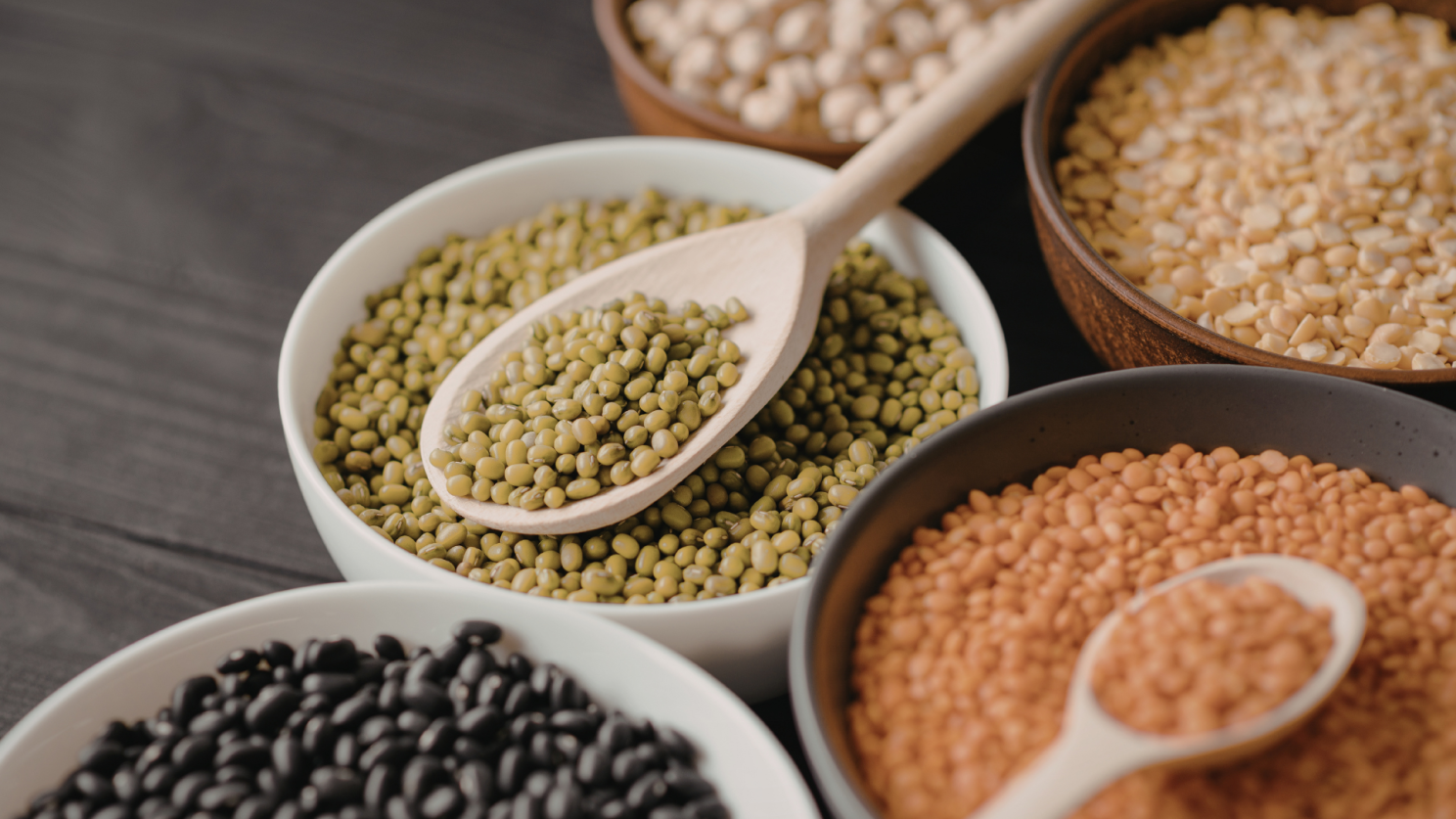
Aim for Diversity: Different fiber types feed different bacterial populations. Eating a variety of fiber sources (vegetables, fruits, legumes, whole grains, nuts, and seeds) supports a more diverse and resilient microbiome than relying on a single source.
Fiber may not be the most exciting nutrient to talk about, but it may be one of the most impactful to actually eat. It feeds the bacteria your gut depends on, stabilizes your blood sugar, supports healthy cholesterol, regulates your appetite, strengthens your immune system, and has been consistently linked to reduced risk of chronic disease.
The gap between what most people consume and what their body needs is significant, but closing that gap doesn't require a complete overhaul. It just requires a little more intention with what's already on your plate.

The assistant is still loading. Try again in a moment, or email hello@wellpro.ai.