← Go Back


Modern medicine tracks dozens of biomarkers to assess health: cholesterol panels, glucose levels, inflammatory markers, blood pressure, heart rate variability. But there's a measurement that very few ever consider tracking, one that can help predict long-term health outcomes: grip strength.
Surprisingly, multiple large-scale studies have shown that grip strength is one of the strongest predictors of all-cause mortality, cardiovascular events, hospitalization, and disability. Research tracking thousands of people has consistently found that weaker grip strength corresponds to higher mortality risk, independent of other health factors.
Why? What makes grip strength such a powerful health indicator isn't the hand muscles themselves. It's that grip strength reflects the integrated function of multiple systems that determine healthspan: neuromuscular coordination, skeletal muscle mass, systemic inflammation, nutritional adequacy, and circulatory health. Low grip strength may signal that these underlying systems are compromised. Understanding the mechanisms behind this connection reveals why maintaining grip strength matters far beyond being able to open jars or carry all of your groceries in one go.
When you squeeze your hand with maximum force, you're not just testing your hand muscles. You're testing the coordinated function of your entire neuromuscular system, your body's muscle mass, your metabolic health, and your circulatory capacity all at once.
Generating grip force requires your nervous system to transmit signals from your brain to the muscles in your hand and forearm. Those muscles need to contract with coordination and power. Your circulatory system must deliver oxygen and nutrients to those working muscles. And your body needs adequate protein, vitamins, and minerals to maintain the muscle tissue that produces the force. Grip strength integrates all of these factors into a single, measurable output.
This is why grip strength functions as what researchers call a "global marker" of health. It's not measuring one isolated system. It's capturing information about multiple physiological processes simultaneously. When any of these underlying systems decline, grip strength declines with them, often before other symptoms become apparent.
Strong grip requires efficient nerve signal transmission and coordinated muscle fiber recruitment. Your brain sends signals through your spinal cord and peripheral nerves to the motor units (a motor neuron and the muscle fibers it controls) in your hand and forearm. Those motor units must fire synchronously to generate maximum force.
When neuromuscular function declines due to aging, neuropathy (nerve damage), or neurological conditions, grip strength declines with it. Low grip strength can signal problems with nerve conduction, motor unit recruitment, or the neuromuscular junction (the connection point between nerves and muscles) before other neurological symptoms appear.
Grip strength strongly correlates with total body muscle mass. People with more muscle throughout their body tend to have stronger grips, and people with less muscle tend to have weaker grips. This relationship matters because skeletal muscle is metabolically protective, meaning it actively supports your body's ability to regulate blood sugar, manage inflammation, and maintain metabolic health.
Muscle tissue serves as a glucose disposal site, helping regulate blood sugar. It produces myokines (proteins secreted by muscle cells) that reduce inflammation and support metabolic health. It provides amino acid reserves during illness or stress. Low muscle mass, a condition called sarcopenia when related to aging, is associated with insulin resistance, increased inflammation, metabolic dysfunction, and higher mortality risk. In short, less muscle mass means your body is less equipped to maintain metabolic stability and respond to stress. Grip strength provides an accessible way to assess whether muscle mass is adequate or declining.
Chronic inflammation degrades muscle protein and impairs neuromuscular function. Inflammatory markers like C-reactive protein (CRP) and interleukin-6 (IL-6) are inversely correlated with grip strength. Higher inflammation corresponds to weaker grip.
This relationship works in both directions. Inflammation drives muscle breakdown and interferes with protein synthesis, reducing grip strength. But low muscle mass also increases inflammation because muscle produces anti-inflammatory signals. When muscle declines, inflammation increases, which further accelerates muscle loss. Grip strength can serve as an indirect marker of systemic inflammation levels.
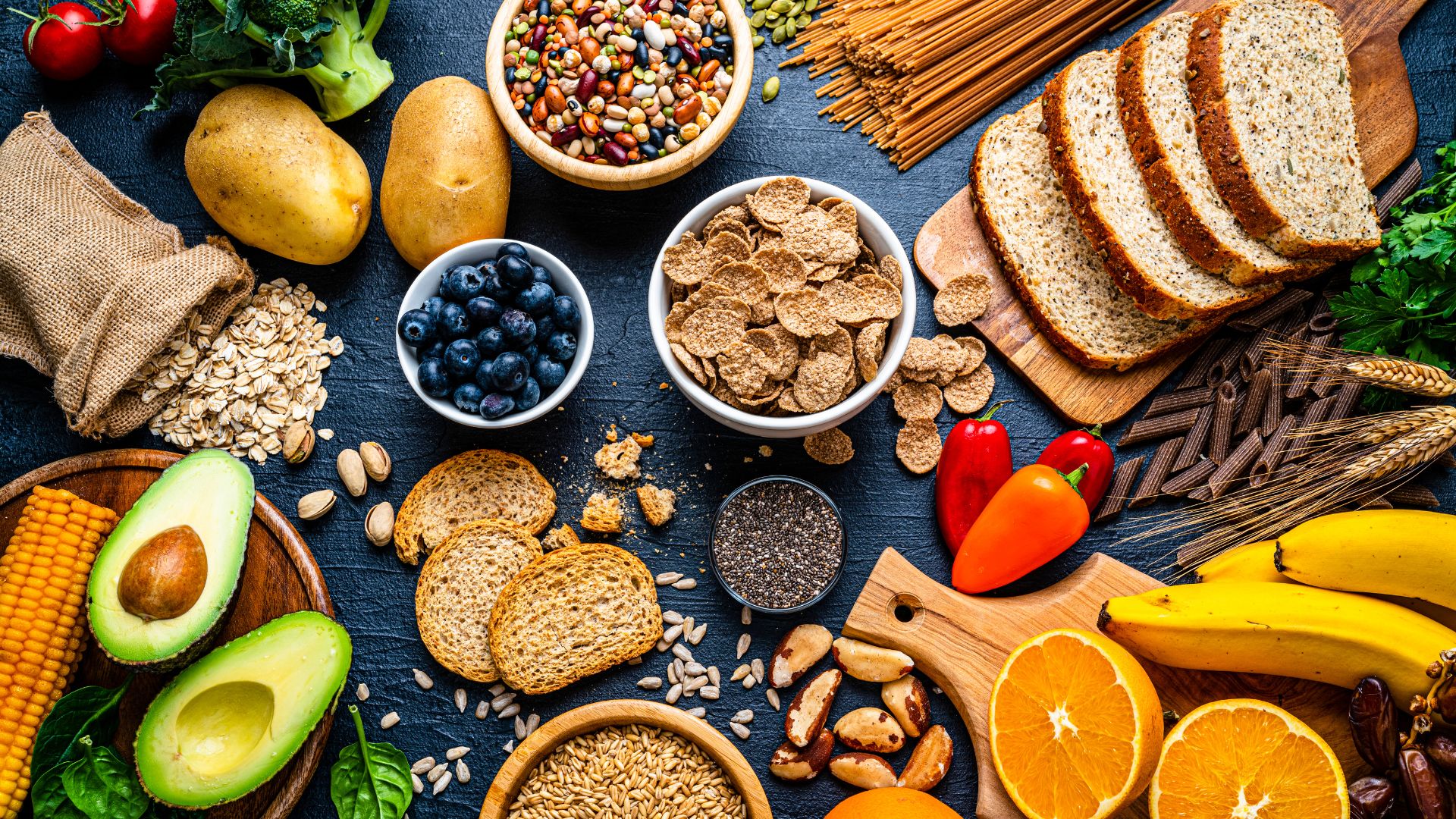
Maintaining muscle mass and neuromuscular function requires adequate nutrition. Grip strength depends on sufficient protein intake for muscle protein synthesis, vitamin D for muscle function, B vitamins (particularly B12) for nerve health, and minerals like magnesium and potassium for muscle contraction.
Nutritional deficiencies often show up as weakness before other symptoms appear. Low grip strength can indicate inadequate protein intake, vitamin deficiencies, or poor overall nutritional status. In older adults, weak grip is associated with malnutrition and predicts poor nutritional outcomes.
Your muscles need adequate blood flow to function optimally. Vascular health affects muscle perfusion (blood flow to tissues), oxygen delivery, and nutrient supply. Poor circulation reduces muscle function and grip strength.
Grip strength also reflects endothelial function (the health of blood vessel linings). The endothelium produces nitric oxide, which regulates blood flow and vascular health. Endothelial dysfunction can be an early marker of cardiovascular disease and is associated with reduced grip strength. This connection helps explain why grip strength can help predict cardiovascular events as well.
Large-scale research has consistently demonstrated grip strength's predictive power across diverse populations. Studies involving tens of thousands of participants have found associations between grip strength and all-cause mortality, cardiovascular disease, and other health outcomes. Some research suggests that grip strength may be as strong or stronger a predictor of mortality than traditional markers like blood pressure, though the relationships can vary across different populations.
It's important to note that most of this evidence is observational, meaning low grip strength signals higher risk rather than directly causing these outcomes. Grip strength serves as a marker of underlying physiological systems whose decline drives health risks.
Meta-analyses have confirmed these findings across diverse populations. Grip strength predicts not just mortality but also cardiovascular events, hospitalization rates, disability, and loss of independence. The relationship is dose-dependent: weaker grip corresponds to higher risk, and the association holds even after adjusting for age, sex, education, employment, physical activity, and other health factors.
Low grip strength has been linked in cohort studies with higher risk of cardiovascular disease, stroke, several chronic conditions, cognitive decline, and mortality. Low grip strength also predicts disability, loss of independence, and reduced quality of life. The breadth of these associations reflects the fact that grip strength is measuring fundamental systems that affect health across multiple domains.

Grip strength typically peaks in the third decade of life and begins declining around age 50. In sedentary individuals, the decline accelerates with age. By age 70, many people have lost 25-40% of their peak grip strength.
However, the decline is not inevitable at the rate most people experience. Individuals who maintain physical activity, strength training, and adequate protein intake throughout life experience much smaller declines in grip strength, which means they're preserving the underlying neuromuscular function, muscle mass, and metabolic health that grip strength reflects. The decline is largely a function of disuse and modifiable factors rather than chronological aging alone.
Grip strength is measured with a hand-held dynamometer (a device that measures force), typically reported in kilograms. Normal values vary by age and sex.
For men, grip strength above 50 kg is generally considered good for ages 20-34, above 45 kg for ages 35-54, and above 35 kg for ages 55-74. Grip strength below 27 kg at any age is associated with significantly elevated mortality risk.
For women, grip strength above 30 kg is considered good for ages 20-34, above 28 kg for ages 35-54, and above 23 kg for ages 55-74. Grip strength below 16 kg at any age indicates high risk.
These are general benchmarks. Individual variation exists based on body size, occupation, activity level, and genetics. What matters most is not comparing yourself to population averages but tracking your own grip strength over time. Declining grip strength can be a warning signal that underlying systems may need attention.
Grip strength is trainable at any age. Even older adults can improve grip strength significantly with appropriate training. The most effective approaches target both grip-specific strength and the underlying systems that grip strength reflects.

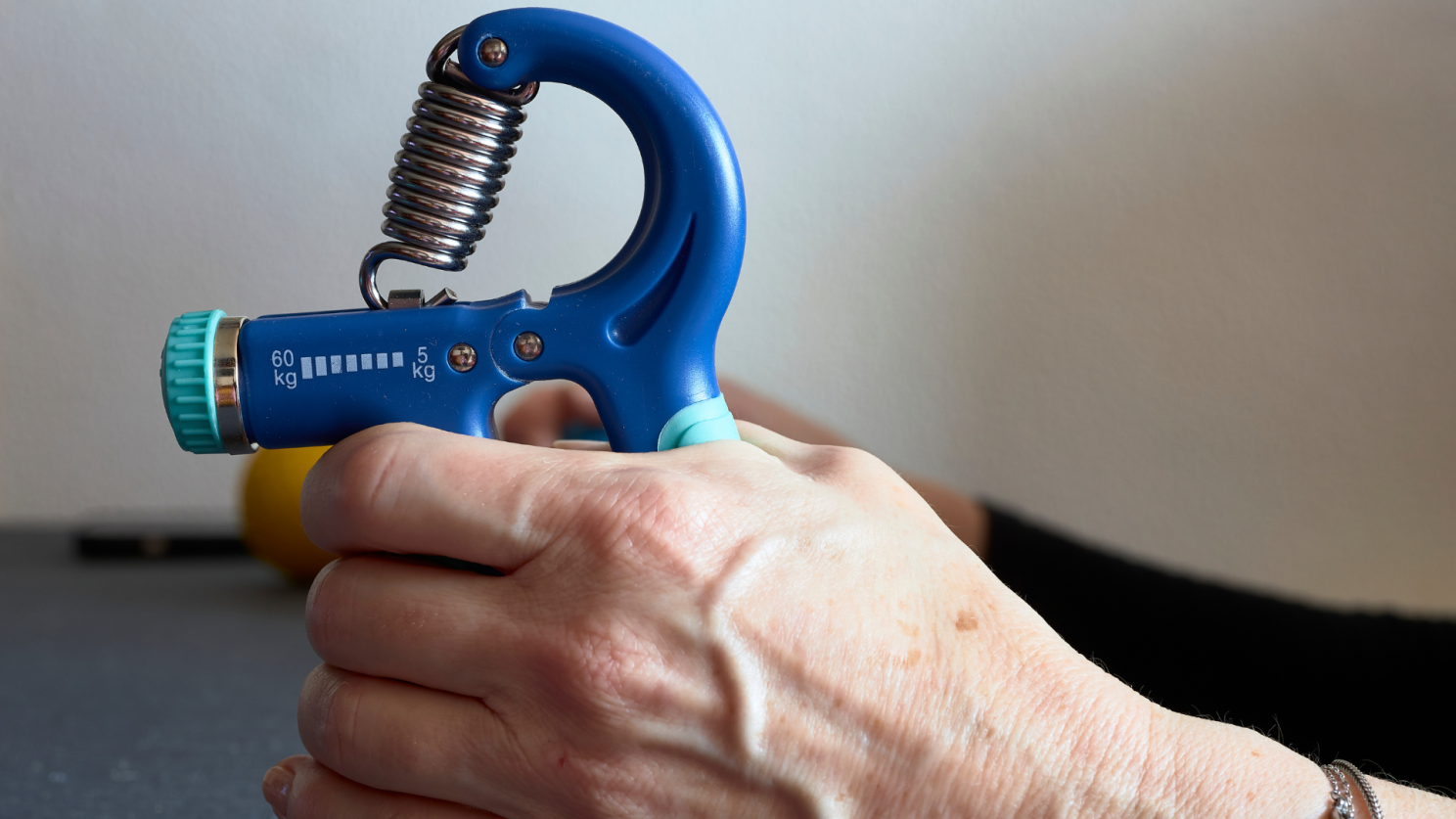
Direct Grip Training: Exercises like dead hangs (hanging from a pull-up bar), farmer carries (walking while holding heavy weights), and grip trainers (devices specifically designed to strengthen grip) directly challenge the muscles and nervous system involved in gripping.
Heavy Compound Lifting: Deadlifts, rows, and pull-ups require strong grip and stimulate the neuromuscular system. Training these movements without straps (at least initially) forces your grip to adapt.
Overall Resistance Training: Full-body strength training preserves skeletal muscle, reduces inflammation, and supports metabolic health. Maintaining muscle mass throughout your body helps maintain grip strength.
Adequate Protein Intake: Research suggests 1.6-2.2 grams of protein per kilogram of body weight (approximately 0.7-1.0 grams per pound) supports muscle health, particularly in older adults or those training regularly.
Nutritional Adequacy: Vitamin D deficiency impairs muscle function, so maintaining adequate vitamin D levels supports grip strength. B vitamins, particularly B12, support nerve health. Magnesium and potassium are necessary for muscle contraction.
Remember: The goal isn't just to strengthen your hands. It's to maintain the neuromuscular integrity, muscle mass, low inflammation, good nutrition, and vascular health that grip strength reflects. Improving these underlying systems improves grip strength and healthspan simultaneously.
Grip strength is sometimes dismissed as relevant only to athletes, manual laborers, or the elderly. This misses the point. Grip strength is a window into systems that matter for everyone at every age.
You need functional neuromuscular systems to move efficiently, adequate muscle mass to maintain metabolic health, low inflammation to prevent disease, good nutrition to support cellular function, and healthy circulation to deliver oxygen and nutrients. Grip strength simply provides an accessible, measurable way to assess whether these fundamental systems are healthy or declining.
Testing your grip strength doesn't require expensive equipment or a lab. A simple hand-held dynamometer provides objective measurement, but even informal tests (how long can you hang from a bar, how heavy a load can you carry) provide useful information. The key is tracking changes over time. Declining grip strength is an early warning that underlying systems need attention, often before other symptoms appear. Maintaining grip strength is about preserving the neuromuscular function, muscle mass, metabolic health, nutritional status, and circulatory capacity that determine how long and how well you live. Your grip strength is simply where all of it shows up first.

The assistant is still loading. Try again in a moment, or email hello@wellpro.ai.