← Go Back


Right now, your brain is processing hundreds of signals from inside your body: your heart rate, your blood pressure, your blood sugar levels, the tension in your muscles, the pace of your breathing, the state of your digestion. You're not consciously aware of most of them. But your brain is, and it's using that information to shape how you feel, what you want, and how you respond to the world around you.
This process is called interoception, and it may be one of the most important senses you've never heard of.
Interoception is your brain's ability to monitor and interpret your body's internal state. It's what lets you feel your own heartbeat without touching your chest. It's what tells you you're hungry before your stomach growls. It's what converts a racing heart into the conscious experience of anxiety or excitement. And when this sense is impaired, the consequences go far beyond missing a hunger cue. Research has linked poor interoception to anxiety disorders, depression, eating disorders, chronic pain, emotional dysregulation, and difficulty making decisions. Not because these are psychological failures, but because the brain is losing access to the internal data it needs to function properly.
Everyone has experienced a "gut feeling." That sense that something is wrong before you can explain why. A tightness in your chest before a hard conversation. A wave of calm when you know a decision is right. Most people treat these as vague instincts. But they're not vague at all. They're the product of interoception continuously monitoring every signal inside your body and feeding that information directly to your brain. That gut feeling isn't mystical; it's your interoceptive system detecting a physiological change before your conscious mind catches up.
Your body contains a vast network of sensory receptors embedded in your organs, muscles, blood vessels, and skin. These receptors (called interoceptors) continuously detect internal changes: shifts in heart rate, blood pressure fluctuations, changes in blood chemistry, muscle tension, core temperature, digestive activity, and more.
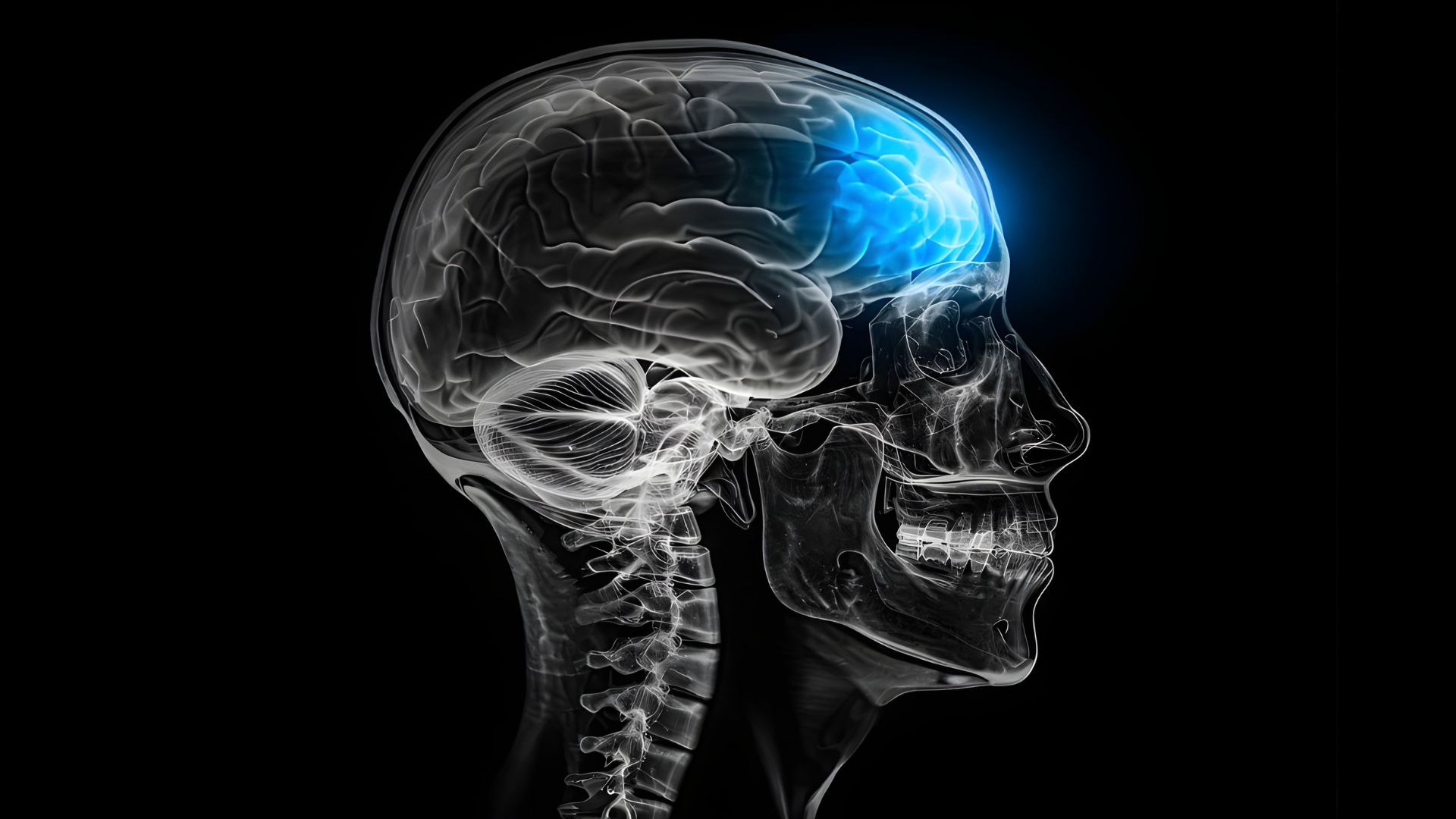
These signals travel primarily through a nerve pathway called the lamina I spinothalamocortical pathway, which carries information from your body's tissues up through your spinal cord to a brain region called the insula. The insula can simply be described as a region of cortex tucked deep within the folds of your brain, where raw body signals are transformed into conscious awareness and emotional experience.
But the insula doesn't work alone. It communicates with the anterior cingulate cortex (involved in emotional processing and decision-making), the prefrontal cortex (responsible for rational thought and self-regulation), and the amygdala (your brain's threat detection center). Together, these regions take a physical signal like an increased heart rate and give it meaning: is this excitement, fear, exercise, or illness?
This is why the same physical sensation can produce entirely different emotional experiences depending on context. For example, a racing heart at a concert can feel like excitement, whereas a racing heart during a work presentation might feel like anxiety and impending doom. The physical signal is essentially the same: your heart is beating faster and your body is in a state of heightened arousal either way. What changes is how your interoceptive system interprets it.
Interoception isn't just about detecting hunger or noticing your heartbeat. It plays a foundational role in several critical areas of daily functioning.
Your emotions don't originate as abstract psychological experiences. They're built on physical sensations that your brain interprets and labels. Anxiety often begins as shallow breathing, increased heart rate, and muscle tension before you consciously feel "anxious." On the other end, a sense of calm typically begins as slow, deep breathing and a steady heart rate before you consciously feel "relaxed."
People with strong interoceptive awareness can often detect these early physical signals and intervene before the emotion escalates. They notice tension building in their shoulders and have the awareness to take a breath before stress takes over. They feel their heart rate climbing and recognize it as a signal to pause rather than react.
People with poor interoceptive awareness often miss these early signals entirely. Emotions seem to appear out of nowhere: sudden anxiety, unexpected anger, overwhelming fatigue. The signals were there all along, but the brain wasn't picking them up early enough to respond proactively.

Research suggests that interoceptive accuracy (how well you can detect your own body's signals) is associated with differences in decision quality. Studies have found that people who can more accurately detect their own heartbeat tend to perform better on tasks requiring intuitive judgment.
This makes biological sense. Your body processes environmental information faster than your conscious mind. The "gut feeling" that something is off is often your interoceptive system detecting a physiological stress response before your rational brain has finished analyzing the situation. People with better interoception are more likely to benefit from this early warning system. Those with poor interoception may override or miss it entirely.
Interoception directly controls your ability to detect hunger and fullness accurately. People with strong interoceptive awareness tend to eat when genuinely hungry and stop when satisfied. People with impaired interoception may struggle to distinguish hunger from boredom, stress, or fatigue. They may eat past fullness because they can't detect the satiety signal, or ignore hunger until it becomes overwhelming, leading to cycles of undereating and overeating.
This connection is one reason why interoceptive dysfunction has been linked to disordered eating patterns. In this scenario, the issue isn't willpower. It's that the internal signal isn't being received clearly.
Your body accumulates physical stress over time, often without any obvious trigger, and interoceptive awareness can help you detect it early. It's what helps you notice when your breathing has become shallow during a long work session, when your neck and jaw have been clenching for hours, or when your resting heart rate has been elevated all day without a clear reason. These aren't emotional events. They're physiological patterns that build quietly in the background.
This early detection creates a window for intervention: a deep breath, a change in posture, a moment of pause. Without interoceptive awareness, stress can accumulate undetected until it manifests as a headache, insomnia, irritability, or burnout that seems to come out of nowhere.
Interoception modulates how you experience pain. People with heightened interoceptive sensitivity may perceive pain more intensely because their brain is amplifying internal signals. People with diminished interoception may ignore pain signals until an injury or condition has progressed significantly.
Neither extreme is ideal. Healthy interoception involves accurate detection without amplification. Meaning you ideally want your body to register pain clearly enough that you can respond appropriately, without overreacting to minor signals or missing serious ones until it's too late.
Several factors can dull or distort your interoceptive accuracy over time.
Chronic Stress: Sustained stress can desensitize the interoceptive system. When your body is in a constant state of heightened arousal, the brain may begin filtering out internal signals to reduce the noise, which can make it harder to detect subtle changes in your body's state.
Sedentary Lifestyle: Physical inactivity reduces the variety and intensity of internal signals your brain receives. Movement generates a rich stream of interoceptive data (heart rate changes, breathing shifts, muscle engagement) that keeps the system calibrated. Without regular movement, the system becomes less sensitive over time.
Chronic Pain: Persistent pain can distort interoceptive processing, causing the brain to either amplify all internal signals (hypervigilance) or suppress them (dissociation). Both responses impair accurate body awareness.
Sleep Deprivation: Poor sleep disrupts the brain regions involved in interoceptive processing, particularly the insula (the deep brain region where body signals are transformed into conscious awareness) and the anterior cingulate cortex (the region involved in emotional processing and decision-making). Sleep-deprived individuals tend to show reduced interoceptive accuracy and impaired emotional regulation, which may be directly connected.

Trauma: Traumatic experiences (particularly those involving physical threat) can fundamentally alter how the brain processes body signals. Some trauma survivors develop heightened interoceptive sensitivity (interpreting normal body signals as danger), while others disconnect from body awareness entirely as a protective mechanism.
Substance Use: Alcohol, certain medications, and other substances that alter nervous system function can dull interoceptive sensitivity over time, reducing your brain's ability to accurately read internal signals.
Interoception is not fixed. Like any sensory system, it can be sharpened through deliberate practice. Research supports several beneficial approaches.
Mindful Breathing and Body Scanning: Focusing on the physical sensation of breath entering and leaving your body, the rise and fall of your chest, the temperature of air in your nostrils, the expansion of your ribcage, can help train your brain to attend to internal signals. Breathwork also creates an ideal opportunity to practice body scanning, systematically directing your attention through different body parts and noticing whatever sensations are present: warmth, tension, tingling, pressure, or nothing at all. This is a chance to tune into the subtle details you typically miss during everyday movement, like the feeling in your fingertips, the weight of your feet on the ground, or the temperature of your skin. These small observations strengthen the neural pathways between your body's receptors and your brain's awareness centers. The practice doesn't require you to change anything. Just notice. Even 10 minutes of focused breathing combined with body scanning daily has been shown to improve interoceptive accuracy over time.

Heart Rate Detection Practice: Periodically trying to feel your own heartbeat without touching your pulse trains one of the most studied aspects of interoceptive awareness. Research uses heartbeat detection tasks as a primary measure of interoceptive accuracy, and the ability improves with practice.
Regular Physical Exercise: Movement generates a flood of interoceptive signals: changes in heart rate, breathing, temperature, muscle tension, and fatigue. Regular exercise keeps the interoceptive system active and calibrated. Activities that involve body awareness, like yoga, tai chi, and swimming, may also be particularly effective.

Reducing Numbing Behaviors: Habits that dull internal awareness, such as excessive screen time, constant background noise, chronic overeating, or substance use, reduce the brain's opportunity to practice attending to internal signals. Periodically removing these inputs creates space for interoceptive signals to come through more clearly.
Interoceptive ability isn't static. It develops through childhood, can be strengthened or impaired through adulthood, and tends to shift with aging.
Children are still developing interoceptive awareness, which is why they often struggle to identify emotions, recognize when they're overstimulated, or understand when they need rest. Teaching children to name body sensations ("my stomach feels tight," "my chest feels heavy") may help support interoceptive development and emotional regulation skills that carry into adulthood.
In older adults, interoceptive accuracy can decline, particularly for signals related to thirst, temperature regulation, and pain. This may contribute to delayed recognition of health problems in aging populations. However, like other neural capacities, interoception remains trainable at any age with consistent practice.
Interoception connects your physical body to your emotional experience, your decision-making, your self-regulation, and your overall wellbeing in ways that most people never consider. It's the sense that tells you when something is wrong before you can even explain why, when stress is building, and when you're safe.
Improving interoceptive awareness isn't about becoming hypervigilant about every sensation. It's about developing a clearer, more accurate connection between what your body is communicating and what your brain does with that information. The practices that strengthen interoception are simple, free, and accessible at any age. Your body is constantly sending signals. The important part is whether you're able to hear them!

The assistant is still loading. Try again in a moment, or email hello@wellpro.ai.