← Go Back


If you've spent any time around people who are serious about fitness, you've probably heard it. Someone weighing their food, logging every meal, talking about whether they've "hit their macros" for the day. Maybe it's a friend at the gym, or someone dialing in their diet before a competition or trying to cut weight. But for all the talk about them, most people couldn't actually explain what a macronutrient is, how it differs from a micronutrient, or why both matter. And that gap matters, because while the fitness world obsesses over macros, it tends to quietly ignore micros, even though your body depends on both. Understanding how these two categories work, and why the balance between them matters, clears up a lot about what eating well really means.
What Macronutrients Actually Are
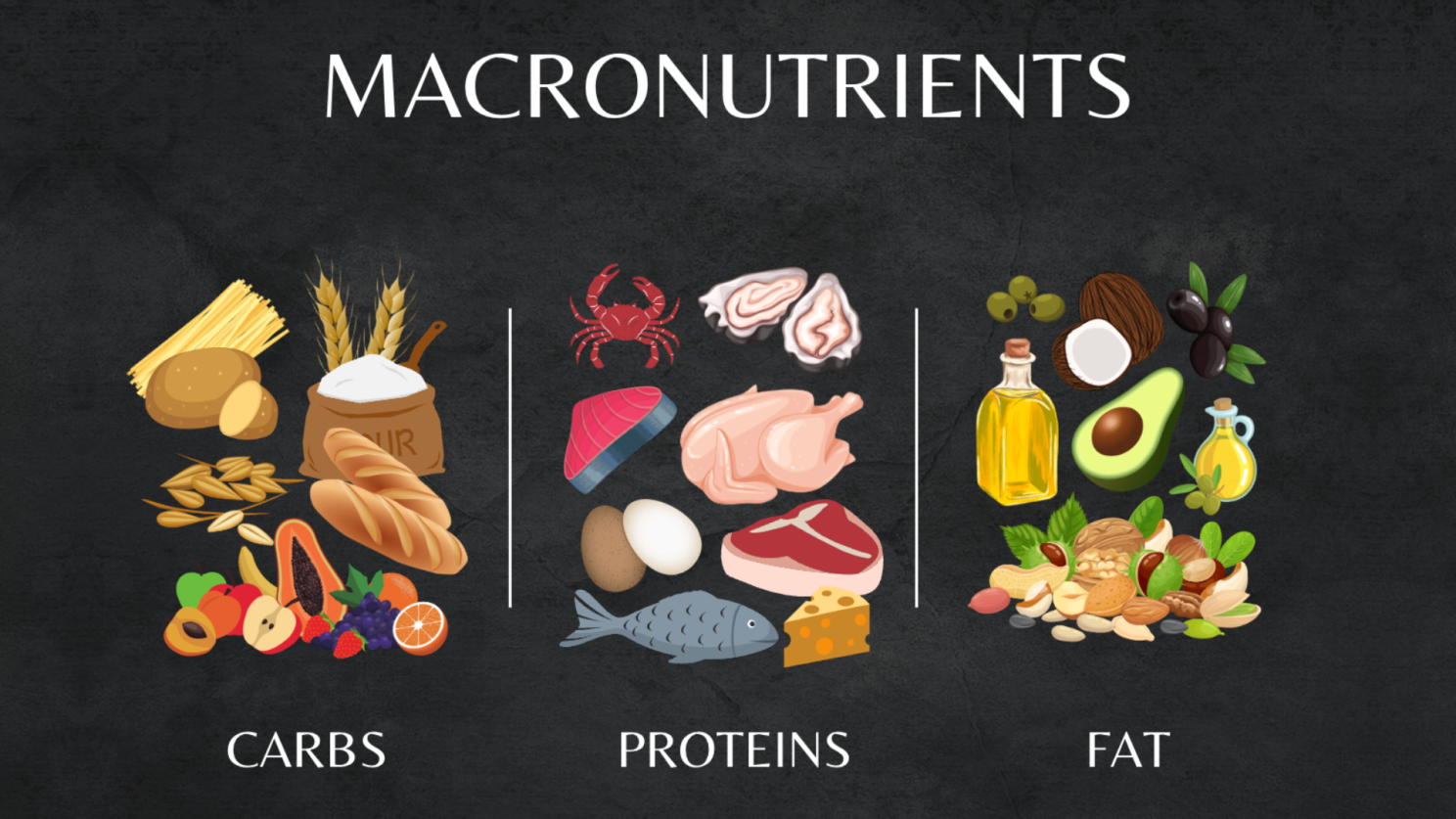
Macronutrients are the nutrients your body needs in large amounts, and they're the ones that provide energy. There are three of them: protein, carbohydrates, and fat. Because you need them in such significant quantities, they're measured in grams, and they account for essentially all the calories you eat.
Each one plays a distinct role. Protein provides the building blocks (amino acids) for muscle, tissue repair, enzymes, and countless other structures. Carbohydrates are the body's preferred quick energy source, fueling everything from your brain to your workouts. Fat is a dense source of energy, and it's also essential for hormone production, absorbing certain vitamins, and protecting your organs.
When someone talks about "tracking their macros," this is what they mean: managing how many grams of protein, carbs, and fat they eat, usually in service of a goal like building muscle, losing fat, or fueling performance. And for those goals, macros genuinely matter. Getting enough protein, in particular, is one of the more evidence-backed things you can do for body composition and healthy aging.
What Micronutrients Actually Are
Micronutrients are the nutrients your body needs in much smaller amounts, and they're the ones almost no one tracks. They're the vitamins and minerals, and because you need them in tiny quantities, they're measured in milligrams or even micrograms rather than grams.
Micronutrients don't provide energy themselves. Instead, they make it possible for your body to use the energy from macronutrients and to run the thousands of processes that keep you alive and functioning. Vitamins like the B group help convert food into usable energy. Minerals like magnesium are involved in hundreds of enzyme reactions. Iron carries oxygen in your blood. Calcium and vitamin D maintain your bones. Zinc supports your immune system. The list goes on, and the reach is enormous.
Here's the key point: you can't see or feel most micronutrients doing their job, which is exactly why they're so easy to overlook. There's no "micro tracker" on the average fitness app, and no gym conversation about hitting your magnesium target. But a shortfall in these nutrients can quietly affect your energy, mood, immunity, and long-term health.
The Crucial Difference (and Why It Matters)
The simplest way to hold the distinction is this: macronutrients are the fuel, and micronutrients are what allow your body to burn and use that fuel properly. One provides the raw energy and building materials. The other provides the tools that make everything work.
This is why focusing only on macros is an incomplete way to think about nutrition. You could, in theory, hit your protein, carb, and fat targets perfectly using low-quality, highly processed foods, and still fall short on the vitamins and minerals your body needs. Your macros would look great on paper while your micronutrient intake quietly suffered.
And this isn't just a hypothetical. Large national surveys have found that many people are, in a sense, overfed but undernourished, consuming enough or even excess calories while falling short on key micronutrients. A substantial share of the population doesn't meet the recommended intake for nutrients like vitamin D, magnesium, calcium, and others. In other words, plenty of people are hitting their energy needs while missing the micronutrients that let that energy actually serve them.
Why You Need Both in Balance
Macros and micros aren't competing priorities. They're partners, and they depend on each other.
Consider what happens when you eat a meal. The macronutrients supply energy and raw materials, but it's the micronutrients that act as the cofactors and helpers that turn that food into usable fuel, build and repair tissue, and keep your systems running. Without adequate micronutrients, your body can't fully capitalize on even a perfect macronutrient intake. And without adequate macronutrients, you lack the energy and structural material in the first place. Each is incomplete without the other.
This is why the goal isn't to obsess over one category at the expense of the other. It's to make sure both are covered, ideally through the quality of the food you eat rather than through tracking every last nutrient.
How to Cover Both Without Tracking Everything
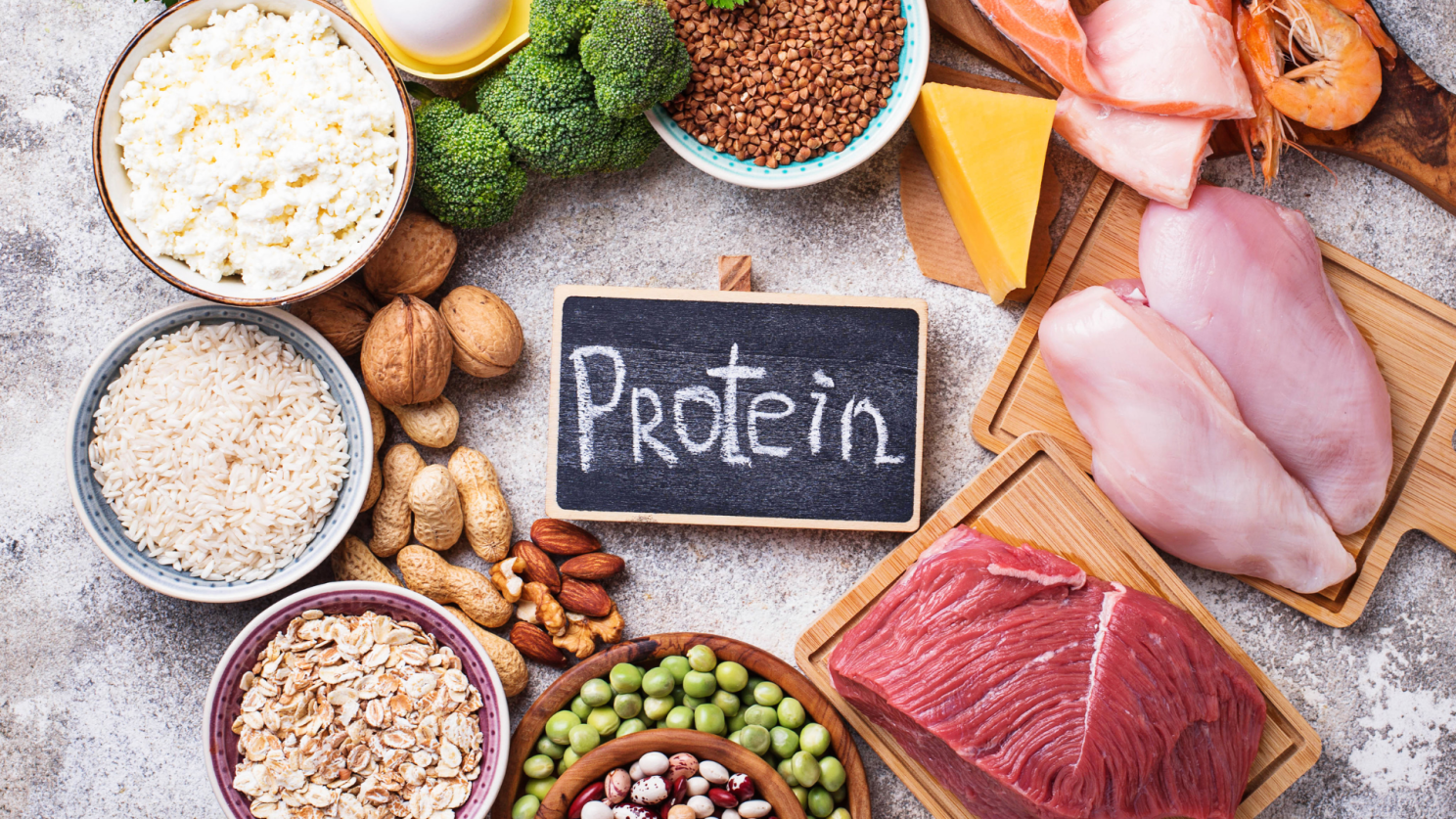
The good news is that you don't need to count grams of protein and milligrams of magnesium to eat well. For most people, the single most effective strategy is simple: build your diet around nutrient-dense whole foods. When you do that, the micronutrients tend to take care of themselves while your macronutrients fall into a reasonable range. A few practical principles help:
Eating Well Means Seeing the Whole Picture
Most of the time, the reason macros get all the attention is that they're easy to count and tied to visible goals like muscle and weight. Micros are harder to track, their effects are quiet and long-term, and no app nudges you to hit them, which is exactly why they're so easy to neglect. But both are essential, and thinking about only one is like fueling a car while ignoring whether the engine has oil.
You don't need to become a full-time nutrient tracker to get this right. If anything, the takeaway is a relief: focus on the quality and variety of what you eat, get enough protein, lean on whole foods, and both your macros and your micros will largely take care of themselves. Understanding the difference between these two categories doesn't just make you more informed. It helps you step back and see what eating well actually means, fueling your body and giving it everything it needs to use that fuel well!

The assistant is still loading. Try again in a moment, or email hello@wellpro.ai.