← Go Back


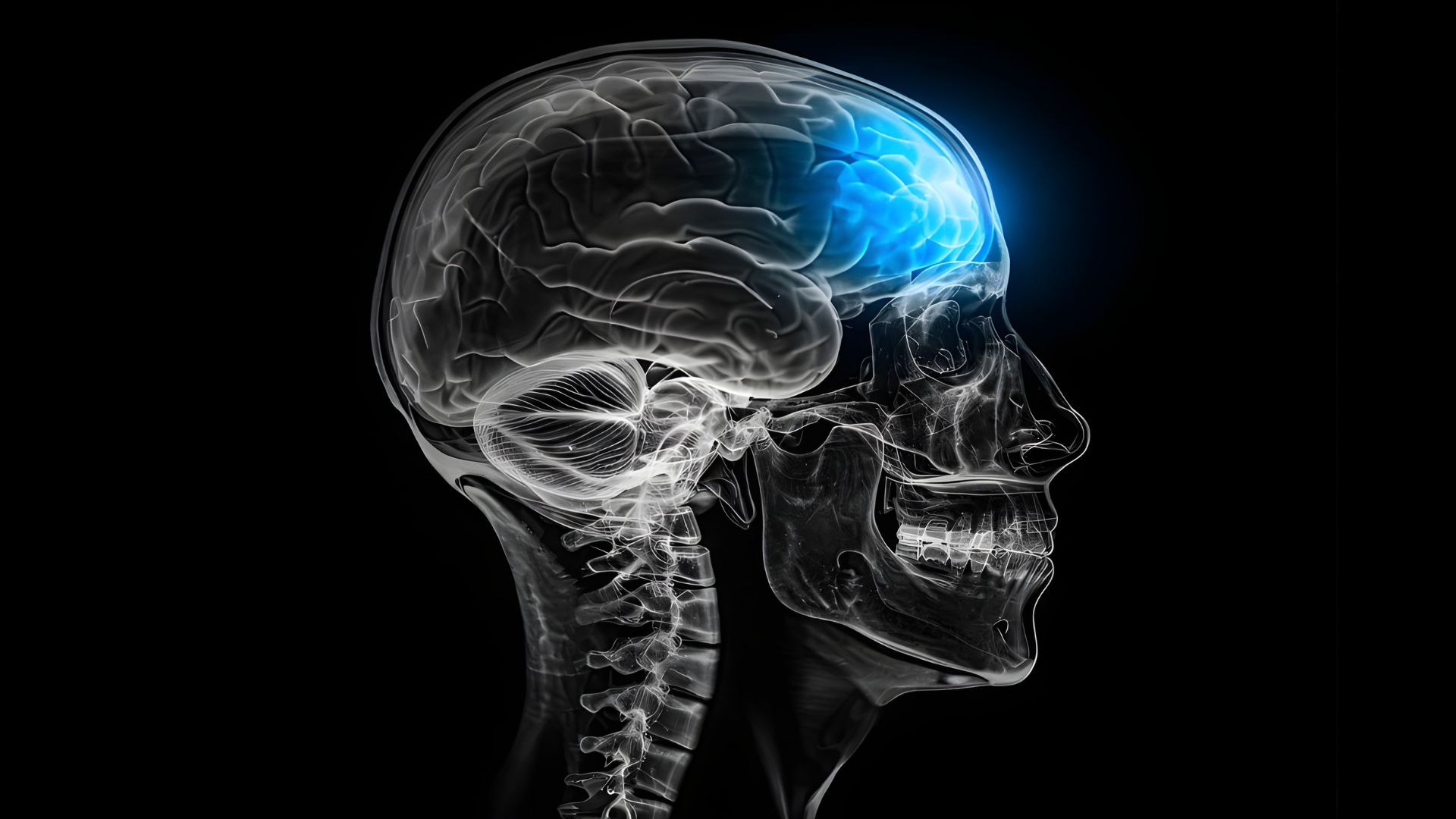
Ever wake up with a dry mouth and feeling unrested at the end of the night? The answer might be simpler than you think – it could be your nighttime breathing habits.
The Science Behind the Tape: A 2022 study revealed some eye-opening results about mouth taping during sleep:
1. Sleep apnea events dropped by nearly half (47% reduction in the apnea-hypopnea index [AHI])
2. Snoring decreased dramatically (from 303.8 to 121.1 events/hour)
3. 65% of participants (13 out of 20) saw significant improvements
4. Oxygen levels during sleep notably improved (including better oxygen desaturation index and lowest oxygen saturation)
Why It Works: When you tape your mouth, your body is guided to breathe through your nose, which:
Getting Started Safely:
It may not be for everyone, but this simple and proven method may just be your ticket to better sleep!
Want to learn more? Check out:
More Info: At WellPro, we’re building an AI-native clinical platform purpose-built to scale the next era of care: personalized, preventative, and data-driven. Our thesis is simple but bold; the future of care delivery will be patient-centered, proactive, longitudinal, and closed-loop. That demands infrastructure that can ingest multi-modal health data, generate insight, drive action, and continuously optimize based on outcomes.
We believe Agentic AI is central to making this vision real. Not just chat interfaces or “co-pilots,” but deeply embedded, goal-driven AI agents that operate within the clinical system itself, helping surface insights at the point of care, automate routine tasks, and ensure closed-loop follow-through on interventions.
The assistant is still loading. Try again in a moment, or email hello@wellpro.ai.