← Go Back


Maybe you've noticed your recovery isn't what it used to be. In your late teens and early 20s, you could work out hard, stay up late, eat whatever you wanted, and still wake up energized. By your 40s, even minor activities can leave you drained for days. What changed? One major factor: NAD+.
This molecule powers your cells' ability to produce energy, repair damage, and resist aging. Between your late teens and 60s, NAD+ levels have been shown to typically drop by approximately 50%. Lower NAD+ means your mitochondria produce less energy, your DNA repairs more slowly, and your longevity genes get less activation. The result: fatigue, slower recovery, metabolic dysfunction (impaired ability to process glucose and regulate energy), and accelerated aging.
Here's the good news though: you can restore NAD+ levels through specific, evidence-based lifestyle strategies.
Understanding NAD+ reveals why some people maintain vitality into old age while others decline rapidly. They're not separate systems working independently. They're deeply connected through this single molecule that responds to how you move, sleep, eat, and live.
NAD+ (nicotinamide adenine dinucleotide) is a coenzyme found in every cell of your body. Think of NAD+ as your cellular energy currency. It's involved in more than 500 essential biochemical reactions (everything from energy production to DNA repair to inflammation control). Without adequate NAD+, cells can't function properly.
Energy Production: NAD+ is essential for converting the food you eat into cellular energy (ATP). Inside your mitochondria, NAD+ facilitates the reactions that extract energy from nutrients. When NAD+ levels are adequate, your mitochondria efficiently produce the ATP that powers everything from muscle contractions to brain function. When NAD+ declines, energy production starts to fall apart.
DNA Repair: Your DNA accumulates damage throughout the day from oxidative stress, environmental toxins, and normal metabolic processes. NAD+ is required for enzymes called PARPs (specialized proteins that detect and repair damaged DNA) to fix this damage. Without sufficient NAD+, damaged DNA accumulates, contributing to cellular dysfunction and aging.
Sirtuin Activation: NAD+ activates a family of proteins called sirtuins, often referred to as "longevity genes." Sirtuins regulate metabolism, reduce inflammation, improve stress resistance, and can influence lifespan. These proteins require NAD+ to function. When NAD+ is low, sirtuins remain largely inactive which can reduce your cellular defense mechanisms against aging.
Cellular Communication: NAD+ also plays a role in cellular signaling and communication, helping cells respond appropriately to stress and maintain proper function across different systems.
The amount of NAD+ your cells have access to profoundly affects multiple aspects of your overall health and function.
Higher NAD+ levels support efficient mitochondrial function and ATP production. In short, this means more energy available for daily activities, exercise, and recovery. When NAD+ is abundant, you experience better energy levels, improved exercise performance, and faster recovery. When NAD+ declines, mitochondrial function deteriorates, leading to chronic fatigue, reduced exercise capacity, and slower recovery times.
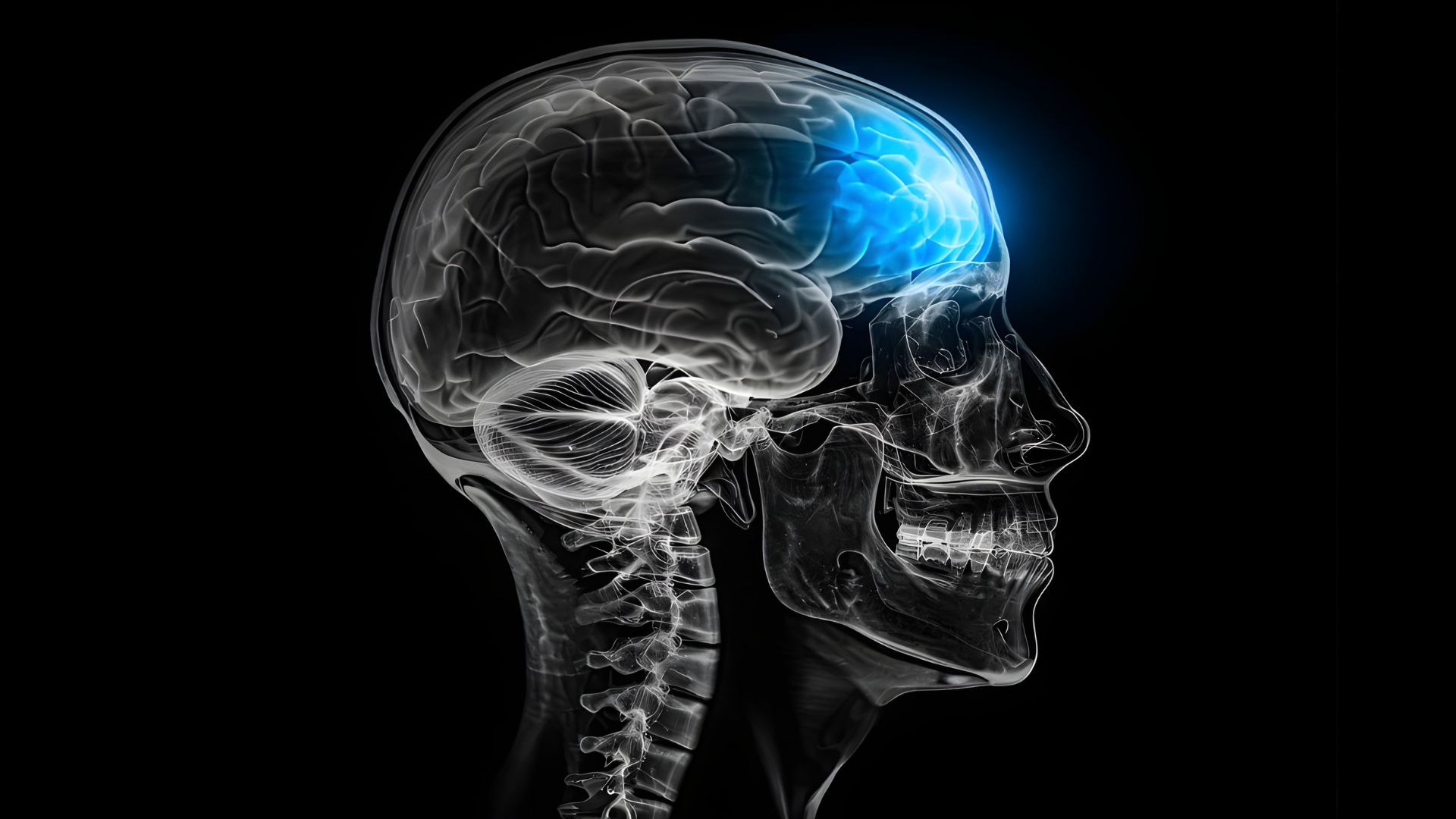
The brain is incredibly energy demanding, consuming roughly 20% of your body's total energy despite representing only 2% of body weight. Brain cells require substantial NAD+ for energy production and to maintain the cellular processes that support cognition. Research suggests that adequate NAD+ levels are associated with better cognitive performance, while declining NAD+ may contribute to age-related cognitive decline.
NAD+ plays a central role in regulating metabolism. It's involved in how your body processes glucose, burns fat, and maintains metabolic flexibility. Lower NAD+ levels are associated with metabolic dysfunction, insulin resistance, and increased disease risk. Maintaining healthy NAD+ supports metabolic health and may help reduce risk of metabolic diseases.
As NAD+ declines, your cells' ability to repair DNA damage diminishes. Accumulated DNA damage is a hallmark of aging and is associated with increased disease risk. Maintaining adequate NAD+ supports the DNA repair processes that help preserve cellular function and slow biological aging.
NAD+ production tends to naturally decrease with age, but the rate of decline varies dramatically based on lifestyle factors.
Aging: NAD+ levels tend to peak in your late teens and early 20s, then gradually start to decline. By age 40, levels may have dropped by roughly 40%, and by age 60, they've declined approximately 50% or more. This decline affects every system in your body, contributing to reduced energy, slower recovery, and increased vulnerability to age-related diseases.
Chronic Stress: Prolonged stress accelerates NAD+ depletion. Stress activates pathways that consume NAD+ for DNA repair and cellular defense, leaving less available for energy production and normal cellular function.
Poor Sleep: Sleep deprivation reduces NAD+ levels and can impair the cellular processes that regenerate NAD+ overnight. Quality sleep is necessary for maintaining healthy NAD+ levels.
Overeating: Excessive caloric intake, particularly from processed foods and refined carbohydrates, can suppress NAD+ production and accelerate its depletion through increased metabolic stress.
Excessive Alcohol: Alcohol metabolism requires NAD+, and heavy drinking depletes NAD+ stores. This is one reason recovery from alcohol becomes harder with age. Lower baseline NAD+ levels mean less available for detoxification.
DNA Damage: As DNA damage accumulates, cells consume more NAD+ for repair processes, creating a cycle where declining NAD+ leads to more damage, which further depletes NAD+.

The remarkable aspect of NAD+ is how responsive it is to lifestyle interventions.
Exercise is one of the most powerful natural stimuli for NAD+ production. Both aerobic exercise and resistance training increase NAD+ levels. However, aerobic exercise and high-intensity interval training (HIIT) may be particularly effective.
Physical activity increases energy demand, which signals your cells to produce more NAD+ to meet that demand. Regular exercise also improves mitochondrial function and biogenesis (the creation of new mitochondria), building more power plants that use and produce NAD+.
Studies show that consistent exercise can significantly increase NAD+ levels, contributing to improved energy, better metabolic health, and enhanced cellular function.
Caloric restriction and intermittent fasting have been shown to increase NAD+ levels. When you fast, your body shifts into conservation mode, activating pathways that boost NAD+ production and enhance cellular maintenance.
Even time-restricted eating (limiting your eating window to 8 to 10 hours per day) may support healthy NAD+ levels by allowing periods of cellular repair and regeneration.
Prioritizing 7 to 9 hours of quality sleep supports NAD+ regeneration. During sleep, your body performs cellular maintenance and repair processes that depend on adequate NAD+. Sleep also regulates the circadian rhythm, which influences NAD+ metabolism.
Sleep consistency matters as much as duration. Going to bed and waking at consistent times helps regulate the biological processes that support NAD+ production.
Cold exposure, such as cold showers or ice baths, has been shown to increase NAD+ levels. The metabolic stress from cold triggers adaptive responses that can enhance NAD+ production. Start gradually and build tolerance over time.
Regular sauna use has been associated with increased NAD+ levels. The heat stress from sauna sessions appears to trigger cellular stress responses that may support NAD+ production. Studies suggest that frequent sauna use (4 to 7 times per week) may provide metabolic and longevity benefits.

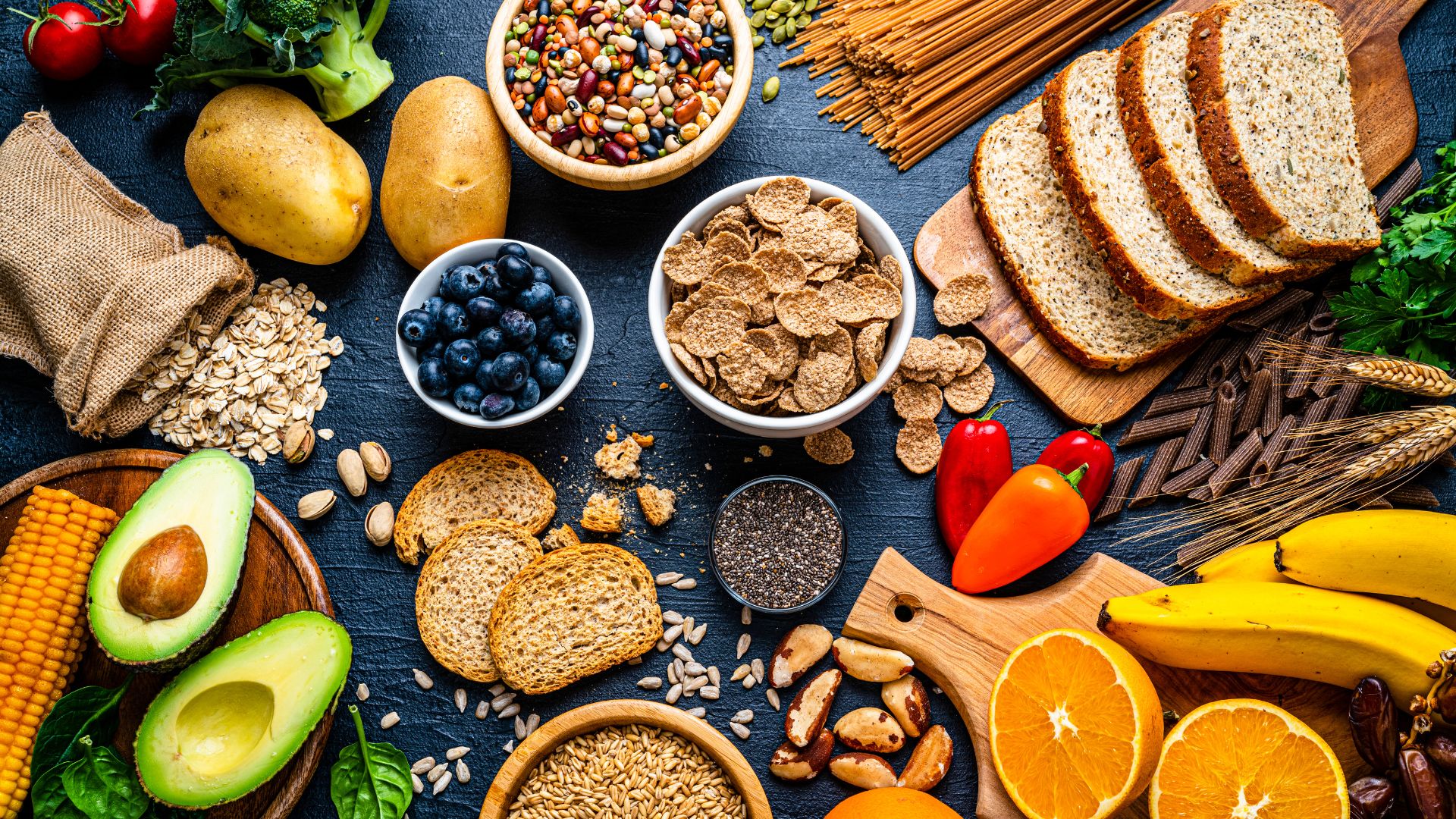
Your body can synthesize NAD+ from dietary precursors, particularly niacin (vitamin B3). Foods rich in niacin include:
Tryptophan (an amino acid found in eggs, poultry, and salmon) can also be converted into NAD+ through a longer metabolic pathway.
While dietary sources provide some NAD+ precursors, they're typically insufficient to dramatically raise NAD+ levels on their own. They work best as part of a comprehensive strategy that includes exercise, fasting, and other interventions.
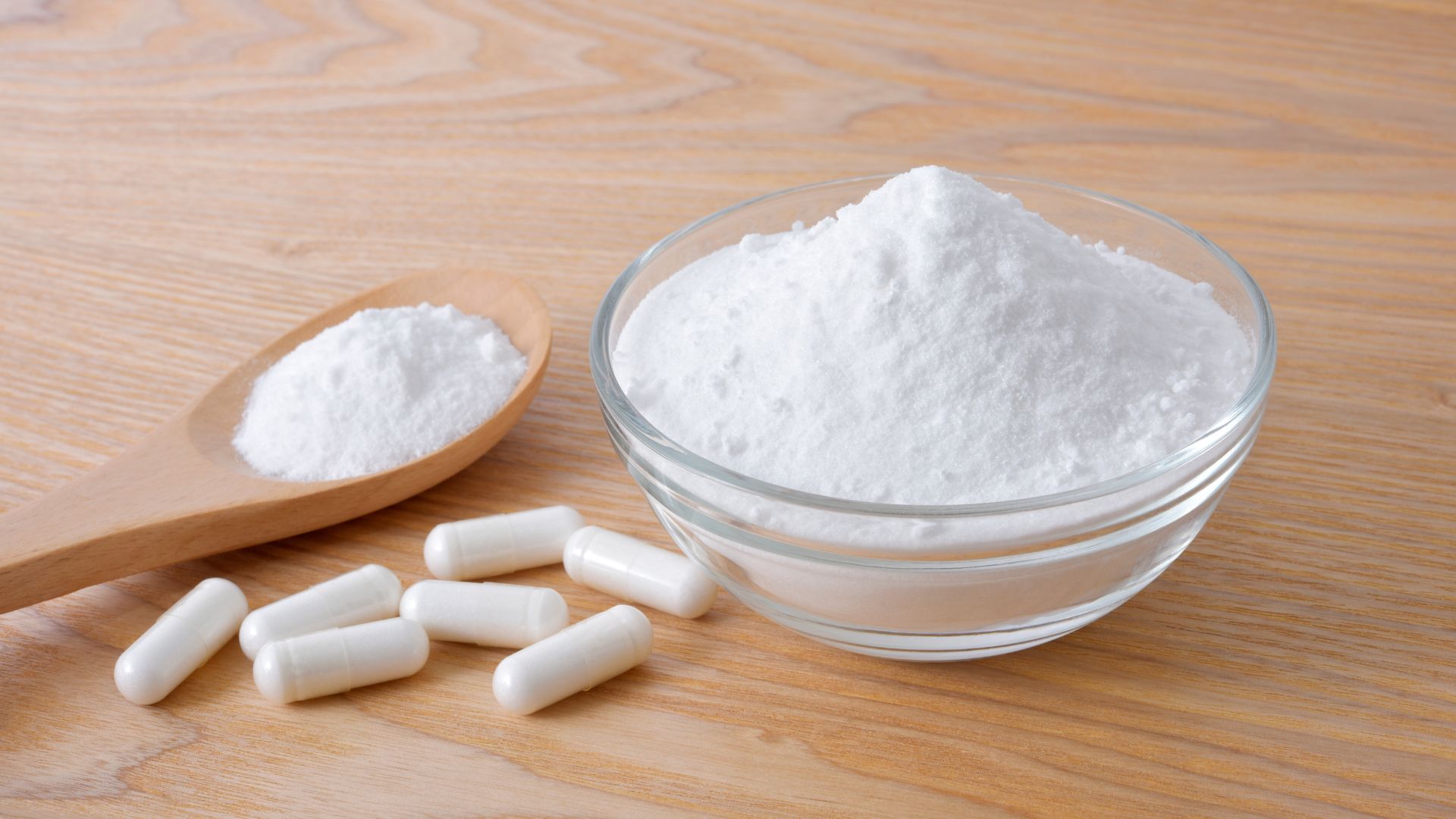
Emerging research suggests that NAD+ precursor supplements may increase NAD+ levels:
While early research on these supplements is promising, more long-term human studies are needed to fully understand optimal dosing, timing, and clinical benefits. If considering supplementation, make sure to consult with a healthcare provider, particularly if you have existing health conditions or take medications.
Equally important is avoiding things that deplete NAD+:
These strategies support cellular energy and NAD+ production but do not replace medical evaluation or treatment for conditions related to energy, metabolism, or aging.
NAD+ is relevant for everyone, regardless of your current age or health status.
If you're young and healthy, maintaining high NAD+ supports optimal energy, cognitive performance, and metabolic function while building resilience that protects you decades later. As you reach middle age, NAD+ becomes increasingly important as natural age-related decline begins. The habits that support NAD+ production can slow or prevent the energy decline, metabolic dysfunction, and cognitive changes many people accept as inevitable. For older adults, NAD+ represents one of the most powerful targets for maintaining independence, energy, cognitive function, and quality of life.
Your cells' ability to produce energy, repair DNA, resist stress, and maintain function throughout life depends significantly on NAD+. The habits that support NAD+ production (particularly regular exercise, quality sleep, periodic fasting, and stress management) are among the most powerful interventions for protecting cellular health and extending healthspan at any age.


The assistant is still loading. Try again in a moment, or email hello@wellpro.ai.