← Go Back


What do blood vessels do? Most people might say "carry blood around the body to deliver oxygen to organs and tissues," which is right... but missing a very important part.
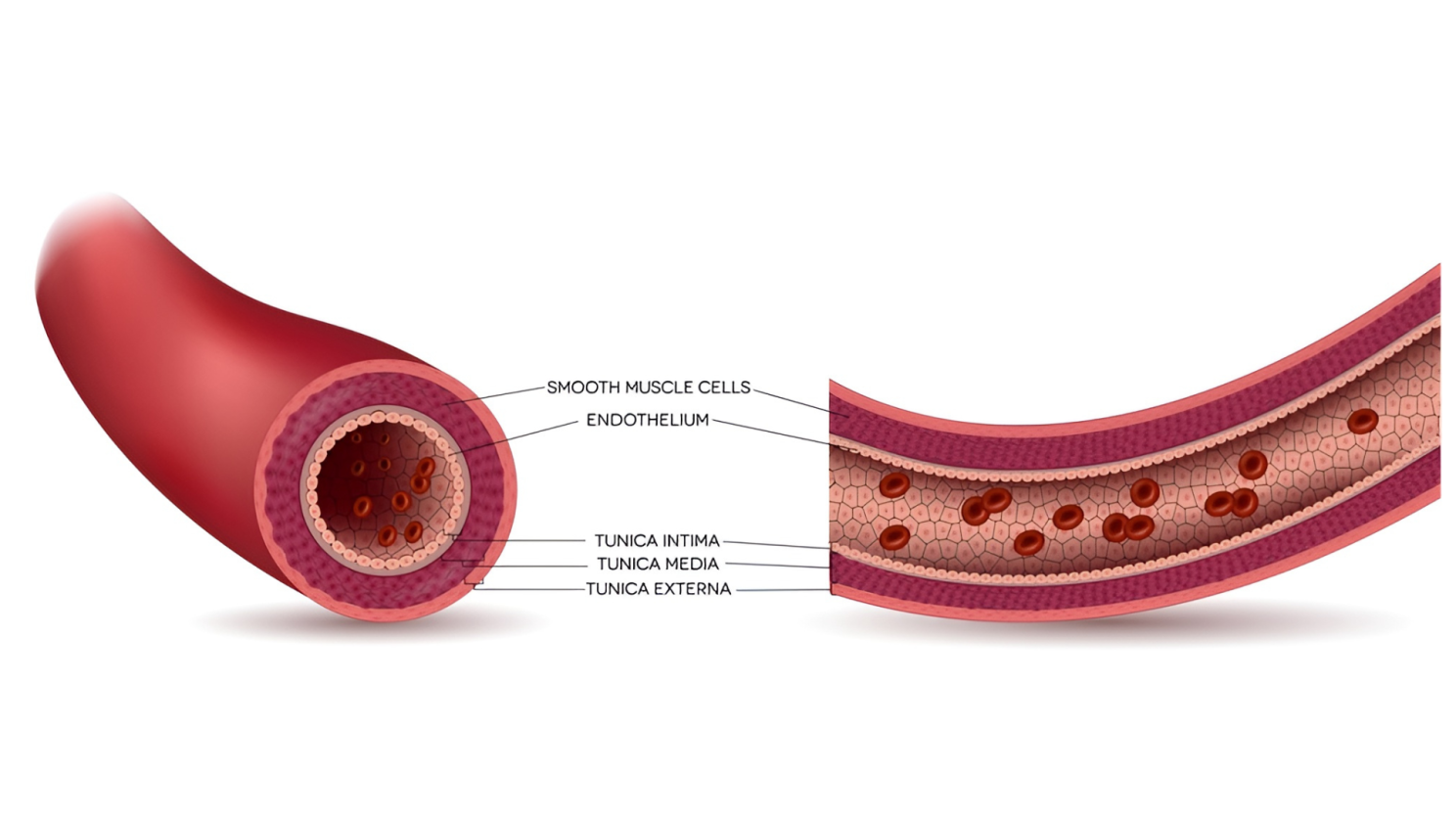
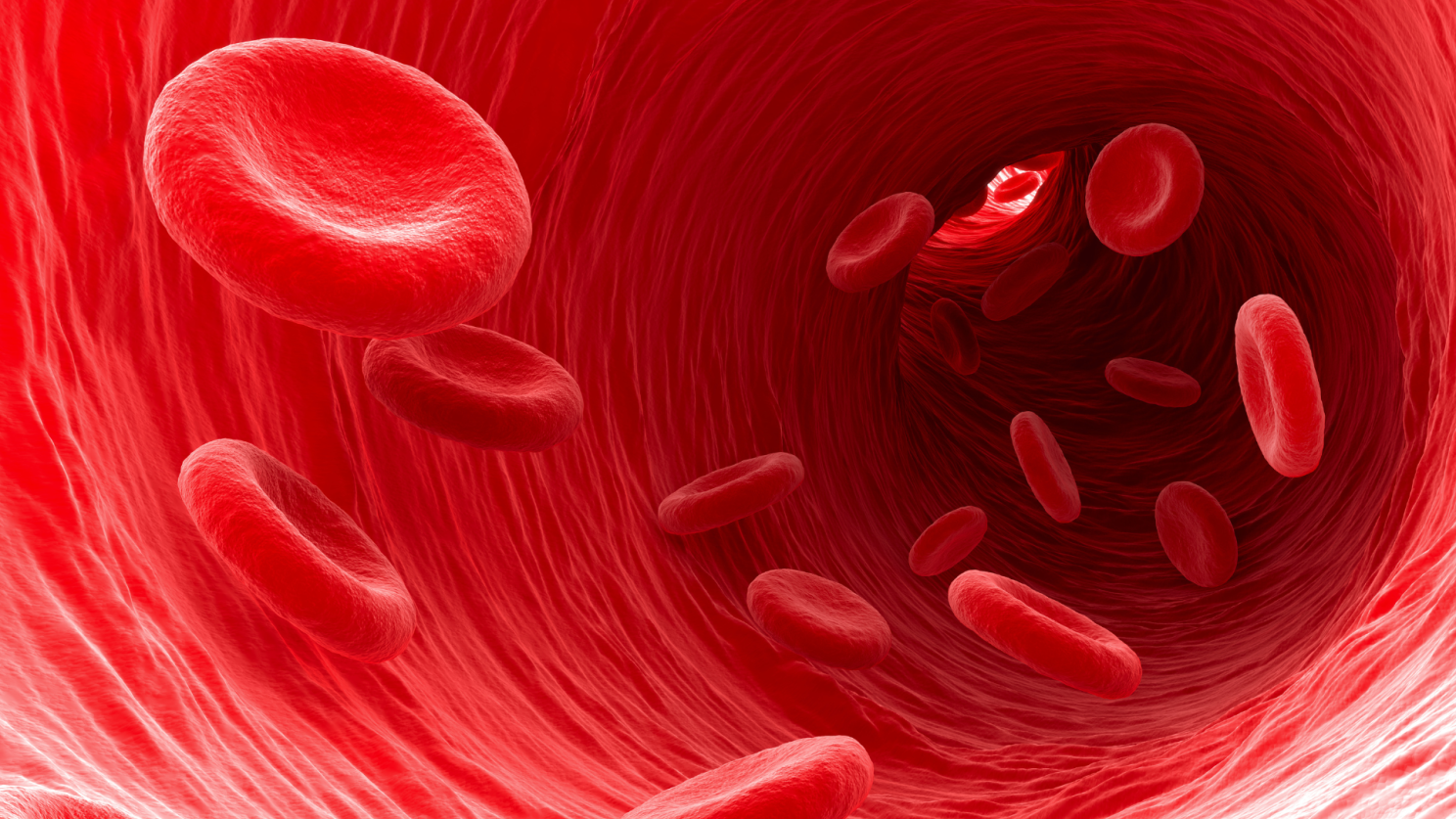
Interestingly, your blood vessels do far more than passively carry blood. The inner lining of every artery and vein (called the endothelium) functions as an active organ that produces signaling molecules controlling blood pressure, preventing clots, regulating inflammation, and maintaining vascular health. The most critical molecule your endothelium produces is nitric oxide.
This gas signals the smooth muscle in your vessel walls to relax, allowing your arteries to widen and blood to flow more easily. Nitric oxide production determines whether your vessels stay flexible and responsive or become stiff and dysfunctional. When production is adequate, your cardiovascular system thrives. When it declines (which happens with aging, inflammation, and poor lifestyle factors), your risk of hypertension (high blood pressure), atherosclerosis (plaque buildup in arteries), and heart disease increases substantially. Understanding how nitric oxide works reveals concrete ways to protect your vascular health.
Nitric oxide is a simple gas molecule composed of one nitrogen atom and one oxygen atom. In 1998, three scientists won the Nobel Prize in Physiology or Medicine for discovering that this molecule serves as a crucial signaling compound in the cardiovascular system.
Your endothelial cells (the cells lining your blood vessels) produce nitric oxide through an enzyme called endothelial nitric oxide synthase (eNOS). This enzyme converts the amino acid L-arginine into nitric oxide. This conversion requires cofactors (helper molecules) including tetrahydrobiopterin (BH4), oxygen, and NADPH. When oxidative stress depletes BH4, nitric oxide production can decline even when other conditions are favorable. Once produced, nitric oxide diffuses into the smooth muscle cells surrounding your blood vessels, which triggers reactions that cause the muscle to relax. This relaxation allows your arteries to widen, a process called vasodilation.
Nitric oxide has a very short half-life and lasts only a few seconds before breaking down. This means your body must produce it continuously to maintain proper vascular function.
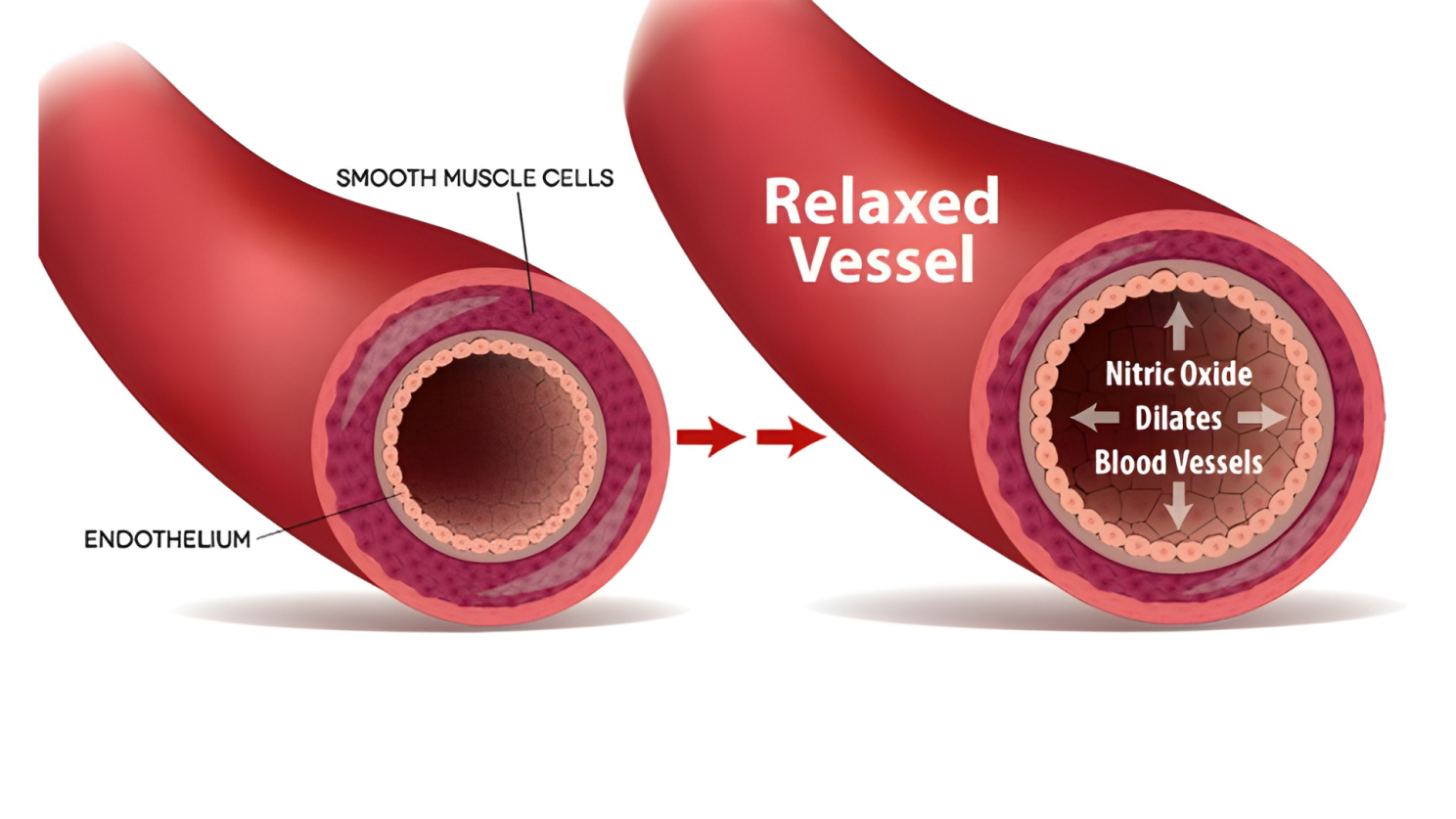
When nitric oxide moves into the smooth muscle layer of your blood vessel walls, it activates an enzyme that causes smooth muscle cells to relax, allowing the blood vessel to widen. This process serves several critical functions:
Blood Pressure Regulation: When your arteries widen, resistance to blood flow decreases, which lowers blood pressure. Medications for hypertension often work by increasing nitric oxide availability or mimicking its effects.
Blood Flow and Oxygen Delivery: Vasodilation improves circulation, ensuring that oxygen and nutrients reach tissues efficiently. During exercise, increased nitric oxide production helps deliver more blood to working muscles.
Prevention of Platelet Aggregation: Nitric oxide prevents platelets (small blood cell fragments that help form clots) from clumping together and sticking to vessel walls, reducing the risk of dangerous clots.
Protection Against Atherosclerosis: Nitric oxide has anti-inflammatory properties and helps prevent the adhesion of white blood cells to vessel walls, an early step in atherosclerotic plaque development. When this process works properly, it helps prevent the buildup of plaques that can narrow arteries and lead to heart attacks or strokes.
Your endothelium is the single-cell layer lining the inside of all your blood vessels. If laid out flat, it would cover roughly the size of a tennis court. This extensive tissue senses changes in blood flow, pressure, and chemical signals, then responds by producing substances including nitric oxide.
When blood flows faster (such as during exercise), the increased shear stress on endothelial cells stimulates more nitric oxide production. This is one reason why aerobic exercise has such profound cardiovascular benefits.
A healthy endothelium produces adequate nitric oxide, maintains balance between clotting and anti-clotting factors, and regulates inflammation appropriately. When endothelial function declines (endothelial dysfunction), nitric oxide production decreases, inflammation increases, and cardiovascular disease risk rises substantially.
Nitric oxide production naturally tends to decrease with age, but several factors accelerate this decline:
Aging: The activity of eNOS can decrease with age, reducing the endothelium's ability to produce nitric oxide.
Oxidative Stress: Free radicals (unstable molecules that can damage cells) can react with nitric oxide and neutralize it before it can signal blood vessels to relax, reducing bioavailability even when production remains adequate.
Inflammation: Chronic low-grade inflammation can impair endothelial function and reduce nitric oxide production while increasing oxidative stress.
Endothelial Damage: Smoking, high blood sugar, high blood pressure, and oxidized LDL cholesterol (the "bad" cholesterol that contributes to plaque buildup) can damage endothelial cells, which impairs their ability to produce nitric oxide.
Sedentary Lifestyle: Lack of physical activity reduces the shear stress that stimulates nitric oxide production and can lead to endothelial dysfunction.
Your body has an alternative pathway for producing nitric oxide through certain foods. Some vegetables contain compounds called nitrates, which your body can convert into nitric oxide. Think of nitrates as raw materials your body uses to make this important gas.
Here's how it works: When you eat these vegetables, bacteria naturally present in your mouth convert the nitrates into a compound called nitrite. You swallow this nitrite, and in your stomach and blood vessels, it gets converted into nitric oxide, the same beneficial gas your endothelium produces.
Foods that support nitric oxide production:
Leafy greens like arugula, spinach, and lettuce contain some of the highest concentrations of these beneficial nitrates. Beetroot and beet juice have also been well-studied for their cardiovascular effects. Additionally, other vegetables including celery, radishes, and bok choy have also shown to provide significant nitrates.
Multiple human trials show that dietary nitrates from beets and leafy greens can lower systolic blood pressure by 4-10 mmHg within hours, improve endothelial function, and enhance exercise efficiency.
One important note: this pathway requires the natural bacteria in your mouth to work. Antibacterial mouthwash kills these beneficial bacteria, which is why some research has linked regular mouthwash use to slightly increased blood pressure. While this connection is still being studied and more research is needed, it's worth considering how frequently you use antibacterial products.
Exercise is one of the most powerful ways to support nitric oxide production. When you exercise, increased blood flow creates shear stress on the endothelium, which stimulates eNOS activity and increases nitric oxide production.
Aerobic exercise like running, cycling, swimming, or brisk walking creates sustained increases in blood flow, which consistently stimulates nitric oxide production. Regular aerobic exercise improves endothelial function, increases eNOS expression, and enhances blood vessel responsiveness.
Resistance training also benefits endothelial function through increased muscle contractions and blood flow during exercise, though the effect is smaller compared to aerobic exercise. Combined aerobic and resistance training yields the strongest endothelial benefits.
Regular training leads to structural adaptations in the endothelium, making it more efficient at producing nitric oxide even during rest. This is one reason why consistent exercise provides cumulative cardiovascular benefits over time.
Your nasal passages and sinuses produce nitric oxide continuously. When you breathe through your nose, this nitric oxide is carried into your lungs where it can improve oxygen uptake and help dilate pulmonary blood vessels.
Nasal breathing during exercise may provide advantages over mouth breathing by delivering this additional nitric oxide to the respiratory system, potentially contributing to improved oxygenation and respiratory function.

Two amino acids have been studied for their potential to increase nitric oxide production:
L-Arginine is the direct substrate that eNOS uses to produce nitric oxide. However, oral supplementation has shown mixed results, partly because much of it is broken down in the gut and liver before reaching the bloodstream.
L-Citrulline is converted to L-arginine in the kidneys and appears more effective at increasing blood arginine levels. Some studies show that L-citrulline can improve exercise performance and reduce blood pressure, though effects are generally mild to moderate.
While these supplements may have benefits, the evidence is not as strong as for dietary nitrates or exercise. Effects appear more consistent in individuals with endothelial dysfunction or elevated blood pressure, and less pronounced in healthy adults. Focus first on optimizing diet and physical activity.
Supporting nitric oxide production involves several strategies:
Eat Nitrate-Rich Vegetables: Consume leafy greens and beets regularly to provide raw materials for nitric oxide production.
Exercise Consistently: Emphasize aerobic activities that create sustained increases in blood flow and shear stress on the endothelium.
Consume Antioxidant-Rich Foods: Include berries, dark chocolate, and green tea to help protect nitric oxide from oxidative damage. Many fruits, vegetables, nuts, and whole foods contain beneficial antioxidants, so you have plenty of options to choose from.
Avoid Smoking and Limit Alcohol: Both impair endothelial function and reduce nitric oxide bioavailability.
Manage Blood Sugar and Inflammation: Control these through diet and lifestyle, as both chronically elevated glucose and inflammatory markers have been shown to cause damage to the endothelium.
Consider Nasal Breathing: Practice nasal breathing during exercise and daily activities to utilize the nitric oxide produced in your nasal passages.
This simple molecule determines whether your blood vessels remain flexible and responsive or become rigid and dysfunctional, all while working silently in the background. It controls blood pressure, prevents dangerous clots, and protects against the inflammatory processes that lead to atherosclerosis.
The good news is that nitric oxide production responds powerfully to lifestyle interventions. The foods you eat, the exercise you do, how you manage inflammation, and so much more all influence how much nitric oxide your endothelium produces. Unlike many aspects of aging, endothelial function and nitric oxide bioavailability can be maintained and even improved with the right approach.
Your endothelium is producing this protective gas right now, with every heartbeat. The question isn't whether this system exists. It's whether you'll support it. Every nitrate-rich meal, every workout, every choice that reduces inflammation is an investment in keeping your vessels flexible and your cardiovascular system thriving.

The assistant is still loading. Try again in a moment, or email hello@wellpro.ai.