← Go Back


What comes to mind when you think about body fat? For most people, it's something unwanted. And for good reason: fat is typically tissue that stores excess calories, contributes to weight gain, and when accumulated in excess, increases disease risk.
But what if not all body fat worked that way? What if you had a type of fat that does the opposite: burning calories instead of storing them, generating heat instead of insulation, and improving metabolic health instead of contributing to disease?
You do. It's called brown adipose tissue (or brown fat), and it's fundamentally different from the white fat that most of us want to lose. While white fat stores excess calories, brown fat is metabolically active, packed with mitochondria, and designed to burn energy.
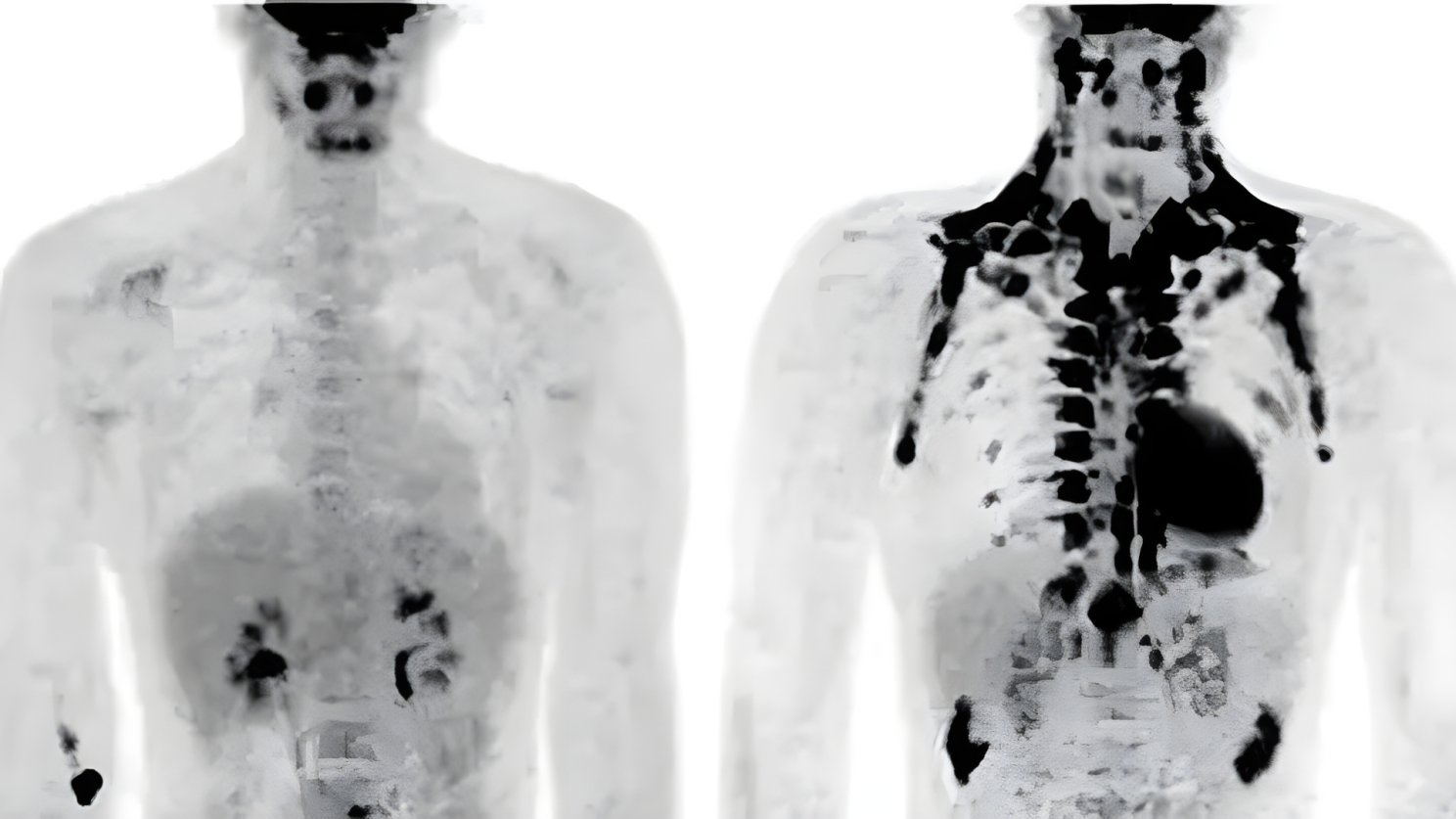
For decades, scientists believed brown fat disappeared after infancy. But in the early 2000s, researchers using PET scans made a surprising discovery: adults have functioning brown fat too. Since then, research has exploded around understanding how to activate and support this remarkable tissue.
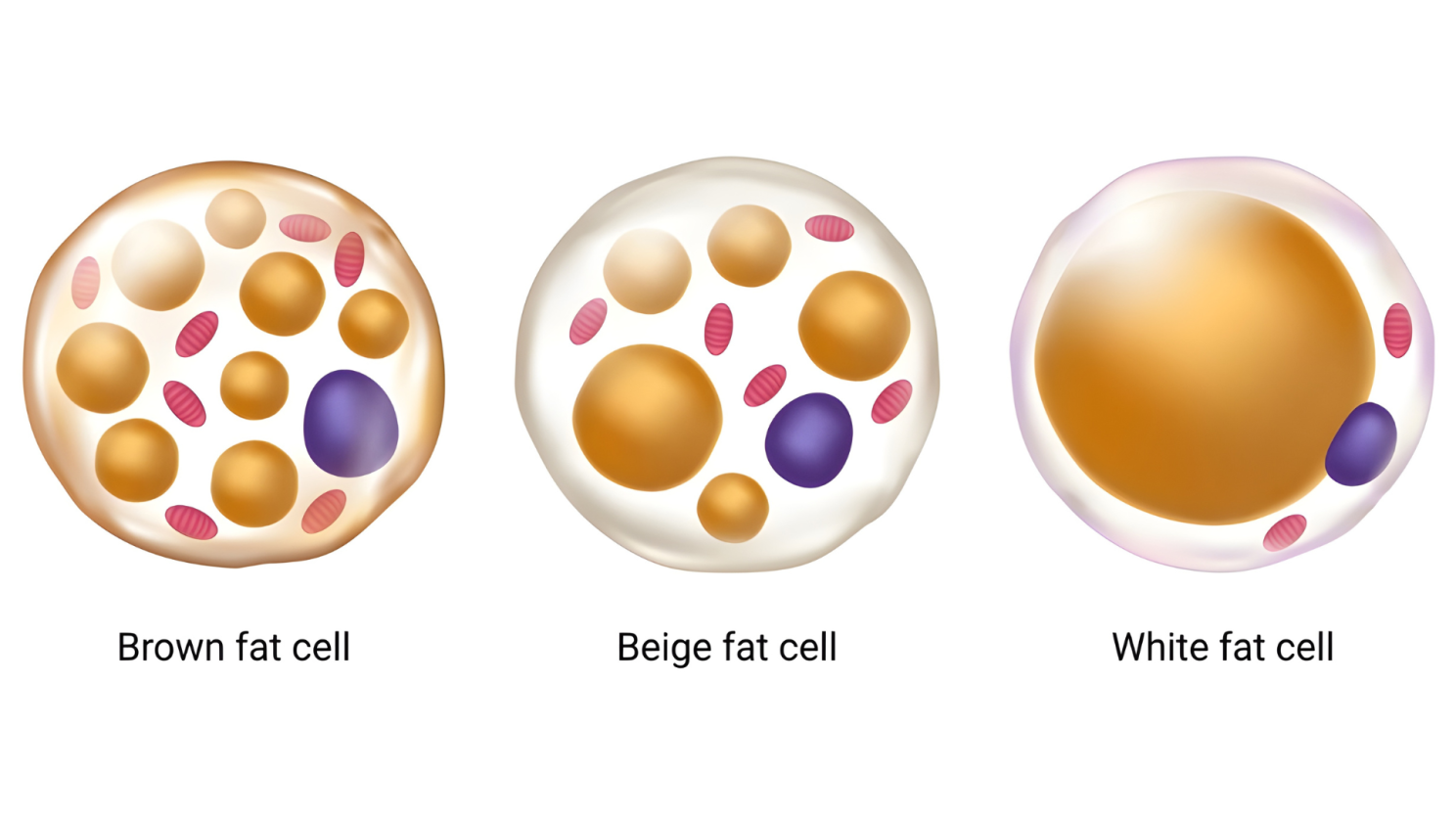
Brown adipose tissue (BAT) is fundamentally different from the white adipose tissue (WAT) that makes up most of the fat in your body. To truly understand brown fat, you need to see how dramatically different these two tissues are:
Structure and Appearance
White fat cells are large and contain a single lipid droplet that stores energy. Brown fat cells are smaller and contain multiple smaller lipid droplets along with numerous mitochondria. The mitochondria contain high levels of iron, which gives brown fat its distinctive brown color. In fact, brown fat has more in common with muscle tissue than with white fat when you look at its cellular structure.
Function
White fat stores energy for later use and provides insulation around your organs. Brown fat burns energy to generate heat in a process called thermogenesis. When activated, brown fat rapidly breaks down fat and sugar molecules to produce warmth rather than storing them.
Metabolic Activity
White fat is relatively inactive metabolically, serving primarily as energy storage. Brown fat is one of the most metabolically active tissues in your body, constantly working when activated to burn calories and regulate temperature.
Where Brown Fat Lives
In newborns, brown fat makes up about 2% to 5% of total body weight and is concentrated in the back, neck, and shoulders. This helps babies maintain body temperature since they can't shiver effectively. As we age, the amount of brown fat decreases and its distribution changes.
In adults, brown fat is found in smaller deposits around the neck, collarbone area, kidneys, adrenal glands, and along the spine. The amount varies significantly between individuals. Leaner people and those regularly exposed to cold temperatures tend to have more active brown fat than others.
Brown fat's primary function is non-shivering thermogenesis which produces heat without the muscle contractions of shivering. This process is controlled by a specialized protein called uncoupling protein 1 (UCP1, found exclusively in brown fat mitochondria).
When your body starts to get cold, your sympathetic nervous system releases norepinephrine (a neurotransmitter), which binds to receptors on brown fat cells. This activation causes brown fat to break down stored fat and glucose from your bloodstream.
Normally, when mitochondria break down fuel, they produce ATP efficiently. But UCP1 "uncouples" this process. Instead of producing ATP, the energy is released directly as heat. This makes brown fat incredibly inefficient at storing energy but highly efficient at producing warmth.
This heat warms the blood flowing through brown fat deposits, which then circulates throughout your body. This happens right before you would start shivering, serving as your body's first line of defense against cold.
Brown fat does more than just keep you warm. Its metabolic activity has significant implications for overall health:
Calorie Burning and Energy Use
When activated, brown fat burns calories to produce heat. While the exact amount varies, studies suggest that activated brown fat could contribute to meaningful increases in daily energy use.
Glucose Regulation
Brown fat is remarkably effective at taking up glucose from the bloodstream. When activated, it can clear significant amounts of blood sugar, which may help improve insulin sensitivity and glucose control. This connection has implications for metabolic health and diabetes prevention.
Lipid Metabolism
Brown fat doesn't just burn glucose, but can also break down fatty acids and triglycerides. Active brown fat can help clear lipids from the bloodstream, potentially positively influencing cardiovascular health.
Metabolic Flexibility
People with more active brown fat tend to have better metabolic flexibility (the ability to efficiently switch between burning carbohydrates and fats for fuel). This metabolic adaptability is many times associated with better overall health.
Researchers have discovered that some white fat cells can be "converted" into beige fat cells. These cells aren't quite brown fat, but they can acquire some thermogenic properties and begin expressing UCP1.
This process, called "browning," suggests that the amount of metabolically active fat tissue in your body isn't entirely fixed. Certain interventions may be able to recruit additional calorie-burning fat cells from existing white fat stores.
Understanding what activates brown fat opens possibilities for supporting this metabolic tissue:
Cold Exposure
Cold is the most potent natural activator of brown fat. When your body temperature drops, brown fat activation occurs before shivering begins.
Research shows that regular cold exposure can increase both the amount and activity of brown fat. Studies have found that spending time in environments around 60-66°F (15-19°C) can activate brown fat, especially when wearing lighter clothing.
Practical approaches include gradually lowering your thermostat, spending time outdoors in cooler weather, ending showers with cold water, or cold water therapy (ice baths). The key is gradual adaptation: your brown fat becomes more active with repeated cold exposure over time. Note: always prioritize safety.
Exercise and Physical Activity
Exercise can also influence brown fat. Physical activity triggers the release of irisin (a hormone that can promote the browning of white fat cells). Regular exercise also improves insulin sensitivity (your body's ability to use insulin effectively to regulate blood sugar) and metabolic health in ways that support brown fat function.
While optimal exercise protocols for brown fat activation are still being studied, maintaining regular physical activity appears beneficial for metabolic health in ways that complement brown fat activity.
Nutritional Factors
Several dietary components may influence brown fat:
Adequate iron intake has been shown to support the high mitochondrial density in brown fat. Iron-rich foods include meat, seafood, beans, lentils, and leafy greens.
Some research suggests certain compounds may support brown fat activity, including capsaicin (found in chili peppers), resveratrol (found in grapes and berries), and ursolic acid (found in apple peels). Note: While promising, these effects are still being studied.
Maintaining stable blood sugar through balanced meals with adequate protein, healthy fats, and fiber-rich carbohydrates can create a metabolic environment that supports brown fat function.
Sleep and Circadian Health
Brown fat activity appears to follow circadian patterns and may be influenced by sleep quality. Prioritizing consistent sleep schedules and adequate sleep duration may indirectly support brown fat through improved metabolic health and hormonal balance.

While brown fat is fascinating and metabolically significant, it's important to maintain realistic expectations. Brown fat is one piece of the metabolic health puzzle, not a magic pill.
The amount of brown fat and its activity varies significantly between individuals based on genetics, age, body composition, and environmental exposure. Some people naturally have more active brown fat than others.
Brown fat works best as part of a comprehensive approach to metabolic health that includes regular physical activity, balanced nutrition, adequate sleep, and stress management. The interventions that activate brown fat, such as cold exposure, exercise, good nutrition, and quality sleep can all benefit your health through multiple mechanisms beyond just brown fat activation.
Brown fat represents a shift in how we think about body fat. Not all fat tissue is created equal, and some of your body fat is actively working to burn calories, regulate metabolism, and support your health.
While you can't dramatically increase your brown fat overnight, understanding what activates it offers practical strategies for supporting this metabolic tissue. When supported appropriately through cold exposure, physical activity, nutrition, and sleep, brown fat becomes one more tool that contributes to your overall energy balance and health.

More Info: At WellPro, we’re building an AI-native clinical platform purpose-built to scale the next era of care: personalized, preventative, and data-driven. Our thesis is simple but bold; the future of care delivery will be patient-centered, proactive, longitudinal, and closed-loop. That demands infrastructure that can ingest multi-modal health data, generate insight, drive action, and continuously optimize based on outcomes.
We believe Agentic AI is central to making this vision real. Not just chat interfaces or “co-pilots,” but deeply embedded, goal-driven AI agents that operate within the clinical system itself, helping surface insights at the point of care, automate routine tasks, and ensure closed-loop follow-through on interventions.
The assistant is still loading. Try again in a moment, or email hello@wellpro.ai.