← Go Back
After a big lunch, sitting down and letting our food digest almost always feels like the right call. Your body is digesting, you might feel tired, and the last thing you want to do is move. But although it sounds counterintuitive, research suggests that kicking back after a meal may work against your energy, blood sugar control, and afternoon focus. So, what should you do then?
Take a short walk.
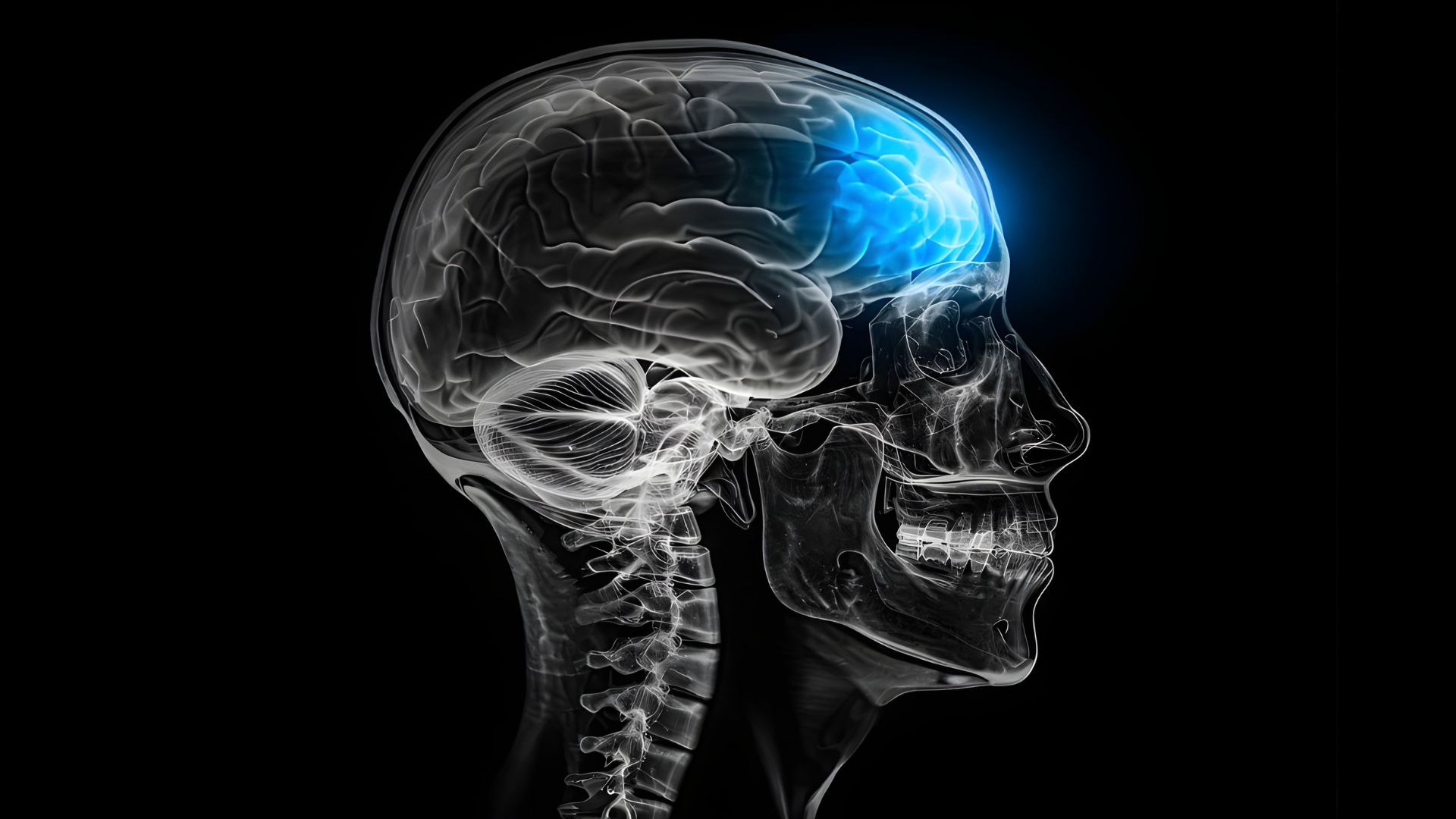
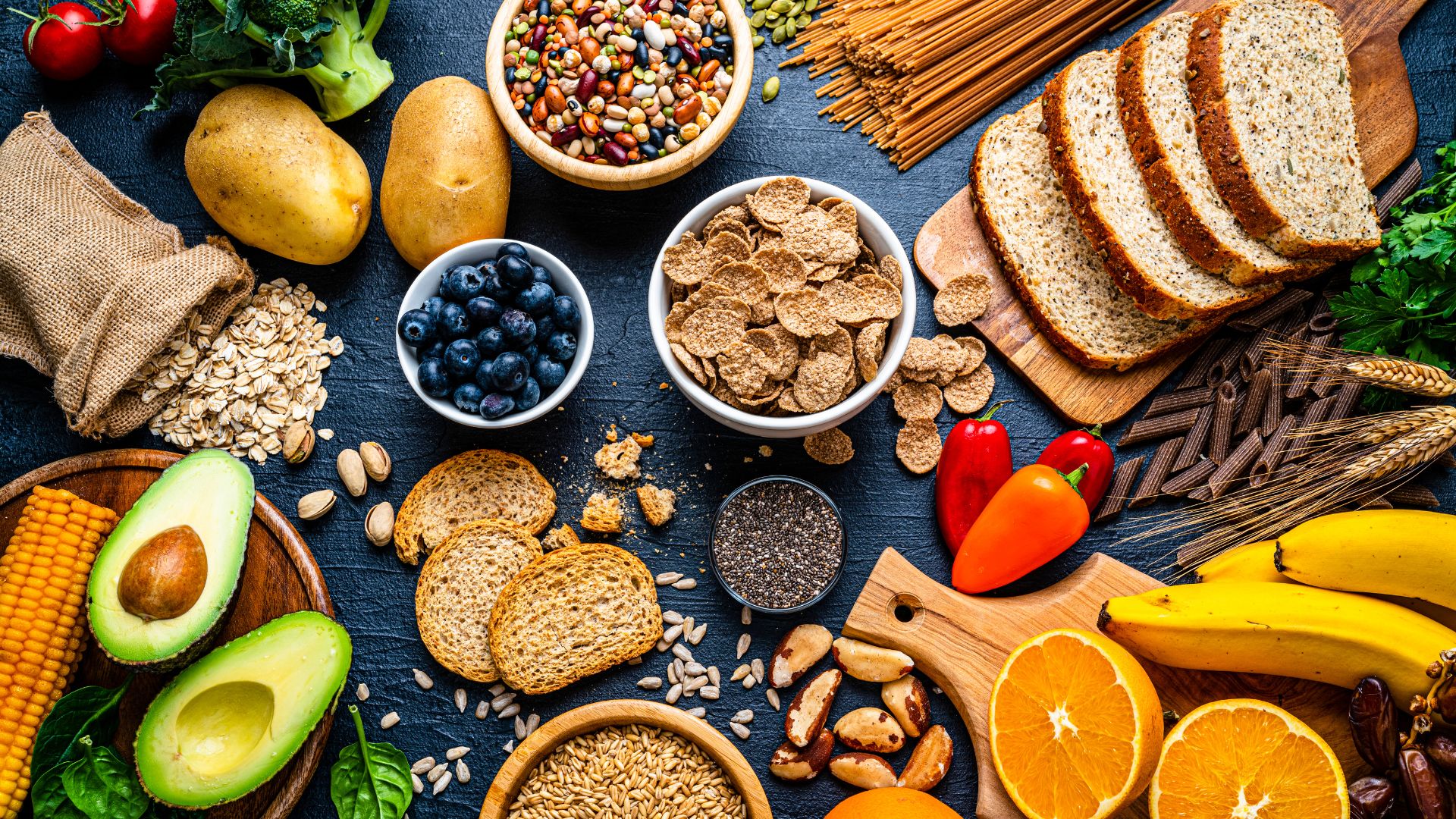
When you eat, your blood sugar rises as your body breaks down carbohydrates. Your pancreas releases insulin to manage that spike, but this process takes time. In the meantime, that surge in blood sugar followed by the insulin response is largely what causes that familiar heavy, tired, foggy feeling after a big meal. The longer you sit still, the more pronounced that spike tends to be. Left unchecked, this can contribute to afternoon energy crashes, difficulty concentrating, and increased hunger later in the day.
Research has shown that a short walk after eating can significantly reduce blood sugar spikes, giving your body a simple metabolic assist at exactly the right moment.
How to Try It
What You'll Likely Notice
Why It Works
Your leg muscles contain glucose transporters called GLUT4. When muscles contract during movement, these transporters activate and pull sugar directly from your bloodstream through a pathway that works alongside insulin. In other words, movement gives your body an additional system for clearing glucose from the blood.
Even light walking activates this process, helping reduce the size and duration of the spike. The result is less reliance on insulin, a smoother blood sugar curve, and far less of that post-meal brain fog.
The goal isn't exercise performance. It's giving your body a small metabolic assist at the exact moment it needs it most. Try it after your next meal!
Want to Learn More?