← Go Back


Stretching is one of those things almost no one questions. It feels healthy, it feels responsible, and it's usually the go-to thing when we first start our exercise. Whether it's before a run or a workout, you reach down, grab your toes, and hold a stretch, because that's what you're supposed to do, right? But when you look closely at the research, a more nuanced picture emerges, one that's genuinely useful rather than discouraging. Two of the biggest reasons people stretch are to avoid injury and reduce soreness, and unfortunately, neither is well supported by the evidence. On top of that, the pre-workout static stretch you may rely on could actually work slightly against you right before you lift heavy or sprint. So it's worth understanding when stretching helps, when it doesn't, and which kind to use. Understanding what stretching does and doesn't do, and when each type works best, turns a mindless habit into a tool you can actually use to move and feel better.
First, What Stretching Actually Is
Not all stretching is the same, and the differences matter for when you should use each type.
Static stretching is what most people picture. You move a muscle to the end of its range and hold the position, usually for anywhere from fifteen to sixty seconds. Touching your toes and holding it is static stretching.

Dynamic stretching: this involves controlled movement through a range of motion rather than holding still. Leg swings, walking lunges, and arm circles are dynamic stretches. Instead of holding a position, you move in and out of it repeatedly.

There are other forms too, but these two cover most of what people do, and as you'll see, they're suited to different moments. Much of the confusion around stretching comes from treating it as one single thing, when the type and timing are exactly what determine whether it helps you.
The Myths That Don't Hold Up
A few of the most common reasons people stretch turn out to have surprisingly little evidence behind them.
Stretching and injury prevention. This is probably the most widespread belief about stretching, and it's largely not supported. Static stretching before exercise has not been shown to meaningfully reduce the risk of most exercise injuries. This makes more sense when you consider that many injuries aren't caused by a lack of flexibility in the first place. A proper warm-up that raises your body temperature and gradually prepares the muscles appears far more useful for injury prevention than static stretching does.
Stretching and soreness. Many people stretch before or after a workout hoping to head off next-day soreness. But the evidence here is clear and a little deflating. High-quality research pooling many studies has found that stretching reduces post-exercise muscle soreness by a negligible amount, essentially too small to notice. If you've ever stretched diligently after a tough session and still woke up sore, this is why.
Static stretching as a warm-up. Here's the one that surprises people most. Holding long static stretches right before explosive or strength-based activity, like sprinting or heavy lifting, can slightly reduce power and strength for a short window afterward. The effect is most relevant for athletes and with longer holds, and it's minimized when stretching is part of a fuller warm-up. But it does overturn the old idea that a good long static stretch is the ideal way to prepare for a difficult lift.
What Stretching Actually Does Well
None of this means stretching is pointless. It has a genuine, well-supported benefit: it improves flexibility and range of motion. Stretch a muscle regularly over weeks and it will, over time, tolerate a greater range of motion. That's real, and for many people it can be valuable.
For example, better range of motion can make everyday movements easier, support better positioning in certain exercises, and help you feel less stiff and restricted. For people who sit a lot, feel tight, or want to move more freely, improving flexibility is a worthwhile goal in itself.
Stretching also simply feels good for many people, and that matters. The sensation of easing into a stretch can be relaxing and can relieve the subjective feeling of tightness, even when it isn't dramatically changing the muscle. That's a legitimate reason to do it, as long as you're not relying on it to do things it can't.
When to Stretch, and Which Kind
This is where understanding the different types pays off, because the timing genuinely matters.
Before exercise, favor dynamic stretching. A warm-up is about gradually raising your heart rate and body temperature and moving your joints through the ranges you're about to use. Dynamic stretches, like leg swings, lunges, and controlled movements that mimic your workout, do this well without the temporary power dip that long static holds can cause. Save the long static stretching for later.
For flexibility, static stretching works, especially when you're warm. If your goal is to improve range of motion, static stretching is effective, and it tends to work best when your muscles are already warm, such as after a workout or after some light movement. Consistency over weeks matters more than any single session.
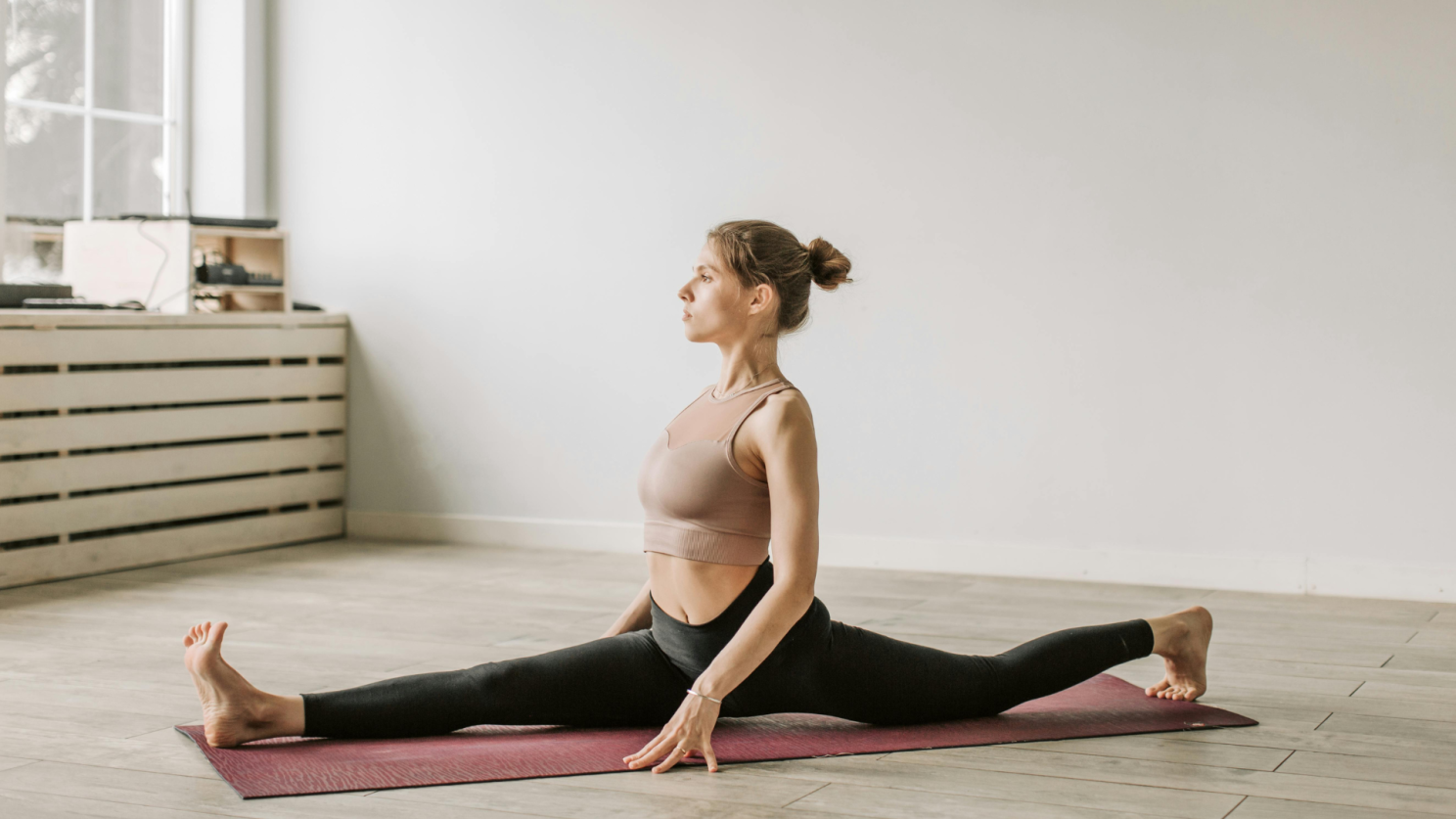
After exercise, stretch if you enjoy it. Post-workout can be a good time for static stretching, both because your muscles are warm and because it can feel good as part of a cool-down. However, just don't expect it to prevent soreness. Think of it as flexibility work and a pleasant way to wind down, not necessarily injury insurance.
Any time you feel stiff. You don't need a workout to justify stretching. If sitting has left you tight, gently moving and stretching can relieve that feeling and help you feel better in your body.
Making Stretching Work for You
The point of all this isn't to talk you out of stretching. It's to free stretching from a set of expectations it was never able to meet, so you can use it for what it genuinely offers.
Stretching won't injury-proof you, and it won't save you from soreness. But it will, done consistently, improve your flexibility and range of motion, help you feel less stiff, and offer a genuinely pleasant way to care for your body. The trick is simply matching the type to the moment: dynamic movement to prepare for effort, static stretching to build flexibility and unwind afterward.
Understood this way, stretching stops being something you do on autopilot and becomes something you do with intention. And that shift, from habit to tool, is what lets you actually get the most out of it!

The assistant is still loading. Try again in a moment, or email hello@wellpro.ai.