← Go Back


When you think about strength, you probably think about muscle. Bigger muscles, heavier weights, more force. But muscle is only half the story. Every bit of force your muscles produce has to travel somewhere, and it travels through your tendons, the tough, rope-like tissue connecting muscle to bone. Tendons don't just transmit force. They store and release energy like springs, stabilize your joints, and largely determine how much of your strength actually shows up in real movement. They're also quietly one of the biggest factors in whether you stay healthy or spend months dealing with a stubborn injury.
Part of what makes them so easy to overlook is that they operate on a different clock than your muscles. You add weight to the bar every week, your lifts climb, and everything feels like it's working. Then one day your elbow starts aching, or your Achilles gets tender, or your knee protests every time you jump. Nothing dramatic happened. You didn't do anything wrong. What most people don't realize is that muscle and tendon adapt on completely different timelines, and that gap is where a lot of injuries live. Understanding what tendons do, how they adapt, and how to strengthen them offers a genuinely different way to think about training and long-term physical resilience.
A tendon is dense connective tissue that anchors muscle to bone. If muscle is the engine, the tendon is the drivetrain, the part that takes all that force and delivers it somewhere useful. Your Achilles tendon connects your calf to your heel. Your patellar tendon connects your quadriceps to your shin. This is true everywhere in your body, not just in a few well-known spots. Every muscle you use to move attaches to bone through a tendon, which means you have hundreds of them working every time you take a step.
Structurally, tendons are built mostly from collagen (the primary structural protein in connective tissue), arranged in tightly bundled, highly organized fibers running in parallel. That alignment is what makes them so strong in one direction. A healthy Achilles tendon can handle loads many times your body weight during running and jumping.
Two features of tendon tissue explain most of what follows. First, tendons have a relatively limited blood supply compared to muscle, which contributes to slower healing and adaptation. Second, collagen turnover in tendon is slow, meaning the tissue rebuilds and remodels itself over months rather than weeks. These aren't design flaws. They're tradeoffs that come with tissue built for durability rather than rapid change.
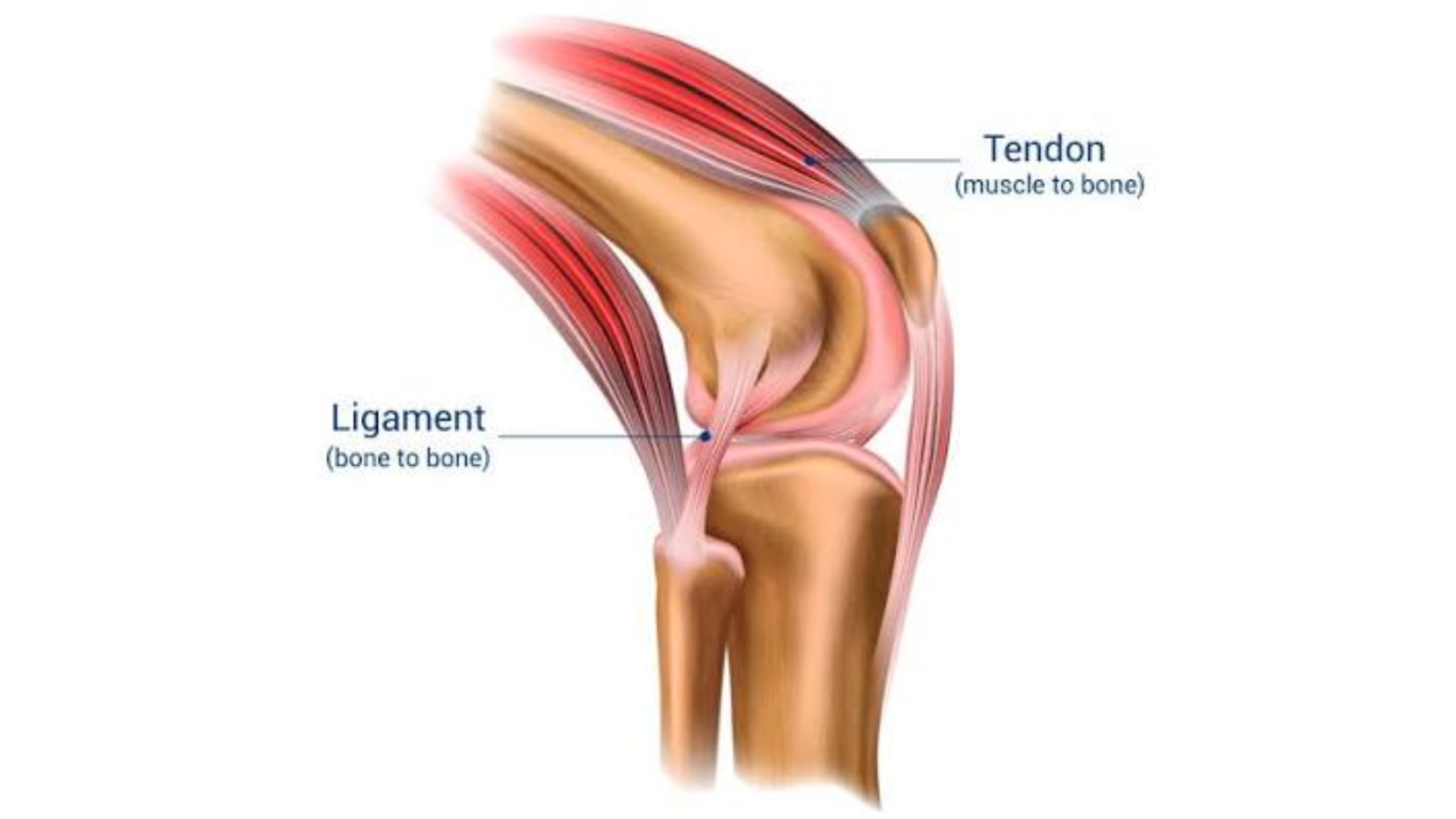
The idea that tendons simply transmit force undersells them. They also behave like springs, stretching slightly under load and recoiling to release that stored energy.
This matters more than it sounds. When you run, a meaningful portion of the energy for each stride comes from elastic recoil in your tendons rather than fresh muscular effort. When you jump, your tendons help catapult you upward. This spring-like quality makes movement dramatically more efficient than it would be if muscle had to generate every bit of force from scratch.
Tendon stiffness plays a role here too. Stiffness in this context isn't a bad thing. A stiffer tendon transmits force more efficiently and with less delay, which is part of why tendon properties influence how much of your strength actually shows up in fast, powerful movement. Tendons also contribute to joint stability and help buffer some of the forces that would otherwise land squarely on your joints.
Here's the mismatch that catches so many people out. Muscle adapts relatively quickly. Meaningful strength gains can show up within weeks, partly through neural adaptations and partly through changes in the muscle itself. Tendon adapts far more slowly, with changes in structure and stiffness generally taking months of consistent loading.
So when someone starts training seriously, or returns after time off, their capacity to generate force can outpace their tissue's readiness to handle it. The muscle says yes. The tendon isn't there yet. Add in the natural enthusiasm of progress (heavier weights, more volume, more jumping, more mileage) and you get a fairly predictable pattern of overuse pain.
This is why sudden jumps in training load are one of the more consistently identified risk factors for tendon problems. It's rarely a single bad rep. It's usually a rate-of-change problem, where load climbed faster than the tissue could adapt.
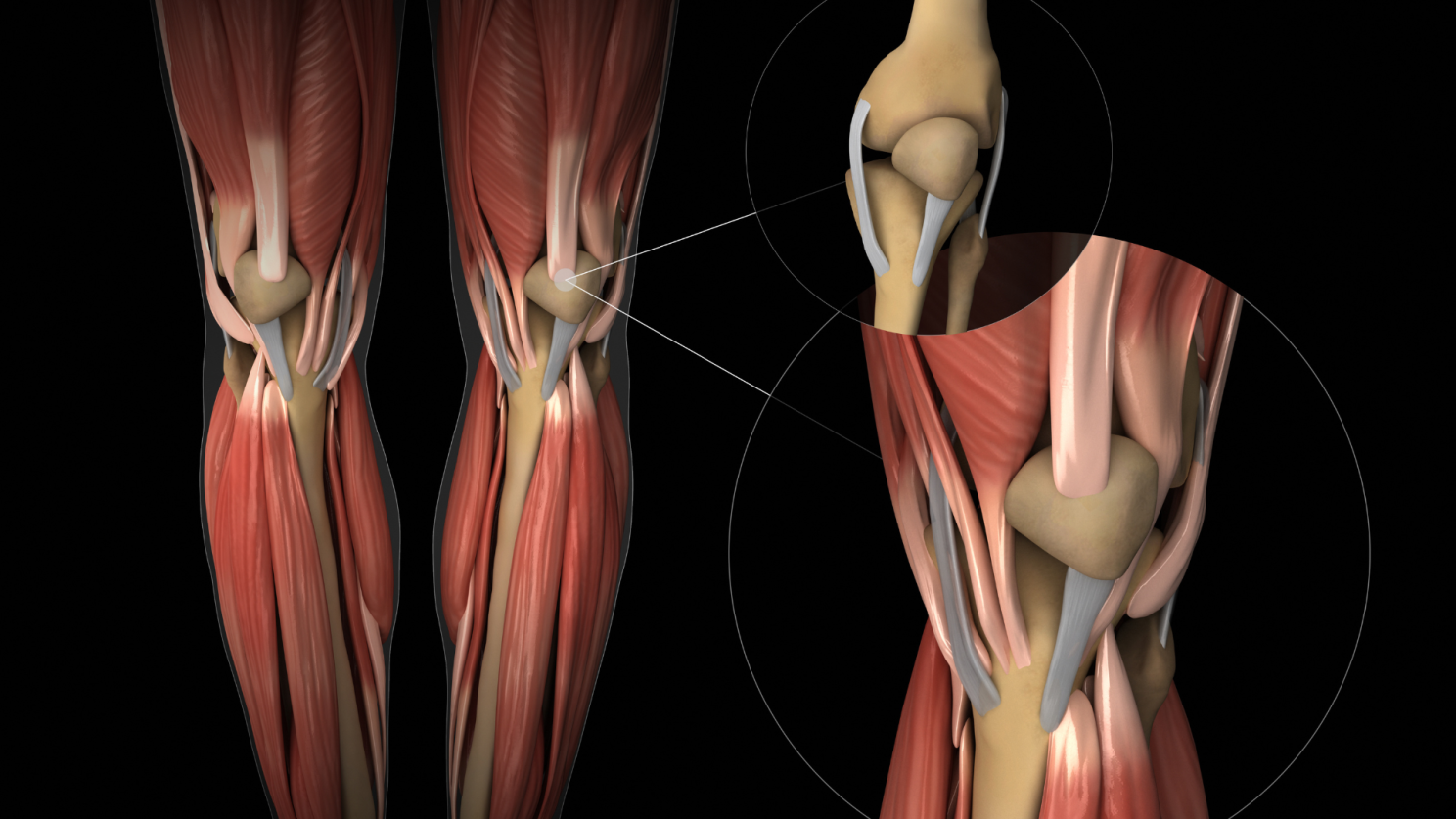
If you've had tennis elbow, jumper's knee, Achilles pain, or a shoulder that ached for the better part of a year, you already know tendon problems have a reputation for staying much longer than expected. There are good reasons for that.
The limited blood supply and slow collagen turnover mean repair genuinely takes time. But there's also a common misunderstanding worth being clear about. These conditions are often called "tendinitis," which implies inflammation. Research over the past few decades suggests that many chronic tendon problems are better described as tendinopathy, involving disorganized collagen, changes in tissue structure, and altered cell activity rather than classic inflammation alone. There may be inflammatory components, particularly early on, but the older inflammation-only model appears incomplete.
This matters practically, because it helps explain why the instinct to simply rest often disappoints. Complete rest may calm symptoms, but it doesn't give the tendon the stimulus it needs to reorganize and strengthen. People frequently rest, feel better, return to activity, and find the pain right where they left it. Tendons generally need appropriate loading to adapt, not just time off.
It's also worth knowing that pain and tissue damage don't map onto each other neatly in tendons. Some people have imaging findings with no pain at all, and others have significant pain with relatively unremarkable imaging. This is an area of active research, and it's one reason tendon problems are best assessed by a qualified professional rather than self-diagnosed from a scan.
Tendons change over the decades, and mostly not in your favor. They tend to become less elastic, slower to repair, and more vulnerable to accumulated microdamage. Collagen turnover appears to slow further with age. Tendon injuries also become more common in the second half of life, and they tend to take longer to resolve.
Because tendons underpin nearly every movement you make, this quiet decline has real consequences beyond the gym. It affects how confidently you move, how well you absorb a stumble, and whether the activities you enjoy remain available to you. The encouraging part is that tendons remain responsive to loading throughout life. They're not fixed, and the research suggests older tendons can still adapt meaningfully with the right stimulus.
Tendons respond to specific kinds of loading. The evidence here is reasonably good, though still developing, and there's genuine debate about which protocol is optimal. What's clearer is the general principle: tendons need sustained, progressive tension, and they need patience.
Heavy slow resistance. Lifting relatively heavy loads with slow, controlled tempos on both the lifting and lowering portions places sustained tension on the tendon, and this has been associated with improvements in tendon structure and symptoms. The slow tempo appears to matter.
Isometrics. Holding a load in a fixed position for extended periods (often 30 to 45 seconds, repeated for several sets) has been studied for tendon health and may help with pain in some cases. These are also useful when a tendon is irritated, since they load the tissue without much movement.

Eccentric loading. Emphasizing the lowering phase of a movement has a long track record in tendon rehabilitation, particularly for the Achilles. It's not necessarily superior to heavy slow resistance, but it's well studied and often effective.
Progress slowly. This may be the most important item on the list. Because tendons adapt on a months-long timeline, the smartest thing you can do is increase load gradually and resist the urge to chase what your muscles can already handle.
Support the basics. Adequate protein, overall nutrition, and sleep support connective tissue repair like they support everything else. Some research has explored collagen or vitamin C supplementation around loading, though the evidence remains preliminary rather than conclusive.
If you're dealing with persistent tendon pain, this is genuinely a case where working with a physical therapist or sports medicine professional pays off. Loading protocols need to be matched to the specific tendon and to how irritable it currently is, and getting that wrong in either direction tends to prolong things.
Strength has never lived in muscle alone. It lives in the whole chain, and tendons are the part of that chain most people ignore until it becomes an issue. They transmit your force, store your energy, protect your joints, and quietly determine how much of your training actually translates into capable and resilient movement.
The lesson tendons offer is really a lesson about patience. They reward consistency over intensity and progression over ambition. They ask you to build slowly enough that every part of you comes along, not just the parts that adapt fastest.
Train with that in mind and you're doing more than avoiding a nagging injury. You're investing in the tissue that keeps you moving, jumping, lifting, and living fully for decades to come!

The assistant is still loading. Try again in a moment, or email hello@wellpro.ai.