← Go Back
Ever wake up with a puffy face? Notice your rings feel tighter at the end of a long day of sitting? Or feel stiff and swollen after sitting in the same position for hours on a road trip? These aren't necessarily random. They could be signs that your lymphatic system has slowed down.
Most people have come across the lymphatic system at some point, whether through recent wellness trends, a biology class, or a doctor's visit, but very few actually understand what it does or how important it is for everyday health. Your lymphatic system is the network responsible for draining excess fluid from your tissues, transporting immune cells, and clearing waste products from your body. It runs parallel to your bloodstream and touches virtually every organ and tissue you have. When it's functioning well, fluid balance stays much more regulated, immune cells circulate where they're needed, and cellular waste gets filtered and removed efficiently. When it slows down, fluid can accumulate in your tissues causing puffiness and swelling, immune function may weaken, and metabolic waste can build up, potentially contributing to inflammation and fatigue.
What most people don't realize is that the lymphatic system has no pump of its own. It depends almost entirely on your movement, your breathing, and your daily habits to keep lymph flowing. This means that many of the things people do every day, sitting for long periods, breathing shallowly, staying dehydrated, and skipping regular movement, are actively impairing the system responsible for keeping their tissues clean and their immune system functioning.
Your lymphatic system is a vast network of vessels, nodes, and organs that spans your entire body. It begins at the tissue level, where tiny lymphatic capillaries collect excess fluid (called lymph) that leaks out of your blood capillaries into the spaces between your cells. Every day, roughly three liters of this fluid needs to be collected and returned to your bloodstream. Without the lymphatic system doing this job, your tissues would swell with fluid within hours.
Once collected, lymph flows through progressively larger vessels that contain one-way valves, similar to veins, preventing fluid from flowing backward. Along the way, lymph passes through lymph nodes which are small bean-shaped structures clustered throughout your body, with major concentrations in your neck, armpits, chest, abdomen, and groin. Interestingly, you have over 600 of them.
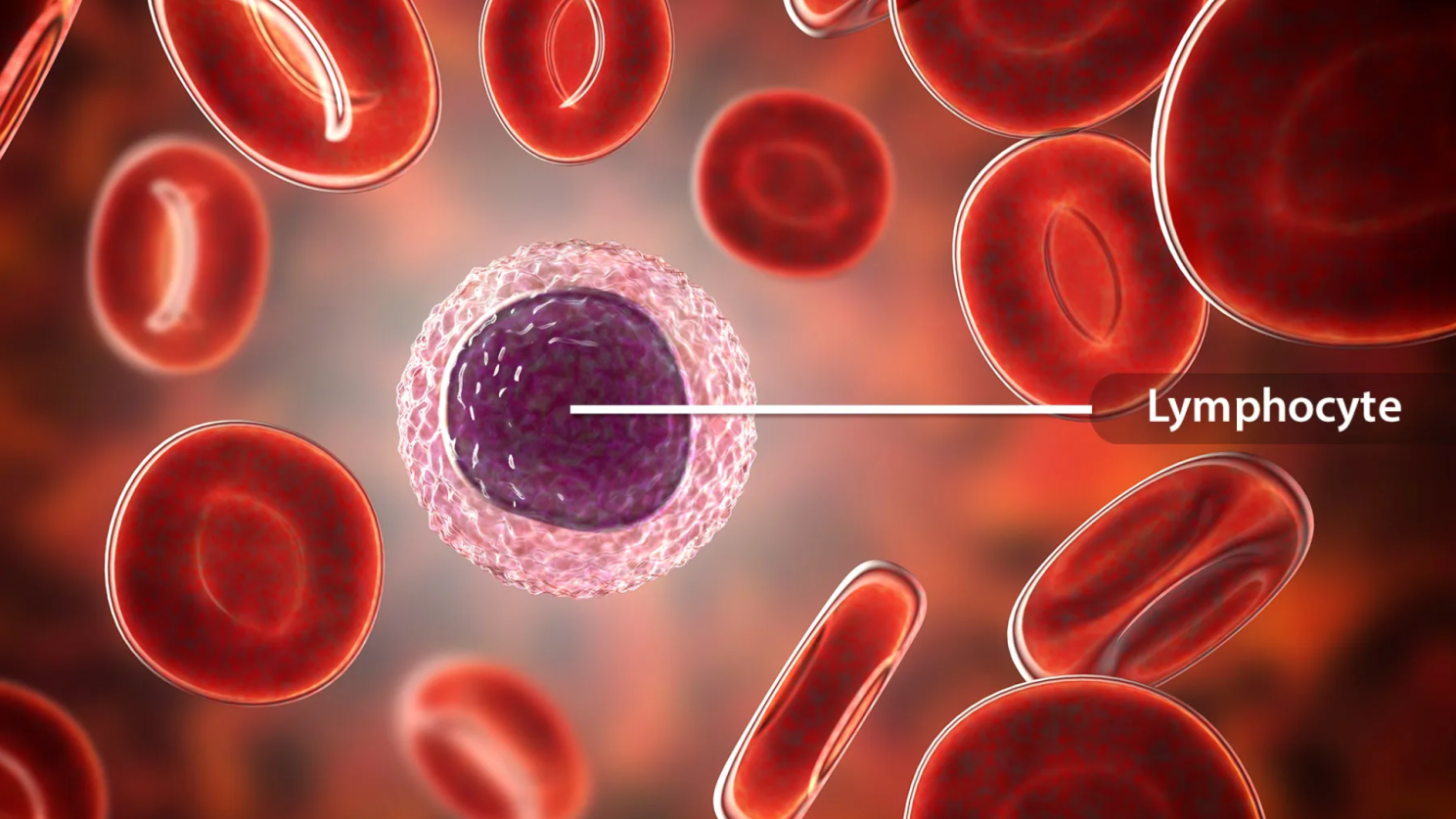
Lymph nodes aren't just passive structures that swell when you're sick. Think of them as checkpoints where your immune system inspects everything passing through, deciding what's safe and what needs to be dealt with. Inside each node, immune cells called lymphocytes continuously scan the passing lymph fluid for bacteria, viruses, abnormal cells, and other threats. When something harmful is detected, the immune response is coordinated and launched right there in the node. This is why your lymph nodes tend to swell when you're fighting an infection. They're actively working to neutralize the threat and prevent it from spreading further.
Eventually, the filtered lymph drains into the thoracic duct (the largest lymphatic vessel in your body) which empties the cleaned fluid back into your bloodstream near your left collarbone. The entire cycle depends on external forces to keep it moving: skeletal muscle contractions when you move, pressure changes when you breathe, and even gentle external pressure from massage or compression. Without these forces, lymph flow slows or stagnates.
Immune Defense: Your lymphatic system is the operational backbone of your immune response. It transports immune cells to where they're needed, filters pathogens and abnormal cells through lymph nodes, and coordinates immune activity throughout your body. When lymph flow is impaired, immune cells can't circulate efficiently, and your body's ability to detect and respond to threats may be compromised. This is one reason why people who are sedentary or chronically stressed tend to get sick more often and recover more slowly. This also has implications for people who are bedridden or have limited mobility due to illness or injury. Without regular muscle contractions to drive lymph flow, fluid can pool in tissues, the immune system can become hindered, and recovery from infection or surgery can be significantly delayed.
Fluid Balance and Inflammation: The lymphatic system is your body's primary mechanism for preventing fluid buildup in tissues. When it's functioning well, excess fluid is collected and returned to the bloodstream continuously. When lymph flow slows, fluid accumulates in tissues which can create swelling and an environment where inflammatory molecules concentrate rather than being cleared. Over time, this stagnation can contribute to chronic low-grade inflammation, which has been linked to a wide range of health conditions including cardiovascular disease, metabolic dysfunction, autoimmune disorders, and accelerated biological aging.
Waste Removal: Beyond fluid, the lymphatic system removes cellular debris, metabolic waste products, and damaged proteins from your tissues. Think of it as your body's drainage system. When lymph flow slows, this waste accumulates in the spaces between your cells, creating a toxic environment that can impair cell function and contribute to tissue damage over time.
Fat Absorption and Transport: Your lymphatic system plays a role most people don't expect. Specialized lymphatic vessels in your small intestine called lacteals (tiny finger-like lymphatic vessels that line the inside of your small intestine, specifically designed to absorb fats) take in dietary fats and fat-soluble vitamins (A, D, E, and K) from digested food and transport them into your bloodstream. Without functioning lacteals, your body would struggle to absorb these essential nutrients.
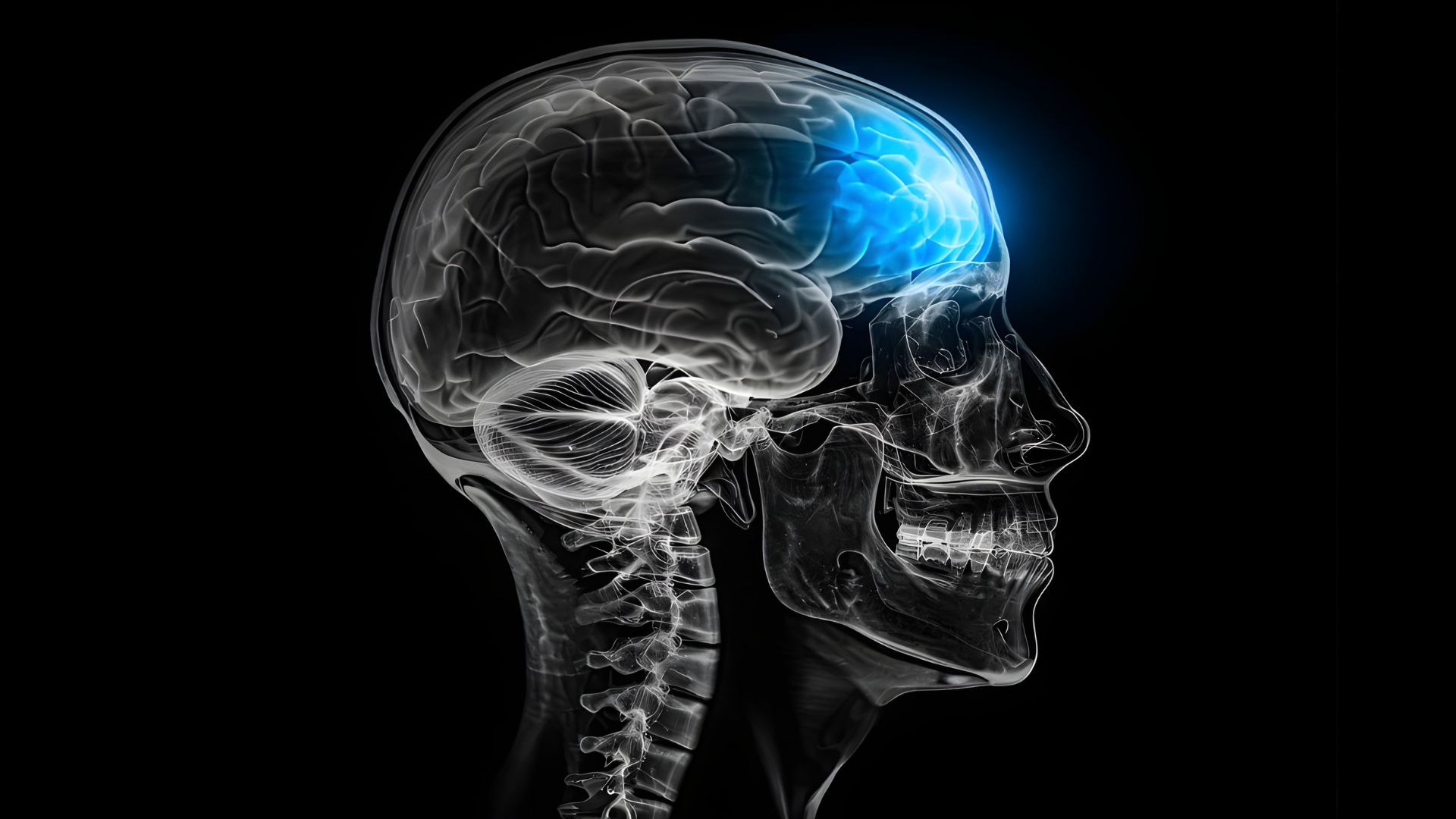
The Brain Connection: Research has revealed that the brain has its own waste clearance network (called the glymphatic system) that functions like a lymphatic system specifically for neural tissue. This system primarily activates during deep sleep, flushing out toxic proteins including beta-amyloid (the protein associated with Alzheimer's disease) and other metabolic waste. The glymphatic system is connected to the broader lymphatic network, meaning that overall lymphatic health may influence how effectively your brain clears waste during sleep.
Because the lymphatic system has no pump, it's particularly vulnerable to lifestyle factors that reduce the mechanical forces it depends on.
Prolonged Sitting and Inactivity: Skeletal muscle contractions are one of the primary drivers of lymph flow. When you sit for hours without moving, the muscle contractions that push lymph through its vessels simply aren't happening. This is why your legs can feel heavy and your ankles may swell after a long day at a desk or a long flight. The lymph fluid is pooling because nothing is pushing it along.

Shallow Breathing: Your thoracic duct (the main drainage channel of the lymphatic system) empties into veins near your diaphragm. Deep diaphragmatic breathing creates pressure changes in your chest cavity that act as a natural pump for lymph flow. Shallow chest-level breathing is common during stress and prolonged sitting and significantly reduces this pumping action.
Chronic Dehydration: Lymph fluid is primarily water. When you're chronically underhydrated, lymph becomes thicker and moves more sluggishly through your vessels. Therefore, it's important to maintain consistent water intake throughout the day to keep lymph fluid thin enough to flow efficiently and support the overall volume your body needs to maintain proper circulation.
Chronic Stress: Sustained stress and elevated cortisol can impair lymphatic function through multiple mechanisms. Stress tends to promote shallow breathing, reduce physical activity, disrupt sleep quality, and increase systemic inflammation, all of which can reduce lymphatic efficiency. The combination of these factors can create a cycle where impaired lymph flow contributes to inflammation, which contributes to more stress, which further impairs lymph flow.
The great news is that supporting lymphatic function doesn't require anything complicated or expensive. The system responds to simple, consistent routines and habits.
Regular Movement: Any form of physical activity that contracts your skeletal muscles helps drive lymph flow. For example, walking, resistance training, swimming, yoga, and even simple calf raises at your desk all contribute. The key isn't intensity but consistency. Frequent movement throughout the day may be more beneficial for lymphatic health than a single intense workout followed by hours of sitting.
Deep Diaphragmatic Breathing: Practicing slow, deep belly breathing for even five to ten minutes a day can significantly support lymphatic circulation. Breathing deeply enough that your abdomen expands (rather than just your chest rising) creates the pressure changes your thoracic duct depends on to move lymph efficiently. This is also one reason why practices like yoga and tai chi (which emphasize deep breathing alongside movement) may be particularly effective for lymphatic health.

Adequate Hydration: Keeping lymph fluid at the right consistency requires consistent water intake throughout the day.
Cold Exposure: Cold water exposure (cold showers, cold plunges, or even ending a warm shower with 30 to 60 seconds of cold water) may cause lymphatic vessels to contract and then relax, creating a pumping effect that can help move stagnant fluid. This is one reason why many people report feeling less puffy and more energized after cold exposure.
Sleep Quality: Given the connection between the lymphatic system and the brain's glymphatic system, quality sleep is essential for lymphatic function, particularly for your brain. Research suggests that sleep position may also matter. Side sleeping appears to support glymphatic drainage more effectively than sleeping on your back or stomach, though more research is needed in this area.
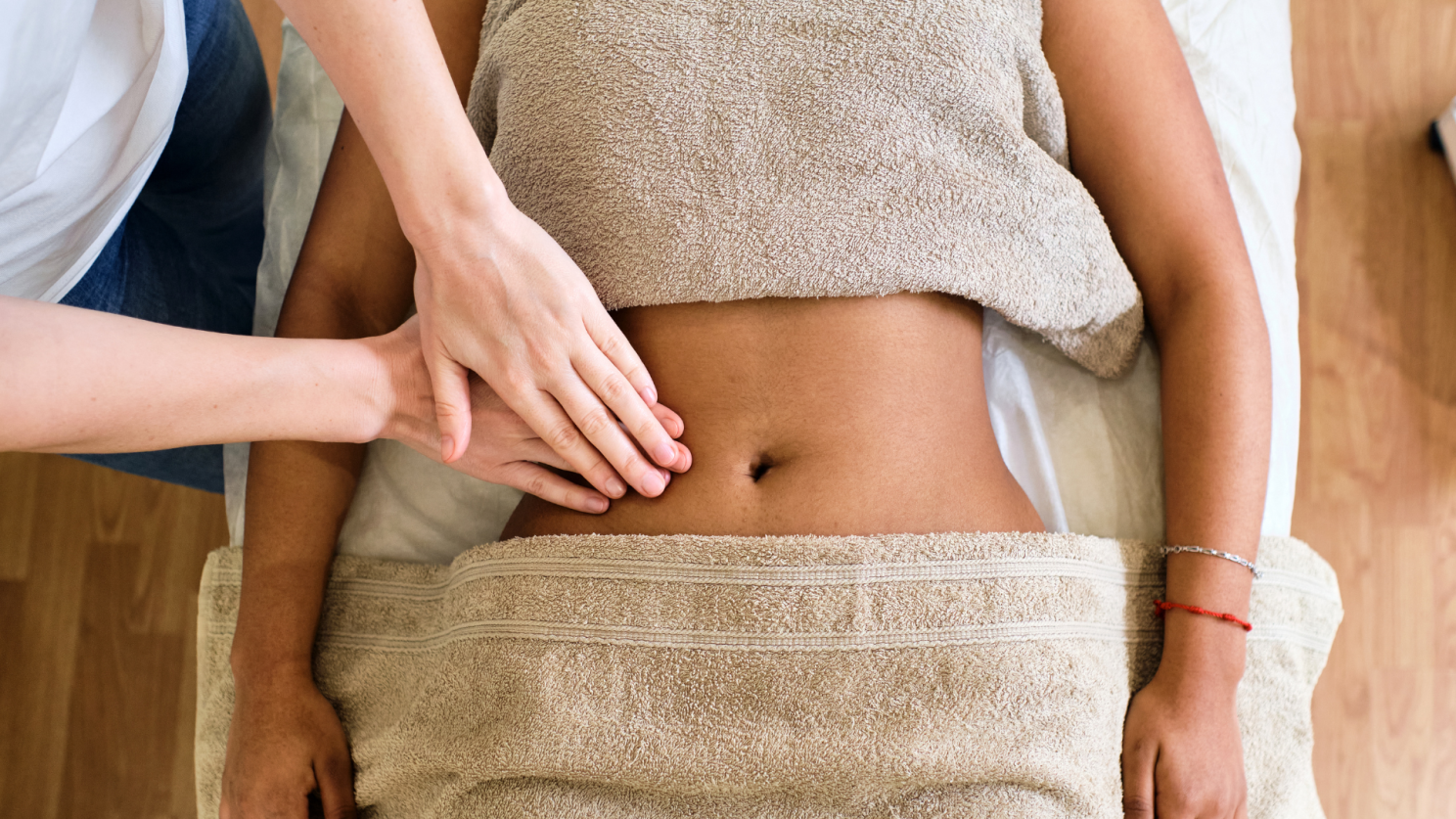
Lymphatic Massage and Dry Brushing: Gentle massage techniques using light pressure in the direction of lymph flow (generally toward your heart) can help stimulate lymphatic vessels and encourage fluid movement. Key areas to focus on include your neck (using light strokes from behind your ears down toward your collarbone, where major lymphatic ducts drain), your armpits (gently pressing and releasing around the armpit area, which contains a large concentration of lymph nodes), and your abdomen (making soft, clockwise circles with your fingertips to support lymph flow through your core). Dry brushing before a shower, using long strokes starting at your feet and hands and always moving toward your heart, is a simple daily practice that may support surface-level lymphatic circulation. Use very light pressure for both techniques. The lymphatic vessels sit just beneath the skin and respond better to gentle, rhythmic movements than deep pressure.
Your lymphatic system runs quietly in the background, performing essential functions that most people never think about until something goes wrong. It defends against infection, maintains fluid balance, clears waste from your tissues, absorbs essential nutrients, and even supports your brain's ability to clean itself during sleep.
The fact that it has no pump is both its vulnerability and your opportunity. Every time you move, breathe deeply, hydrate, or prioritize quality sleep, you're actively supporting a system that touches virtually every aspect of your health. The interventions are simple. The benefits are broad. And your lymphatic system is ready to work, it just needs you to give it the conditions to do so.