← Go Back


When people see bodybuilders, Olympic athletes, or professional athletes, a common thought is: "They must live in the gym." While these high-performing athletes do maintain impressive training schedules (often 4-6 hours daily across various activities), their weight training sessions typically last no longer than 45 minutes to 1.5 hours—similar to the average person's workout. So, what sets their strength training apart?
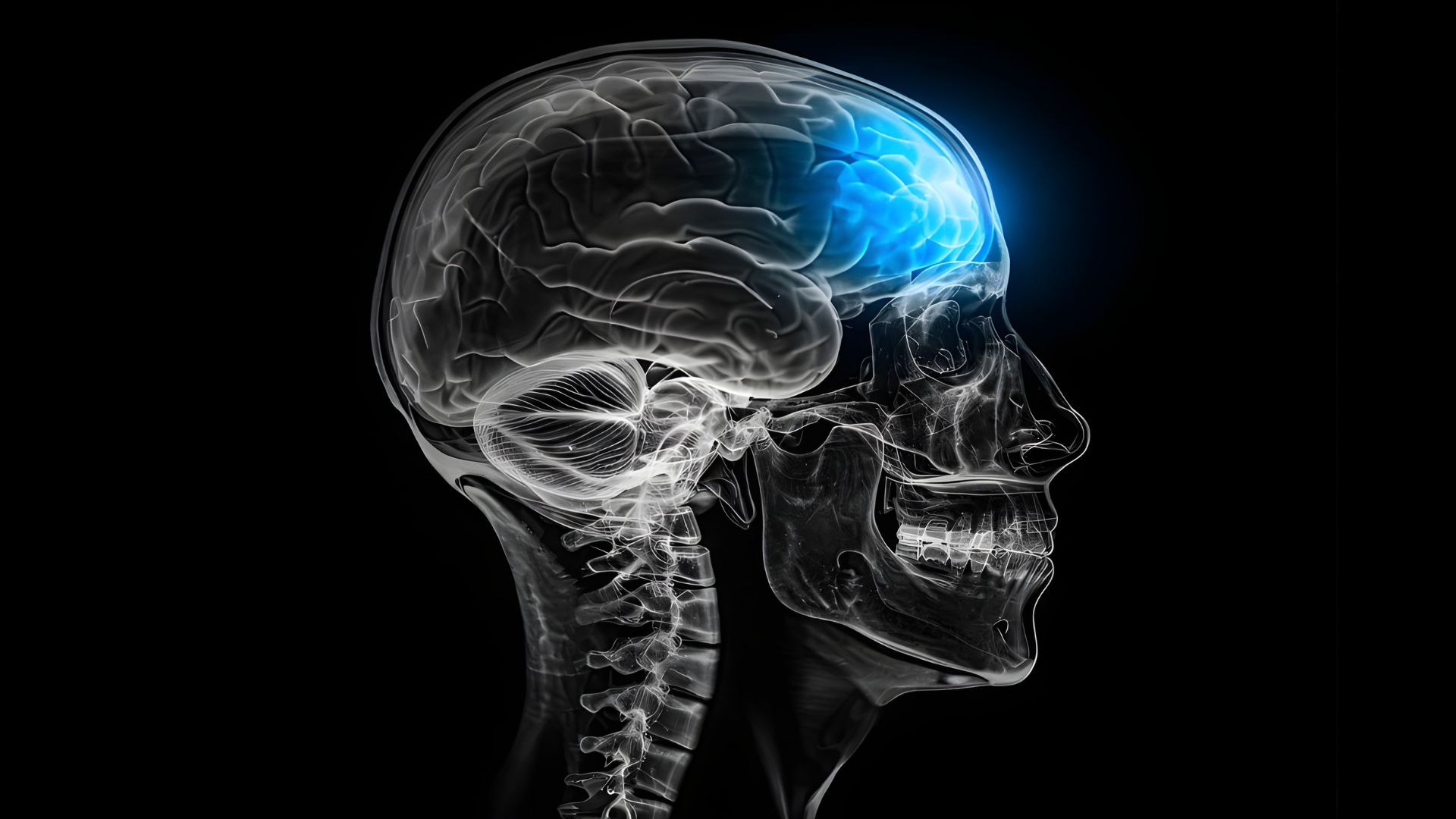
Of course, genetics, lifelong training, and discipline play a role. But one critical factor many overlook is the mind-muscle connection (MMC). Whether it's an Olympic swimmer exploding off the block or a powerlifter attempting a world record deadlift, elite athletes have mastered the ability to consciously connect their brain with each muscle they engage.
While many focus solely on the physical aspects of training, research increasingly highlights the neurological and cognitive dimensions of exercise. What was once considered gym lore is now a scientifically validated phenomenon, with studies showing that a strong mind-muscle connection enhances muscle activation, strength gains, and overall workout effectiveness.
The mind-muscle connection (MMC) is the ability to consciously focus on a specific muscle during an exercise, thereby increasing its recruitment and activation. It’s a neurological process where motor control and sensory feedback loops fine-tune muscle engagement.
Some muscles are easier to connect with than others:
For example:

Neural Drive & Motor Unit Recruitment
Proprioceptive Awareness
Feedback Loops & Real-Time Adjustments

Training alone? You can still use this technique!
For example:

Beyond the gym, ongoing studies explore how the mind-muscle connection can be applied in:
Athletic Performance – Enhanced neuromuscular control is linked to improved coordination and power output.
Physical Rehabilitation – Mind-muscle techniques are showing promising results in injury recovery and physical therapy.
Aging & Longevity – Research suggests maintaining neuromuscular awareness can reduce age-related muscle decline and improve balance in older adults.
Through my own training, I’ve noticed that the days when I’m most in tune with my body are when I see and experience the best results. The mind-muscle connection isn’t just a theory—it’s a science-backed phenomenon that can transform your workouts.
Whether you’re a competitive athlete or just starting your fitness journey, learning to connect with your muscles early on can lead to better progress and fewer injuries!


More Info: At WellPro, we’re building a native AI platform purpose-built to scale the next era of care: personalized, preventative, and data-driven. Our thesis is simple but bold; the future of care delivery will be patient-centered, proactive, longitudinal, and closed-loop. That demands infrastructure that can ingest multi-modal health data, generate insight, drive action, and continuously optimize based on outcomes.
We believe Agentic AI is central to making this vision real. Not just chat interfaces or “co-pilots,” but deeply embedded, goal-driven AI agents that operate within the clinical system itself, helping surface insights at the point of care, automate routine tasks, and ensure closed-loop follow-through on interventions. This isn’t an AI layer on top of legacy systems. It’s a new foundation.
The assistant is still loading. Try again in a moment, or email hello@wellpro.ai.