← Go Back


"Ultra-processed food" has become one of those buzzwords you hear everywhere, in headlines, documentaries, and dinner-table conversations. And for most people, the phrase brings one thing to mind: junk food. Chips, soda, candy. But if you asked them to actually define it, to explain what makes a food ultra-processed rather than just processed, most would struggle. And that's a problem, because the distinction turns out to matter quite a bit, and the category is broader and sneakier than most people realize. Some of the foods people think are healthy, like certain cereals, protein bars, and flavored yogurts, are ultra-processed too. A growing body of research suggests these foods aren't just less nutritious. They appear to change how much we eat and how our bodies respond, in ways that go beyond their calorie or sugar content. Understanding what these foods actually are, how to spot them, and what the evidence shows they do is some of the more useful and clarifying nutrition knowledge out there.
What "Ultra-Processed" Actually Means
Not all processing is bad, and this is where most people get confused. Chopping, freezing, canning, fermenting, and cooking are all forms of processing, and many processed foods are perfectly healthy. Plain frozen vegetables, canned beans, plain yogurt, and cheese are all technically processed, and there's nothing wrong with them.
Ultra-processed is a different category. The most widely used system for classifying this, called NOVA, defines ultra-processed foods as industrial formulations made largely from substances extracted from foods, along with additives you'd rarely if ever find in a home kitchen. Think high-fructose corn syrup, hydrogenated oils, protein isolates, emulsifiers, artificial flavors, and stabilizers. These are less "food that's been prepared" and more "products engineered from food-derived ingredients."
Here's the part that surprises people. Ultra-processed doesn't just mean obvious junk food. Plenty of items marketed as healthy fall into this category too: many breakfast cereals, protein and granola bars, flavored yogurts, plant-based meat substitutes, packaged breads, and lots of "diet" or "low-fat" products. The defining feature isn't how unhealthy a food looks or tastes, but how it's made.
What Makes These Foods Different
For a long time, the concern about ultra-processed foods came from observing large groups of people: those who ate more of these foods tended to have worse health. But that kind of observation alone can't prove the food itself is the cause, since people who eat more ultra-processed food might differ in other ways.
What moved the conversation forward was more controlled research that could isolate the effect of processing itself. In carefully designed studies, people have been given diets built around ultra-processed foods and, at other times, diets built around minimally processed foods, with the two matched for calories, sugar, fat, fiber, and macronutrients. On paper, nutritionally equivalent.
The findings have been striking. When eating the ultra-processed diet, people tend to consume noticeably more calories, several hundred more per day in some cases, and gain weight, even though they could eat as much or as little as they wanted on both. Same nutrition on paper, different outcome. This kind of result points to something important: it's not just the calories or sugar in these foods, but something about the processing itself that seems to drive people to eat more. It's part of why ultra-processed foods have gone from a vague worry to a serious focus of nutrition science.
Why These Foods Are So Easy to Overeat
If the processing itself matters, the natural question is why. Researchers have several leading explanations, and they likely work together.
They're engineered to be irresistible. Ultra-processed foods are often carefully designed to hit the ideal combination of salt, sugar, fat, and texture that makes them extremely pleasurable and easy to keep eating. They're built to override the point where you'd normally feel satisfied.
They're easy to eat fast. Many are energy-dense and require little chewing, so you can take in a lot of calories quickly, often before your body's fullness signals have a chance to catch up. Eating that fast may also mean your gut and hormonal "I've had enough" signals don't kick in until you've already overeaten.
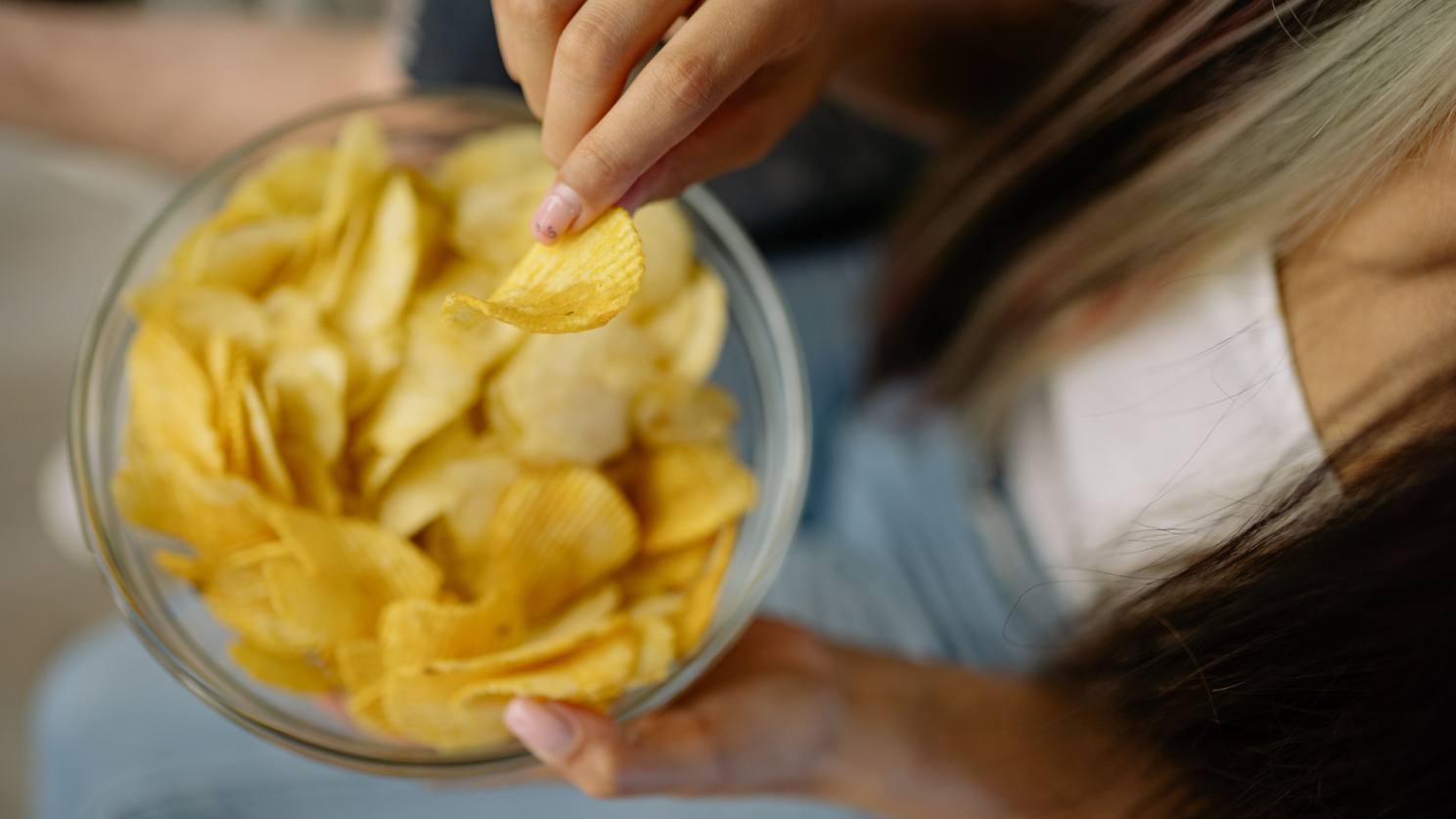
They're low in fiber and protein relative to calories. Both fiber and protein promote fullness, and ultra-processed foods often deliver a lot of calories with relatively little of either.
What This May Mean for Long-Term Health
Beyond overeating, large-scale research has linked diets high in ultra-processed foods to a range of health concerns. Reviews pooling together studies covering millions of people have found associations between higher ultra-processed food intake and increased risk of cardiovascular disease, type 2 diabetes, and higher overall mortality, along with links to conditions like anxiety and metabolic problems.
It's important to read this evidence accurately. Much of it is observational, meaning it shows strong associations rather than airtight proof of cause for every outcome, and the certainty is stronger for some conditions than others. But the pattern is remarkably consistent across large populations, and combined with what controlled research shows about overeating, it paints a credible picture: a diet dominated by ultra-processed foods appears to work against your health in several ways at once.
Part of the problem is also what these foods crowd out. When most of your calories come from ultra-processed products, you're usually getting fewer of the whole foods, and the fiber and micronutrients they provide, that support health. It's a double hit: more of what may harm, less of what helps.
How to Cut Back Without Being Extreme
The goal here isn't perfection or fear. Ultra-processed foods are woven into modern life, and an occasional treat isn't the issue. The issue is when these foods dominate your diet. The aim is simply to shift the balance toward whole and minimally processed foods more often. A few practical approaches help.
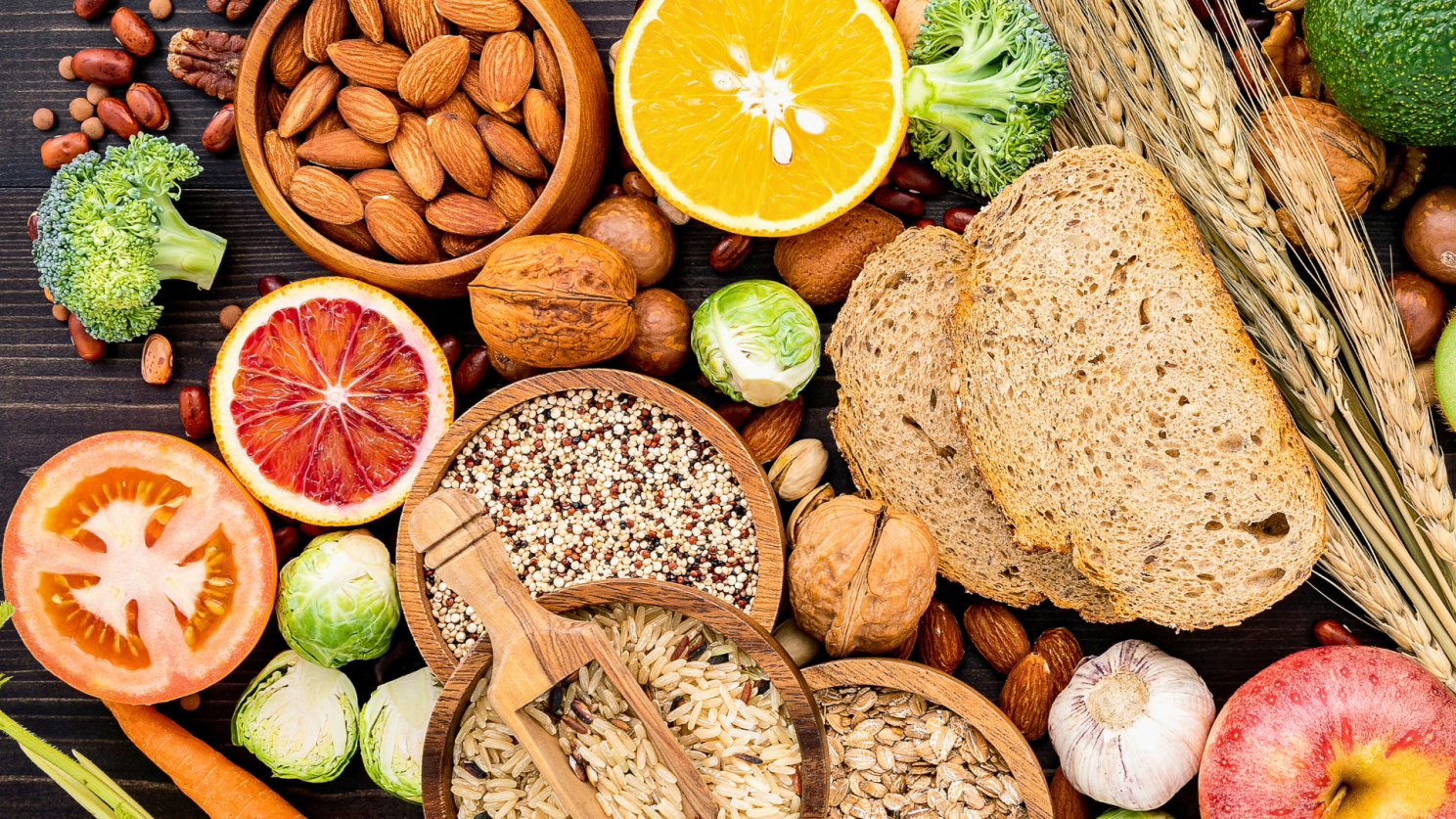
Build meals around whole foods. Center your plate on vegetables, fruits, quality proteins, legumes, whole grains, nuts, and seeds. When these make up most of your diet, ultra-processed foods naturally take up less room.
Read ingredient lists, not just nutrition labels. A long list of unfamiliar, unpronounceable ingredients, or things like high-fructose corn syrup, hydrogenated oils, and various additives, is a good sign a food is ultra-processed. Shorter, recognizable ingredient lists are generally a better bet.
Watch the "health halo" products. Remember that many foods marketed as healthy are still ultra-processed. Don't assume a protein bar or a plant-based nugget is a whole food just because the packaging suggests wellness.
Cook a little more often. You don't need to become a gourmet chef. Even simple home cooking naturally shifts you toward less processed ingredients and gives you more control over what you eat.
Make it easier to choose well. Keep whole-food snacks within reach and ultra-processed ones less convenient. A lot of eating is driven by what's easy in the moment, so setting up your environment does a lot of the work for you.
Awareness Is Your Advantage
Ultra-processed foods aren't poison, and this isn't about guilt over a bag of chips. But they are a genuinely different category from the whole and minimally processed foods humans evolved eating. And the evidence increasingly suggests that when they dominate a diet, they can drive overeating and quietly work against your long-term health.
The good news is that you don't need to track every bite or follow a rigid set of diet rules. Simply understanding what ultra-processed foods are, recognizing them even when they're dressed up as healthy, and gradually shifting more of your diet toward whole foods can make a meaningful difference. In a food environment designed to get you to eat more, that awareness is genuinely powerful, and it puts the choice back in your hands!

The assistant is still loading. Try again in a moment, or email hello@wellpro.ai.