← Go Back


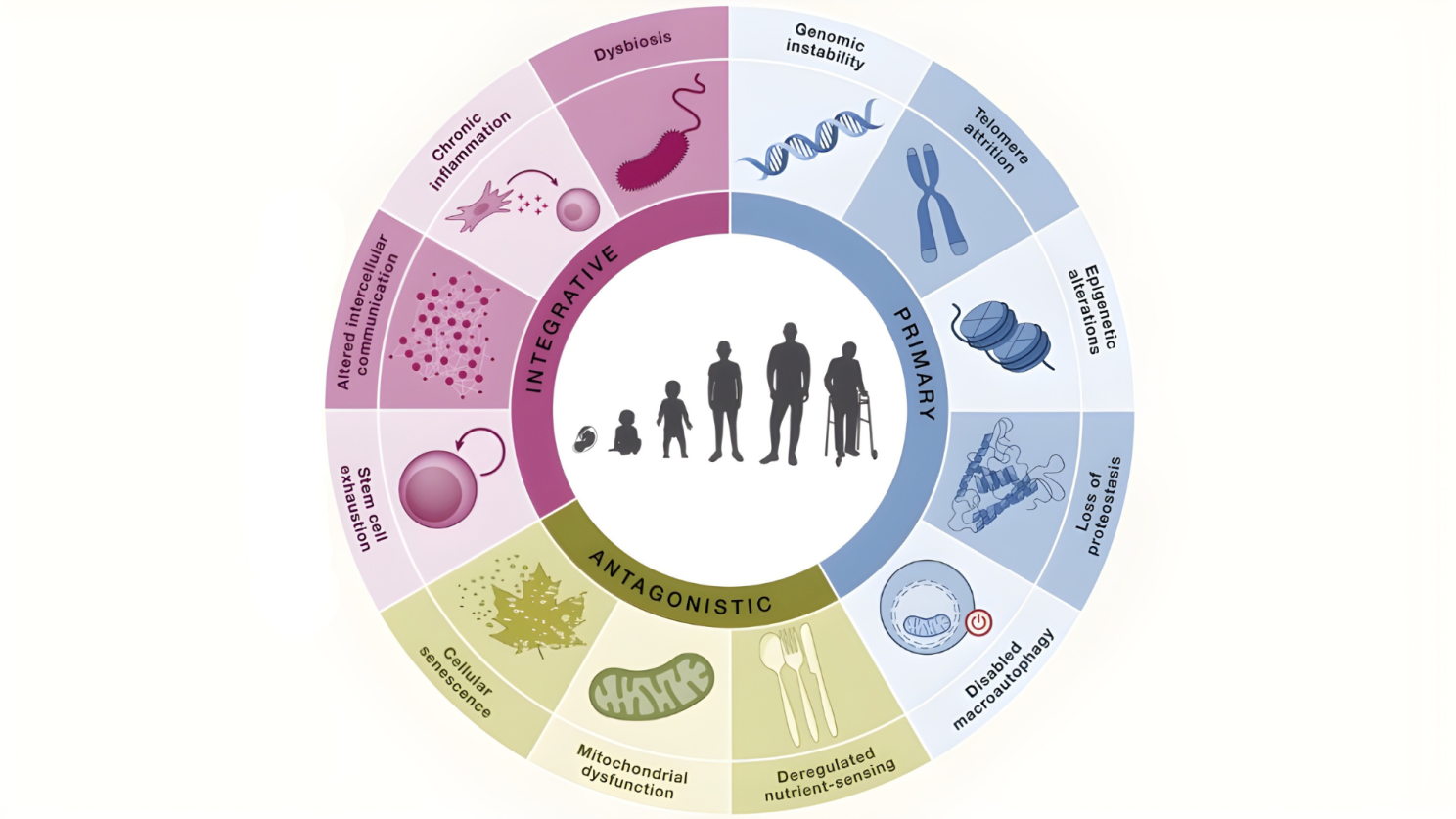
Aging is often treated as a single, unavoidable process. You get older, things gradually decline, and there's not much you can do beyond the basics. But science is now telling a very different story. In 2013, a landmark paper published in the journal Cell identified nine specific biological processes that drive aging at the cellular and molecular level. In 2023, the same researchers expanded that framework to twelve. These aren't vague theories any more, but are measurable, interconnected mechanisms that may help determine how quickly your body deteriorates over time. They're called the hallmarks of aging, and they've fundamentally changed how scientists understand why we age. Rather than a single inevitable decline, aging is now understood as the result of twelve interconnected processes happening simultaneously inside your body.
What Are the Hallmarks of Aging?
The hallmarks of aging are the specific biological processes that researchers have identified as the core drivers of aging across virtually all living organisms. Each hallmark meets three criteria: it gets worse with age, accelerating it experimentally speeds up aging, and intervening on it can slow or even partially reverse aspects of aging. No single hallmark acts alone. They interact with and amplify each other, which is why aging affects so many systems at once.
1. Genomic Instability
Your DNA is constantly being damaged by normal metabolic processes, environmental exposures, and errors during cell division. Your body has sophisticated repair systems to fix this damage, but over time, these repair mechanisms become less efficient. As unrepaired damage accumulates, cells begin to malfunction, produce faulty proteins, or become cancerous. Genomic instability is considered one of the primary upstream drivers of aging because it can set off a chain of downstream consequences across many of the other hallmarks.
2. Telomere Attrition
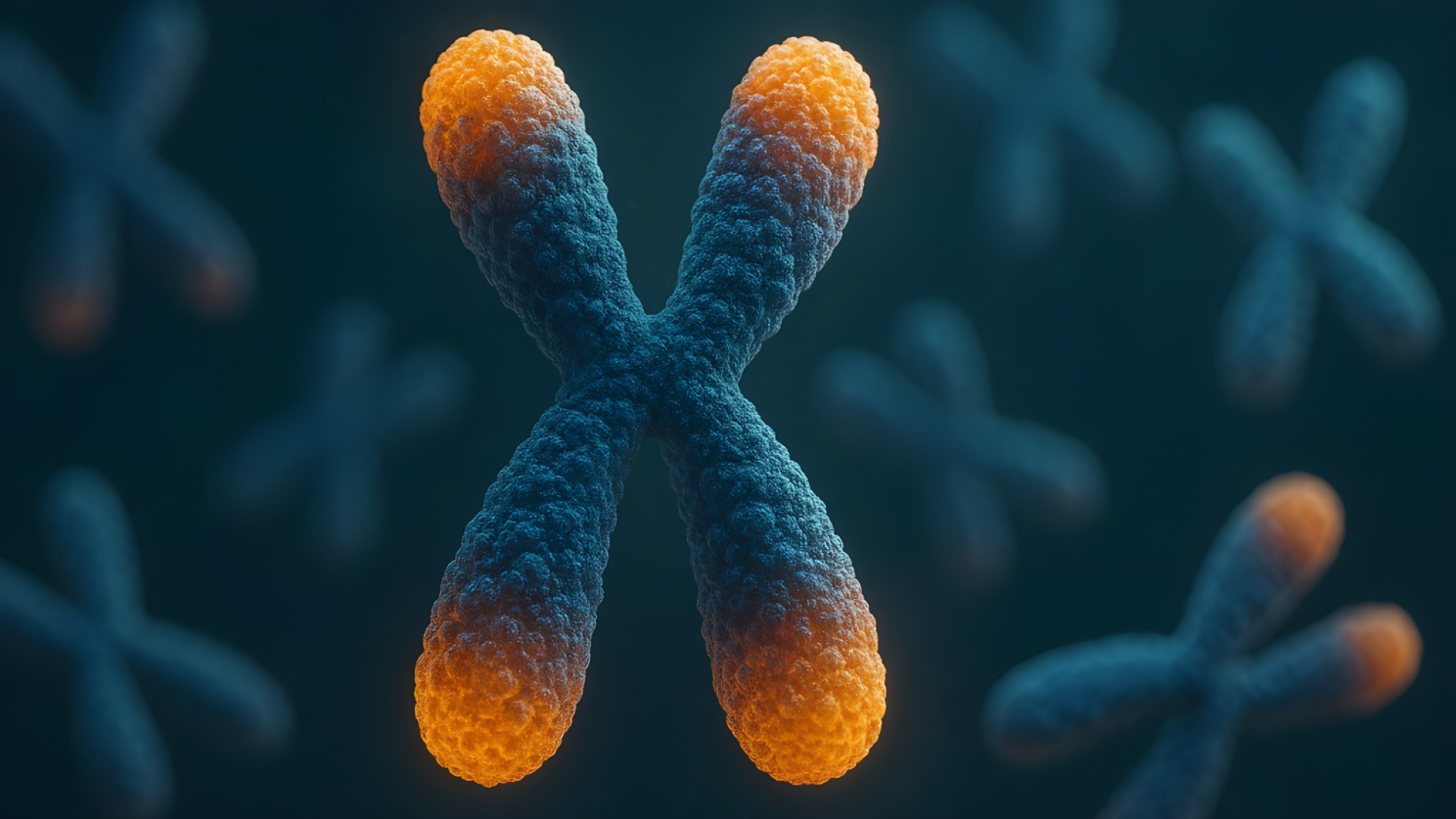
Telomeres are the protective caps on the ends of your chromosomes, often compared to the plastic tips on shoelaces that prevent them from fraying. Every time a cell divides, its telomeres get slightly shorter. When they become critically short, the cell can no longer divide safely and either stops functioning (becomes senescent) or dies. Telomere shortening has been associated with accelerated biological aging and increased risk of age-related diseases. Lifestyle factors like chronic stress, poor sleep, sedentary behavior, and smoking tend to accelerate telomere shortening, while regular exercise, quality sleep, and a nutrient-rich diet may help slow it.
3. Epigenetic Alterations
Your genes don't change as you age, but which genes are turned on and off does. Epigenetics refers to the chemical modifications that control gene expression without altering your DNA sequence. Over time, these patterns drift, causing genes that should be active to become silenced and genes that should be silent to become active. This epigenetic drift contributes to cellular dysfunction and is now one of the most widely used methods for measuring biological age through DNA methylation clocks (tests that analyze chemical markers on your DNA to estimate how old your body is biologically, regardless of your actual age). Research suggests that lifestyle factors including diet, exercise, sleep, and stress management may influence epigenetic patterns.
4. Loss of Proteostasis
Your cells constantly produce, assemble, and recycle proteins. Proteins need to be folded into precise three-dimensional shapes to function properly, similar to how origami paper must be folded exactly right to become the intended structure. Proteostasis (protein homeostasis) is the system that ensures proteins are properly made, correctly shaped, and efficiently removed when damaged. As you age, this system becomes less effective. When proteins aren't folded correctly, they can clump together and accumulate inside cells, impairing their function and contributing to diseases like Alzheimer's (where beta-amyloid plaques build up) and Parkinson's. Supporting proteostasis through adequate sleep, regular exercise, and periodic fasting (which may stimulate protein recycling) are areas of active research.
5. Disabled Macroautophagy
Autophagy is your cells' built-in recycling system. It breaks down and removes damaged organelles, dysfunctional proteins, and cellular debris so that the raw materials can be reused. When autophagy functions well, your cells stay clean and efficient. As you age, autophagic activity declines, allowing cellular waste to accumulate. This can contribute to inflammation, impaired cell function, and increased vulnerability to disease. Things like fasting, exercise, and certain dietary compounds have been shown to stimulate autophagy, though the optimal strategies for humans are still being studied.
6. Deregulated Nutrient Sensing
Your body has sophisticated nutrient-sensing pathways that detect how much energy is available and adjust cellular behavior accordingly. Key pathways include mTOR (mechanistic target of rapamycin, a protein complex that acts as a master regulator of cell growth, promoting growth and energy storage when nutrients are abundant), AMPK (which activates repair and energy production when nutrients are scarce), and insulin/IGF-1 signaling (the pathway through which insulin and insulin-like growth factor 1 regulate how your cells use glucose and respond to growth signals). As you age, these sensors can become miscalibrated, often staying in "growth mode" even when the body would benefit from repair and maintenance. This deregulation has been linked to accelerated aging, metabolic dysfunction, and increased disease risk. Caloric restriction, fasting, and exercise appear to help recalibrate these pathways by activating repair-oriented signaling.
7. Mitochondrial Dysfunction
Mitochondria are the structures inside your cells that produce energy in the form of ATP. Every process in your body, from muscle contraction to brain function, depends on mitochondrial energy production. As you age, mitochondria can become less efficient, producing less energy and generating more reactive oxygen species (unstable molecules that can damage cells). This decline in mitochondrial function may contribute to fatigue, reduced exercise capacity, cognitive decline, and increased vulnerability to metabolic and neurodegenerative diseases. Exercise, particularly aerobic and high-intensity interval training, has been shown to be one of the most effective ways to support mitochondrial health.
8. Cellular Senescence
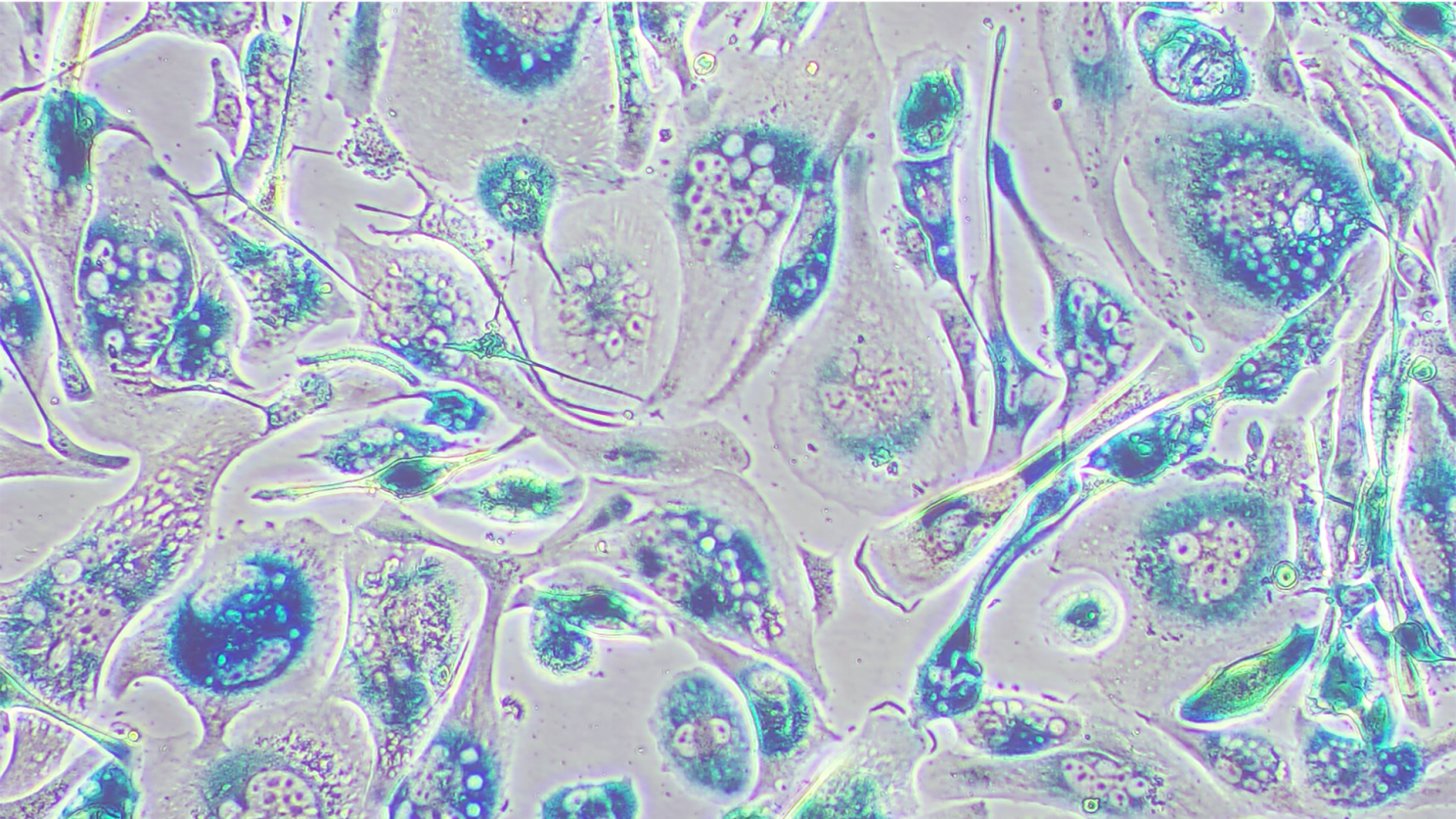
As cells accumulate damage over time, some enter a state called senescence where they stop dividing but don't die. These "zombie cells" remain in your tissues and secrete inflammatory molecules that can damage surrounding healthy cells. In small numbers, senescent cells play a role in wound healing and tissue repair. But as they accumulate with age, they may contribute to chronic inflammation, tissue dysfunction, and accelerated aging. Research into senolytics (drugs that selectively clear senescent cells) is a very active area in aging science, though practical applications for humans are still in early stages.
9. Stem Cell Exhaustion
Your body maintains pools of stem cells that replenish and repair tissues throughout your life. As you age, these stem cell populations tend to decline in both number and function. This means your body becomes progressively less able to repair damaged tissue, regenerate cells, and maintain organ function. Stem cell exhaustion may contribute to slower wound healing, declining immune function, muscle loss, and reduced regenerative capacity across virtually every organ system. Exercise, adequate nutrition, and quality sleep all appear to support stem cell maintenance, though the research is still evolving.
10. Altered Intercellular Communication
Your cells communicate constantly through chemical signals including hormones, cytokines (small proteins released by cells that act as messengers to coordinate immune and inflammatory responses), and neurotransmitters (chemical messengers that transmit signals between nerve cells). As you age, this communication can become less precise. Pro-inflammatory signals tend to increase while regenerative and protective signals decline. This shift, sometimes called "inflammaging," can create a chronic low-grade inflammatory environment that damages tissues and accelerates the progression of other hallmarks. Supporting healthy intercellular communication involves reducing sources of chronic inflammation through regular movement, stress management, quality sleep, and an anti-inflammatory diet.
11. Chronic Inflammation
While inflammation is a normal and necessary immune response, chronic low-grade inflammation is now recognized as a standalone hallmark of aging. This type of inflammation persists without a specific infection or injury and can gradually damage tissues throughout the body. It has been linked to cardiovascular disease, neurodegeneration, metabolic disorders, and cancer. Chronic inflammation both drives and is driven by many of the other hallmarks, making it one of the most interconnected processes on this list. Diet quality, exercise, sleep, stress management, and gut health may all play roles in helping to modulate inflammatory levels, and research continues to explore the most effective strategies.
12. Dysbiosis
Your gut is home to trillions of microorganisms that collectively make up your gut microbiome. What many people don't realize is that this microbiome influences far more than digestion. It plays a role in immune function, inflammation, nutrient absorption, and even brain health. Dysbiosis refers to the imbalance or decline of this microbial community, and as you age, microbial diversity tends to decrease while the balance between beneficial and harmful bacteria can shift. This decline can have far-reaching consequences across multiple systems. Maintaining microbial diversity through a fiber-rich diet, fermented foods, minimizing unnecessary antibiotic use, and regular physical activity may help support a healthier gut microbiome as you age.
This overview is just scratching the surface of each hallmark, but understanding the framework itself is valuable. Until relatively recently, science didn't have a clear way to explain the specific biological mechanisms behind aging. The hallmarks of aging offer what may be our most comprehensive framework yet for understanding what appears to be happening inside your body as you age. Rather than vague advice to "live healthier," this framework identifies specific biological processes that appear to drive aging, how they may interact with each other, and which ones seem to respond to intervention.
What's particularly striking is how many of the same lifestyle factors show up across multiple hallmarks. For example, regular exercise may help support mitochondrial function, autophagy, stem cell maintenance, inflammation regulation, nutrient sensing, and telomere length. Quality sleep appears to support proteostasis, epigenetic stability, immune regulation, and cellular repair. A nutrient-dense diet rich in fiber and omega-3s may support gut microbiome diversity, help reduce inflammation, and provide the building blocks for DNA repair and protein maintenance.
This is not a coincidence. It may be why these foundational habits consistently appear in longevity research. They don't just target one hallmark. They appear to influence many of them simultaneously.
The hallmarks of aging reveal that aging isn't a single process you're powerless against. It's twelve interconnected biological mechanisms, each of which contributes to the gradual decline in function that most people experience over time. Some of these processes may be more modifiable than others, but the research suggests that lifestyle factors including exercise, nutrition, sleep, stress management, and gut health can play meaningful roles across multiple hallmarks.
Understanding the hallmarks doesn't give you a magic solution to aging. But it does give you a framework for understanding why the choices you make every day may matter at the cellular level. The science of aging is still evolving, but the foundation is already here, and much of it points back to the same simple truth: how you live directly influences how you age!


The assistant is still loading. Try again in a moment, or email hello@wellpro.ai.