← Go Back


Think about the last time you sat down to do something that required real focus and actually did it without interruption for hours. For most people, that memory is harder to find than it should be. Not because focus is impossible, but because the conditions for sustained attention have quietly become eroded.
Your brain is extraordinarily capable. It can solve complex problems, learn new skills, regulate emotions, navigate social situations, and store decades of memories. But it was not designed for the environment most of us now live in. It was not built for a world where attention is interrupted every few minutes by notifications, messages, and the gravitational pull of a phone sitting face-up on the desk. Phones buzz. Tabs accumulate. Emails arrive...
Each interruption feels minor in the moment, but the cognitive cost is significantly higher than most people realize. Your brain doesn't just pause and resume when you're interrupted. It has to actively disengage from one task and re-engage with another, and that process takes time, energy, and mental resources that add up throughout the day. When you place a brain built for sustained, sequential attention inside an environment optimized for constant interruption, something breaks down. Not immediately and not dramatically, but gradually and in ways that affect how clearly you think, how well you learn, how effectively you work, and how mentally depleted you feel at the end of the day.
This fragmentation of attention isn't just an inconvenience. It's a pattern that changes how your brain functions over time, and it has a name: attention fragmentation.
Attention fragmentation describes the state of having your focus repeatedly broken and redirected before it can settle deeply into any single task. It's different from simply being busy or having a lot to do. You can be extremely busy and still maintain focused attention. Attention fragmentation is specifically about the pattern of constant switching and the inability to sustain attention on one thing without being pulled away.
There are two main types of attention worth understanding. The first is focused attention, which is the ability to direct your full cognitive resources toward a single task for an extended period. This is the kind of attention required for deep work, learning something complex, or solving a challenging problem. The second is divided attention, which is the attempt to process multiple streams of information simultaneously. This is what happens when you try to listen to a podcast while answering emails or have a conversation while scrolling your phone. Your brain has limited capacity for both, but focused attention is especially sensitive. It requires uninterrupted time to fully engage, and constant interruption simply prevents it from happening.
When attention is fragmented throughout the day, your brain spends most of its time in a shallow processing mode where information is being received and acted on but not deeply encoded, integrated, or understood. Deep thinking, creative problem-solving, meaningful learning, and high-quality decision-making all require sustained focus, and they simply cannot happen in a fragmented attentional state.
The prefrontal cortex (the region of your brain responsible for focus, planning, decision-making, and executive function) requires a period of engagement to reach peak performance on any given task. When you're first starting something, your brain is warming up, pulling relevant information into working memory and establishing the cognitive framework for the task. This process takes time, typically several minutes of uninterrupted engagement before true deep focus is achieved.
When an interruption occurs before that state is fully reached, your brain has to start the process all over again. Research suggests it can take an average of around 20 minutes to fully regain deep focus after a significant interruption. In a typical workday filled with notifications, messages, and context switches, many people can never truly reach deep focus at all.
This is compounded by a phenomenon researchers call attention residue. When you switch from one task to another, part of your cognitive bandwidth remains attached to the previous task, still processing it in the background. This residue reduces the mental resources available for the current task and contributes to the mental fatigue many people feel by mid-afternoon, even when they haven't done anything physically demanding. I'm sure many of you have experienced this. For example, you read an email that stresses you out, then move on to your next task, but part of your mind is still processing that email in the background. Even though you've moved on physically, the cognitive residue is still there, quietly using up mental resources.
Chronic attention fragmentation doesn't just affect performance in the moment. Research suggests it may produce lasting changes in how the brain processes information.
Sustained deep focus activates the prefrontal cortex in ways that shallow, fragmented attention does not. When deep focus is rarely achieved, the neural pathways that support it can then start to weaken over time, making it progressively harder to sustain attention even when you genuinely want to. This may help explain why many people report that their ability to read a long article, sit through a film without checking their phone, or concentrate on a single task for an extended period has declined over recent years.
Chronic attention fragmentation has also been associated with increased cortisol levels and a heightened stress response. The constant cognitive switching keeps the nervous system in a low-level alert state, which over time contributes to anxiety, irritability, mental fatigue, and reduced cognitive resilience. Short-form content like reels and shorts may amplify this effect, as the rapid-fire, dopamine-driven format trains your brain to expect novelty every few seconds, making it even harder to engage with anything that requires more sustained attention.
Working memory (the system your brain uses to hold and manipulate information in the moment) is also vulnerable. When attention is constantly divided, working memory becomes overloaded, reducing your ability to hold complex thoughts, make connections between ideas, and think clearly under pressure.
Smartphones and Notifications: The smartphone may be the single most significant driver of attention fragmentation in modern life. The average person checks their phone dozens of times per day, often without a clear intention to do so. Notifications create an expectation of interruption that trains your brain to anticipate being pulled away, making sustained focus harder even when your phone is present but silent.
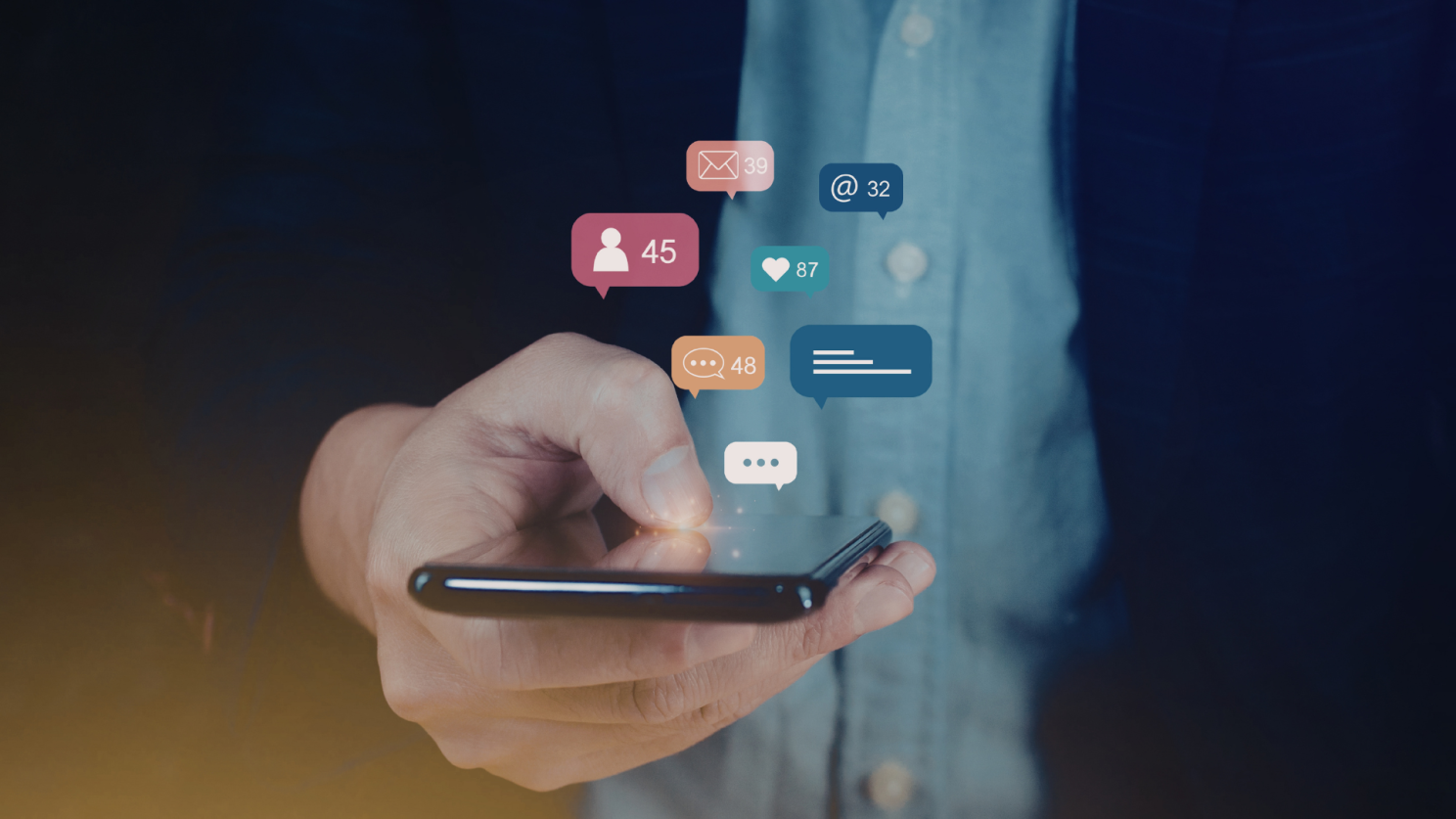
Constant Availability: Workplace environments that prioritize constant availability, whether through open offices, messaging platforms, or email, often create conditions for attention fragmentation. When responding quickly is culturally expected, sustained uninterrupted work becomes extremely difficult to achieve.
Multitasking Culture: The widespread belief that multitasking is a productivity strategy has contributed significantly to attention fragmentation. Research consistently shows that what most people call multitasking is actually rapid task-switching, and it degrades performance on each individual task while consuming significantly more mental energy than focusing on one task at a time.
The Reward Loop: Social media and many digital platforms are designed to exploit the brain's novelty-seeking tendencies. Each new notification, message, or post triggers a small dopamine response that reinforces the habit of checking. Over time, this creates a pattern where the brain begins to seek interruption rather than resist it.
Create Interruption-Free Work Periods: Designate specific blocks of time for focused, single-task work with all notifications silenced and your phone out of sight. Even 60 to 90-minute focused work blocks, separated by intentional breaks, can significantly improve cognitive output compared to a day of constant switching. Pomodoro timers can also be a great tool for this. There are physical pomodoro timers available that let you see the time visibly counting down, which can create a stronger sense of commitment to the block of focused work and reduce the temptation to interrupt yourself.
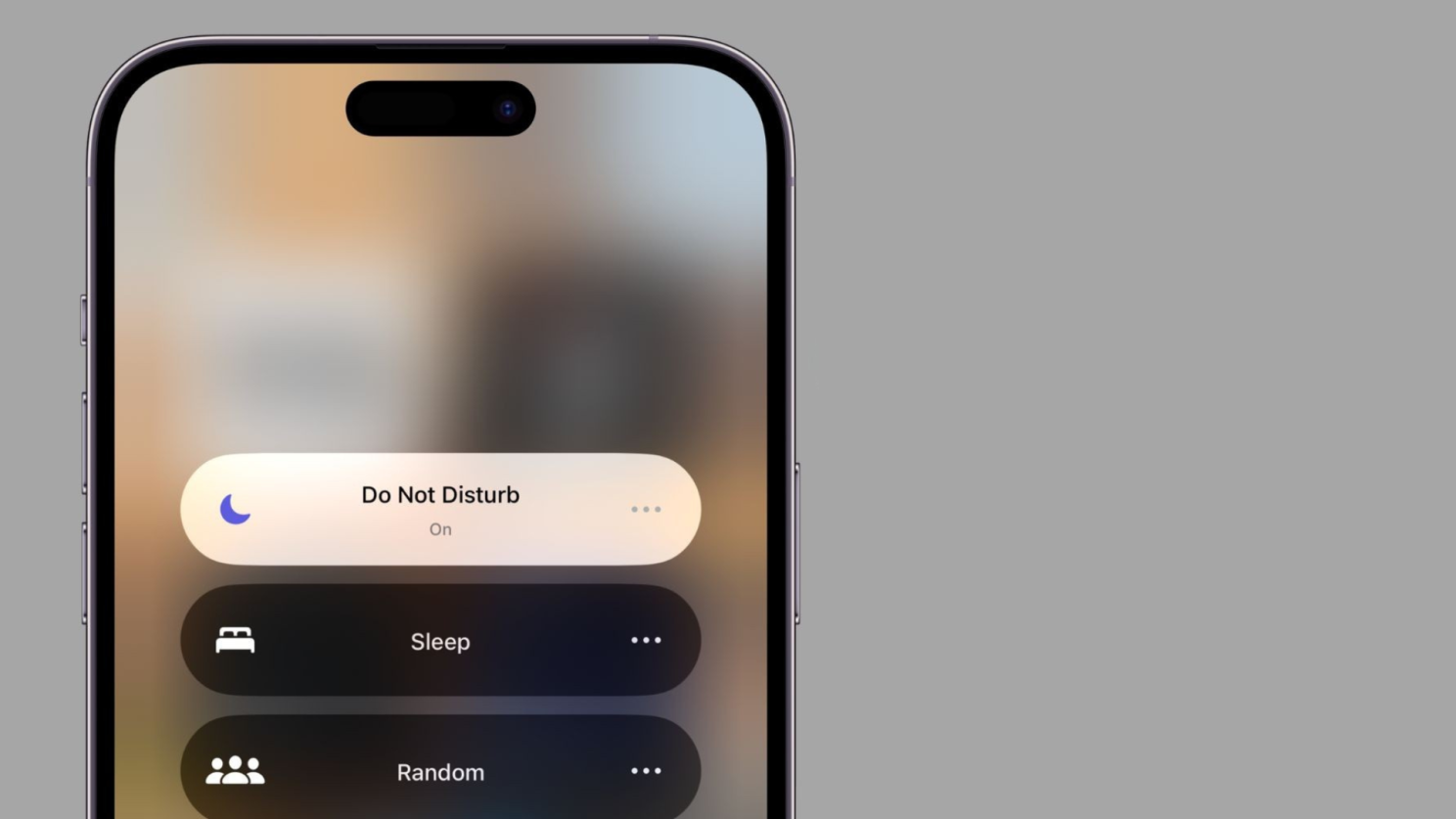
Manage Notifications Deliberately: Rather than allowing notifications to interrupt you throughout the day, consider checking messages and email at designated times. This shifts you from a reactive mode (responding to whatever arrives) to a proactive one (deciding when to engage). Most things that feel urgent in the moment are not actually urgent. Turning on do not disturb during focused work or setting up custom focus modes on your phone that only allow notifications from specific people can also help protect your attention without cutting you off completely from anything important.
Remove Visual Cues: Research has shown that simply having your phone visible on a desk, even face-down and silent, reduces available cognitive capacity. Removing your phone from your visual field during focused work may help protect your attention.
Practice Single-Tasking: Deliberately practicing doing one thing at a time, including during low-stakes activities like eating, walking, or having a conversation, helps train the attentional systems your brain uses for focused work. Single-tasking is a skill, and like any skill, it can be strengthened or weakened depending on how consistently it's practiced.
Protect Transitions: The periods between tasks are particularly vulnerable to fragmentation. Rather than immediately reaching for your phone or opening another tab when finishing something (like during the breaks in a pomodoro timer), pause briefly before moving to the next task. This brief mental reset can reduce attention residue and help you re-engage more fully with what comes next. This is also a great time to have a guitar nearby, a book within reach, or something else that's mentally engaging but more rewarding than scrolling through your phone.

Reduce the Reward Loop: Being intentional about which apps you give your attention to (and when) can help weaken the dopamine-driven checking habit that keeps fragmentation going. This doesn't mean that you need to eliminate technology. It just means being intentional about the terms on which you engage with it.
Sleep: Quality sleep is one of the most important factors for your ability to focus. The prefrontal cortex is particularly sensitive to sleep deprivation, and even mild sleep restriction can measurably reduce the ability to sustain focus and resist distraction. Protecting sleep is one of the most effective things you can do for your attention.
The ability to focus deeply on one thing for an extended period is increasingly rare, and increasingly valuable. It's the cognitive state in which your best thinking happens, your most meaningful work gets done, and your brain actually processes and integrates experience rather than just reacting to it.
Attention fragmentation isn’t inevitable. It’s often the result of an environment filled with constant interruptions, and many of those interruptions can be reduced with simple, intentional changes to how you structure your day. Our bodies adapt quickly, and your brain is still capable of deep, sustained focus... It just needs the right conditions to get there!

The assistant is still loading. Try again in a moment, or email hello@wellpro.ai.