← Go Back


120 over 80. Most people have heard a blood pressure reading spoken this way, but few know what those two numbers actually represent, or why the relationship between them matters. We track all kinds of things about our health: our weight, our steps, our sleep. But one of the most powerful predictors of long-term health is a number most people only encounter once a year at the doctor's office and rarely think about otherwise. It's a simple measurement, but it reflects something profound: how much force your blood puts on your artery walls, and how hard your cardiovascular system is working every moment of every day. When it's persistently high, it becomes one of the leading risk factors for heart disease, stroke, and other serious conditions worldwide. Yet because it typically causes no symptoms, it's easy to overlook until a problem arises. Understanding what your blood pressure means, and how much you can influence it, is one of the most valuable things you can learn about your health.
Blood pressure is the force of your blood pushing against the walls of your arteries as your heart pumps it through your body. Every time your heart beats, it pushes blood out into your arteries, and that surge creates pressure. Between beats, when your heart briefly relaxes and refills, the pressure eases. This constant rhythm of push and rest is happening every second of your life, and blood pressure captures both parts of it.
That's why a reading has two numbers. The first, or top, number is your systolic pressure, the force in your arteries when your heart contracts and pushes blood out. The second, or bottom, number is your diastolic pressure, the force when your heart relaxes between beats. So a reading of 120 over 80 means a systolic pressure of 120 and a diastolic pressure of 80, measured in millimeters of mercury (written as mmHg).
Both numbers matter. For years, the systolic number received most of the attention, particularly for older adults, but research has made clear that elevated diastolic pressure carries risk too. Together, they give a fuller picture of what's happening in your cardiovascular system.
Blood pressure categories have been refined over time as evidence has grown. Generally, a normal reading is considered to be below 120 over 80. Readings slightly above that are often labeled elevated, and higher still falls into the ranges described as hypertension, or high blood pressure.
One of the more surprising findings from large studies is that cardiovascular risk doesn't suddenly switch on at a particular number. Instead, it rises gradually as blood pressure climbs. Research on very large groups of people has found that this increase in risk is steady and continuous, beginning even within what many would consider a fairly normal range. This doesn't mean a reading in the normal range is cause for worry. It simply means that, across populations, lower tends to be better within a healthy range, and that there's no single number where risk abruptly begins.
It's worth noting that a single high reading doesn't necessarily mean you have high blood pressure. Blood pressure naturally fluctuates throughout the day, and factors like stress, caffeine, or even the anxiety of being at a doctor's office (sometimes called "white coat" hypertension) can temporarily raise it. This is why diagnosis is typically based on multiple readings over time rather than a single measurement.

The reason blood pressure receives so much attention is that, when persistently elevated, it quietly damages the body over time. The extra force places strain on your arteries, causing them to stiffen and narrow. This in turn makes the heart work harder and can accelerate the buildup of plaque.
Over years, this contributes to some of the most serious health conditions there are. Studies have consistently shown that higher blood pressure is associated with an increased risk of a wide range of cardiovascular diseases, including heart attack, stroke, heart failure, and more. High blood pressure is also a major contributor to kidney disease and has been linked to cognitive decline, because the same vascular damage that affects the heart can affect the brain.
What makes this especially important is that it typically happens without symptoms. Many people feel completely normal while their blood pressure is elevated, which is why high blood pressure is often called a "silent" condition. The absence of a warning sign is precisely what makes regular measurement so valuable.
Blood pressure is shaped by a mix of factors, some outside your control and many within it. Age tends to raise it, as arteries naturally stiffen over time. Genetics and family history play a role, and so do certain medical conditions. But a substantial portion of what determines blood pressure comes down to how you live, which means many of the factors that push it upward are ones you can influence.
Several things in particular have been associated with higher blood pressure:
Too much sodium, too little potassium. Diets very high in sodium have been associated with higher blood pressure in many people, particularly those who are salt-sensitive. Potassium, found in foods like leafy greens, beans, and bananas, tends to have the opposite effect, so a diet low in potassium can work against you. The balance between the two matters.
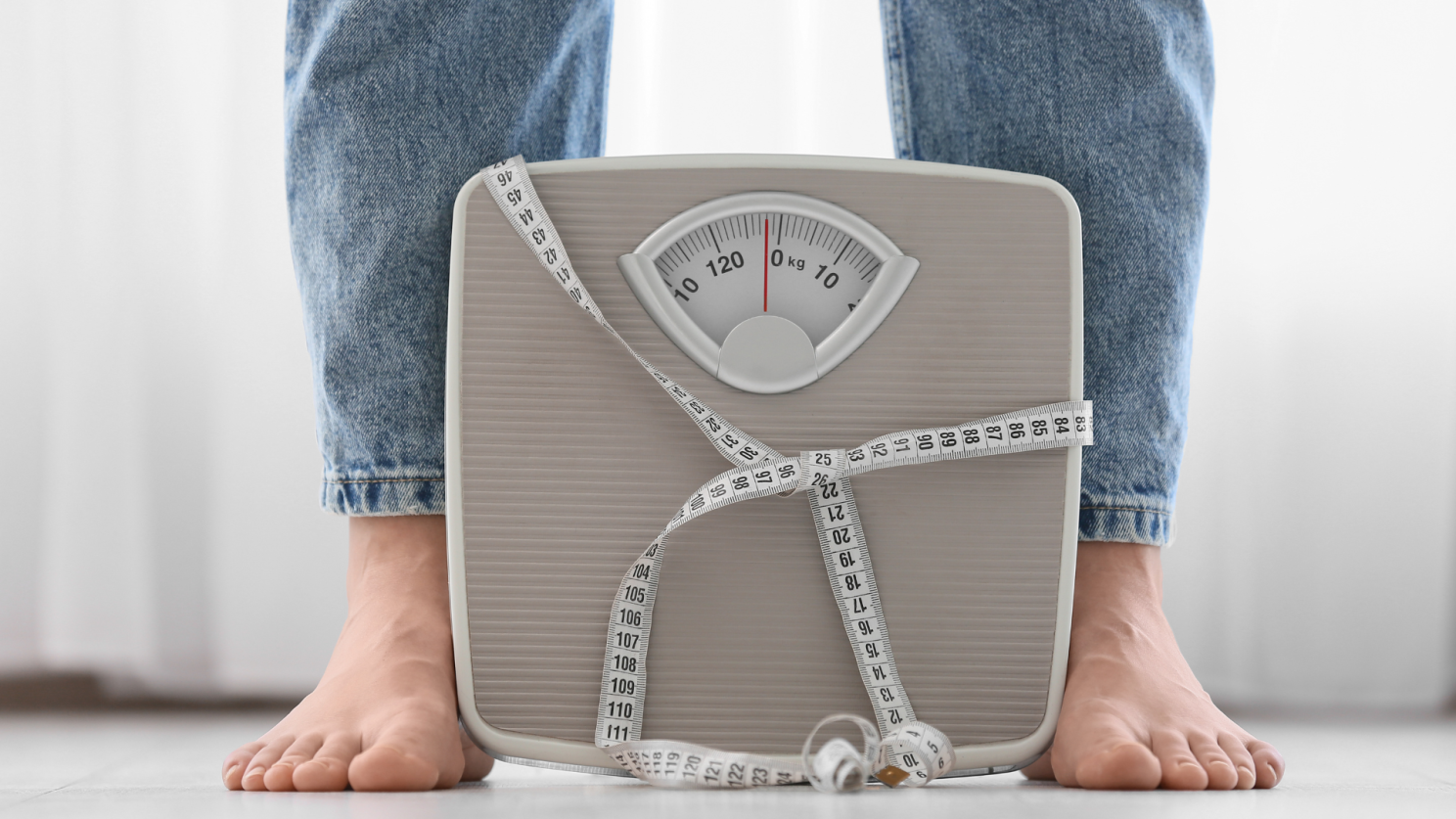
Excess weight. Carrying extra weight, particularly around the midsection, tends to raise blood pressure over time.
A sedentary lifestyle. When the heart and blood vessels aren't regularly challenged by movement, blood pressure tends to be higher.
Excessive alcohol and, for some, caffeine. Heavy alcohol intake has been associated with higher blood pressure, and caffeine can cause temporary spikes in some people.
Chronic stress and poor sleep. Both can contribute to elevated blood pressure, and conditions like sleep apnea are strongly associated with hypertension.
The encouraging reality is that blood pressure is one of the most responsive health markers there is. Lifestyle changes can produce measurable effects, sometimes surprisingly quickly. Some of the most effective approaches include:
Follow a blood-pressure-friendly eating pattern. The DASH approach (Dietary Approaches to Stop Hypertension) is one of the best-studied. It emphasizes fruits, vegetables, whole grains, and low-fat dairy, while limiting sodium, red meat, and added sugars. Research has shown this kind of eating pattern, especially when combined with lower sodium intake, can meaningfully lower blood pressure, with the biggest benefits often seen in those who start with higher readings.
Move your body regularly. Aerobic activity like brisk walking, cycling, or swimming strengthens the heart, allowing it to pump more efficiently with less force. Regular movement has been associated with lower blood pressure over time.
Maintain a healthy weight. Even modest weight loss has been associated with meaningful reductions in blood pressure.
Moderate alcohol and be mindful of caffeine. Cutting back on alcohol can lower blood pressure for many people, and it's worth noticing how caffeine affects you personally.
Manage stress and prioritize sleep. Practices that reduce chronic stress, along with consistent, quality sleep, support healthier blood pressure. Addressing issues like sleep apnea can make a meaningful difference.

For some people, these changes alone can bring blood pressure into a healthy range. For others, they work alongside medication that a doctor may recommend. Either way, lifestyle is foundational rather than optional.
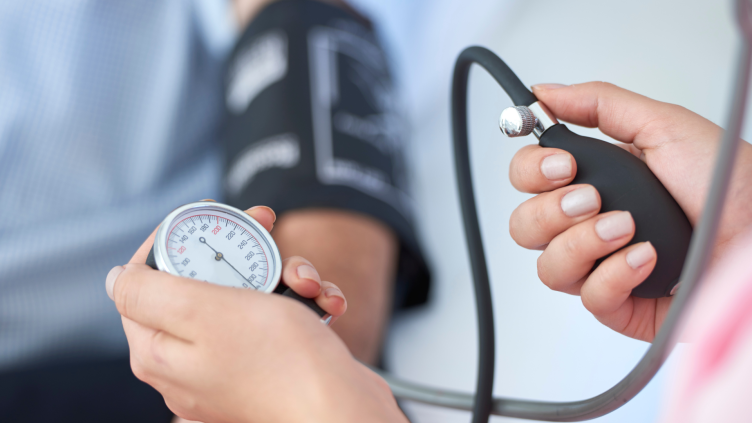
One of the best things about blood pressure is how easy it is to measure. You no longer need to wait for an annual doctor's visit to know your numbers. Many pharmacies and grocery stores have free self-service machines, and home blood pressure monitors are affordable, reliable, and simple to use. Some smartwatches and wearable devices now estimate blood pressure as well, though their accuracy can vary, so they're best used to spot trends rather than to replace a proper cuff.
If you check at home, a few small habits improve accuracy. Sit quietly for a few minutes first, keep your feet flat on the floor and your arm supported at heart level, and try to measure at consistent times of day. Taking a couple of readings a minute apart and noting the pattern over time tells you far more than any single number.
Blood pressure is one of the simplest measurements in all of health, and one of the most revealing. Two numbers, taken in seconds, offer a window into how your heart and arteries are doing and hint at your long-term risk for some of the most serious conditions there are.
The fact that high blood pressure is silent makes understanding it all the more valuable. You can't rely on how you feel, but you can rely on the numbers, and you have real influence over them. Knowing what your blood pressure means, supporting it through the way you eat, move, and rest, and checking it now and then are among the most practical things you can do for your long-term health.
The best part is how little it asks of you. Testing your blood pressure takes seconds, costs almost nothing, and can be built into your routine as easily as stepping on a scale. Make it a habit, and you turn an invisible risk into something you can see, track, and protect. Your blood pressure isn't just a routine measurement at the doctor's office. It's a reflection of how your cardiovascular system is doing right now, and a marker you have genuine power to protect.

The assistant is still loading. Try again in a moment, or email hello@wellpro.ai.