← Go Back


A lot can happen in a split second. A child darts into the road as you're driving. A glass slips from the counter toward the floor. You trip over a curb and catch yourself before you hit the ground. In moments like these, the speed at which you sense what's happening and respond to it matters enormously, even though it's all over before you have time to consciously think.
That speed is your reaction time, and it's something most people rarely think about. When it does come up, it's usually in the context of sports. We picture a sprinter exploding out of the blocks or a goalkeeper lunging for a ball, and it can be easy to forget it's a skill the rest of us rely on too. But reaction time is far more than an athletic skill. It's a window into how efficiently your brain, eyes, nerves, and muscles communicate. Research increasingly suggests that reaction time is an overlooked marker of brain and nervous system health. It's one that changes as you age and has even been linked to long-term health. The encouraging part is that it's simple to measure and possible to protect.
Reaction time is the brief interval between a stimulus and your response to it. It sounds simple, but a great deal happens in that fraction of a second. First, your senses detect something, a sound, a movement, a light. That information travels along your nerves to your brain, which processes it, decides what to do, and sends a signal back out to your muscles, which then move. The whole sequence often takes less than a third of a second.
Because so many steps are involved, reaction time reflects the health of an entire chain of systems working together: your sensory organs, your nerves, your brain's processing speed, and your muscles. When every link in that chain is functioning well, your responses are quick and accurate. When something in the chain slows down, whether from fatigue, aging, or an underlying issue, reaction time tends to lengthen. This is part of why scientists find it such a useful measure. It doesn't just test one thing. It reflects the overall efficiency of your nervous system.
Researchers often distinguish between simple reaction time, where you respond to a single expected signal, and choice reaction time, where you must respond differently depending on what appears. Choice reaction time is more demanding because it adds a layer of decision-making, and it tends to reveal age-related changes more clearly.
What makes reaction time so interesting is that it appears to function as a kind of summary measure of nervous system performance. Some researchers describe it as a marker of "system integrity," the idea being that a body whose signaling is fast and efficient is generally a healthier, more well-functioning system overall.
This connection shows up in research in striking ways. In large population studies, slower reaction times have been associated with a higher risk of mortality. In some analyses, reaction time has been an even stronger predictor of long-term health than measures of cognitive ability like IQ. It's important to be clear about what this does and doesn't mean. These findings are correlational, meaning reaction time appears to be a marker of underlying health rather than something that directly causes a longer or shorter life. A slower reaction time doesn't cause poor health, but it may reflect the efficiency of the systems that do influence it. Still, the fact that this link continues to turn up across studies is part of why reaction time has drawn so much scientific interest.
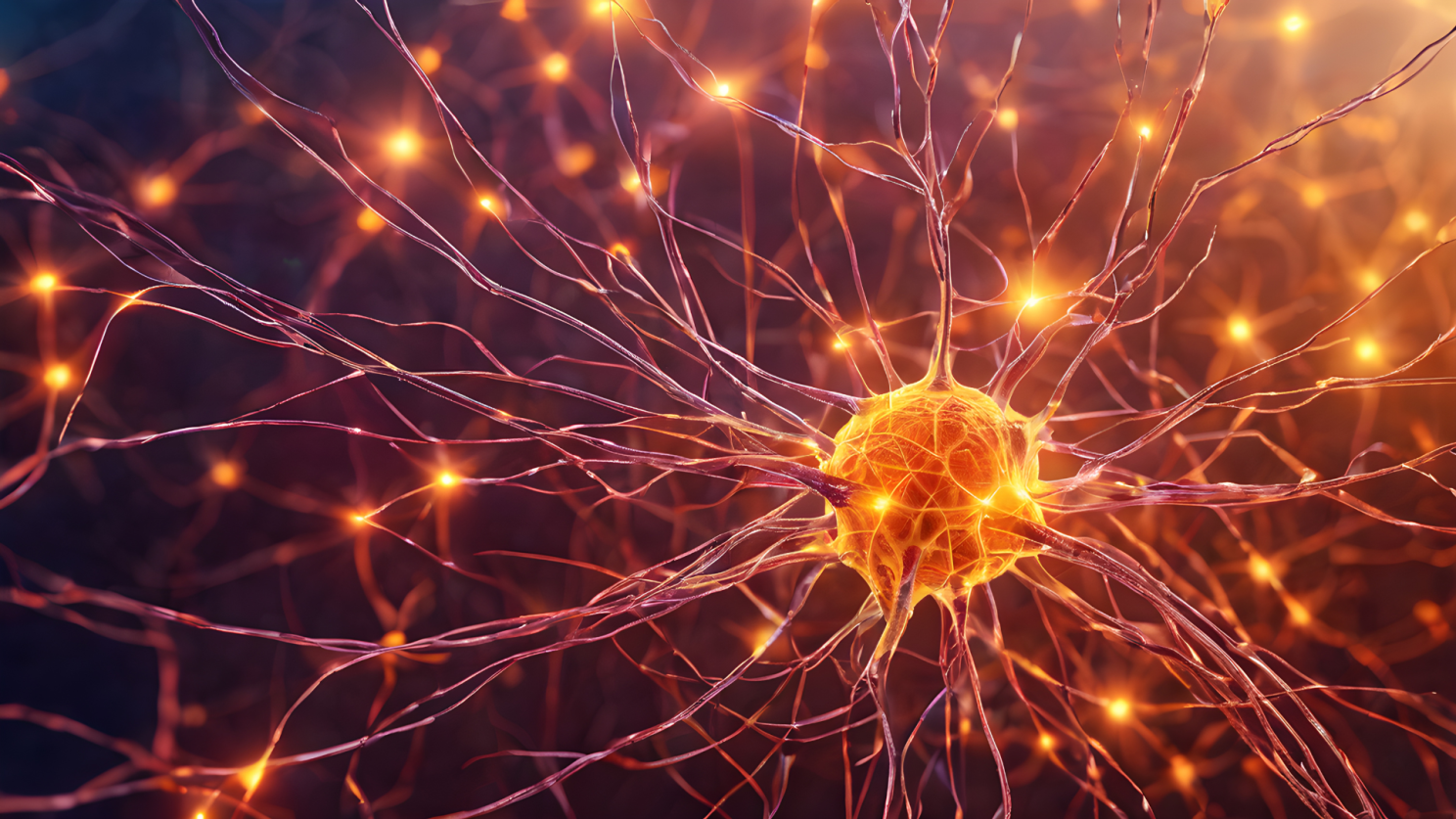
Reaction time tends to peak in early adulthood, often in the early twenties, and then slows gradually with each passing decade. The change is usually so slow that most people never notice it until much later in life, when it may show up as being a little slower to catch something, react in traffic, or recover after you lose your balance.
A few things appear to drive this age-related slowing. Processing speed in the brain tends to decline, the insulation around nerves (called myelin) can degrade, and the efficiency of communication between brain regions may decrease. Interestingly, research suggests that the largest age-related changes tend to occur in the processing and decision-making part of the sequence rather than in the senses or muscles themselves. In other words, it's often the brain's central processing, not the eyes or the hands, that slows the most.
There's also a subtler change worth noting. As people age, their reaction times tend to become not only slower but more variable, meaning less consistent from one moment to the next. Some researchers consider this increasing variability to be one of the earliest and most sensitive signs of cognitive aging, sometimes appearing before average speed changes much at all.
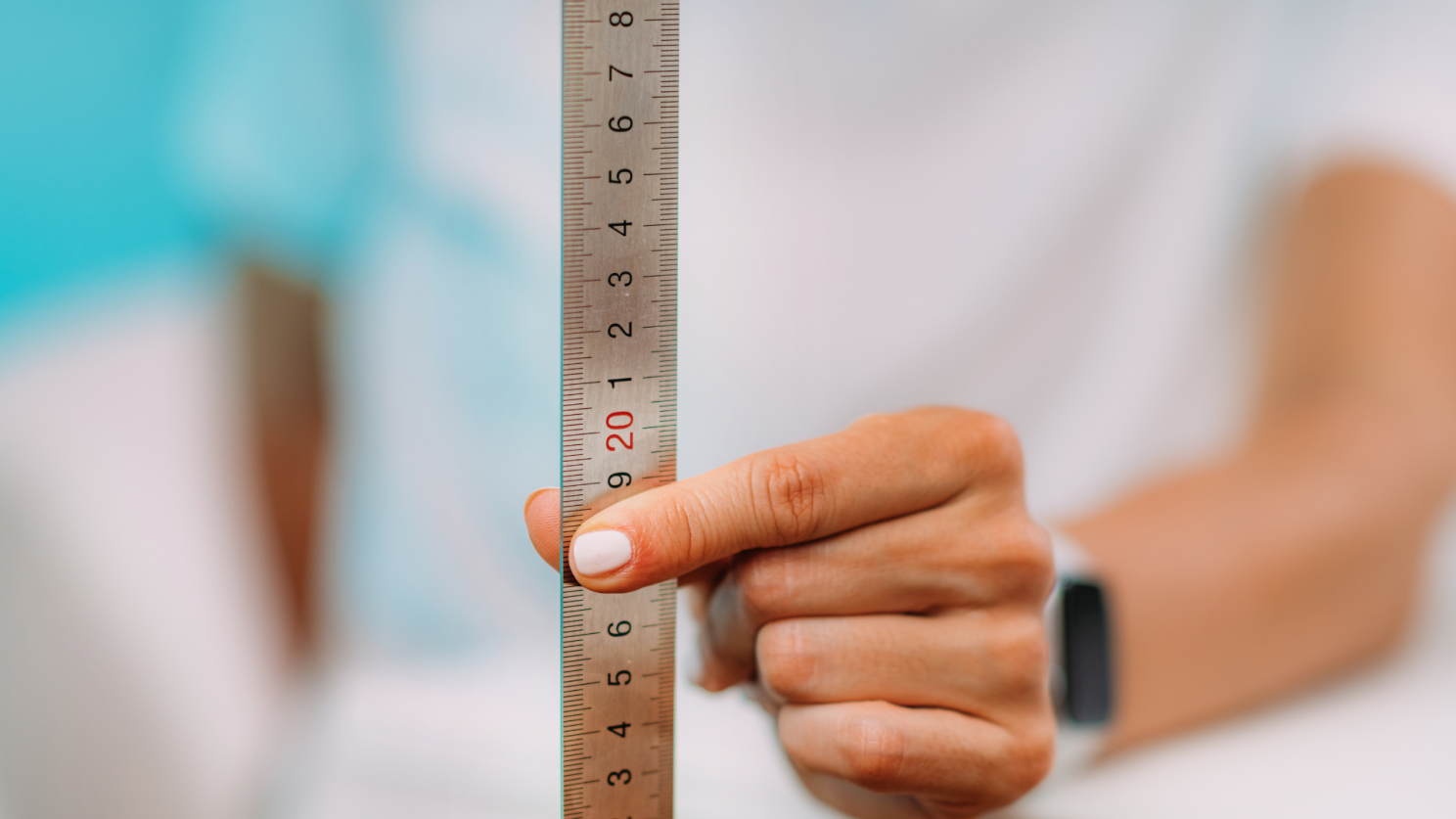
One of the appealing things about reaction time is that, unlike many health markers, you don't need a lab to get a sense of it. A classic low-tech method is the ruler-drop test: have someone hold a ruler vertically just above your open hand, then drop it without warning, and note how far it falls before you catch it. The shorter the distance, the faster your reaction. There are also many free apps and online tools that measure reaction time digitally, which can be useful for tracking changes over time.
These tools aren't medical assessments, and a single measurement isn't cause for worry or celebration. But checking in periodically can be a simple, engaging way to stay aware of one aspect of your nervous system's performance.
Because reaction time reflects the health of your brain, nerves, and muscles, the habits that support those systems tend to support reaction time as well. The encouraging news is that these are largely the same foundations that support overall health.
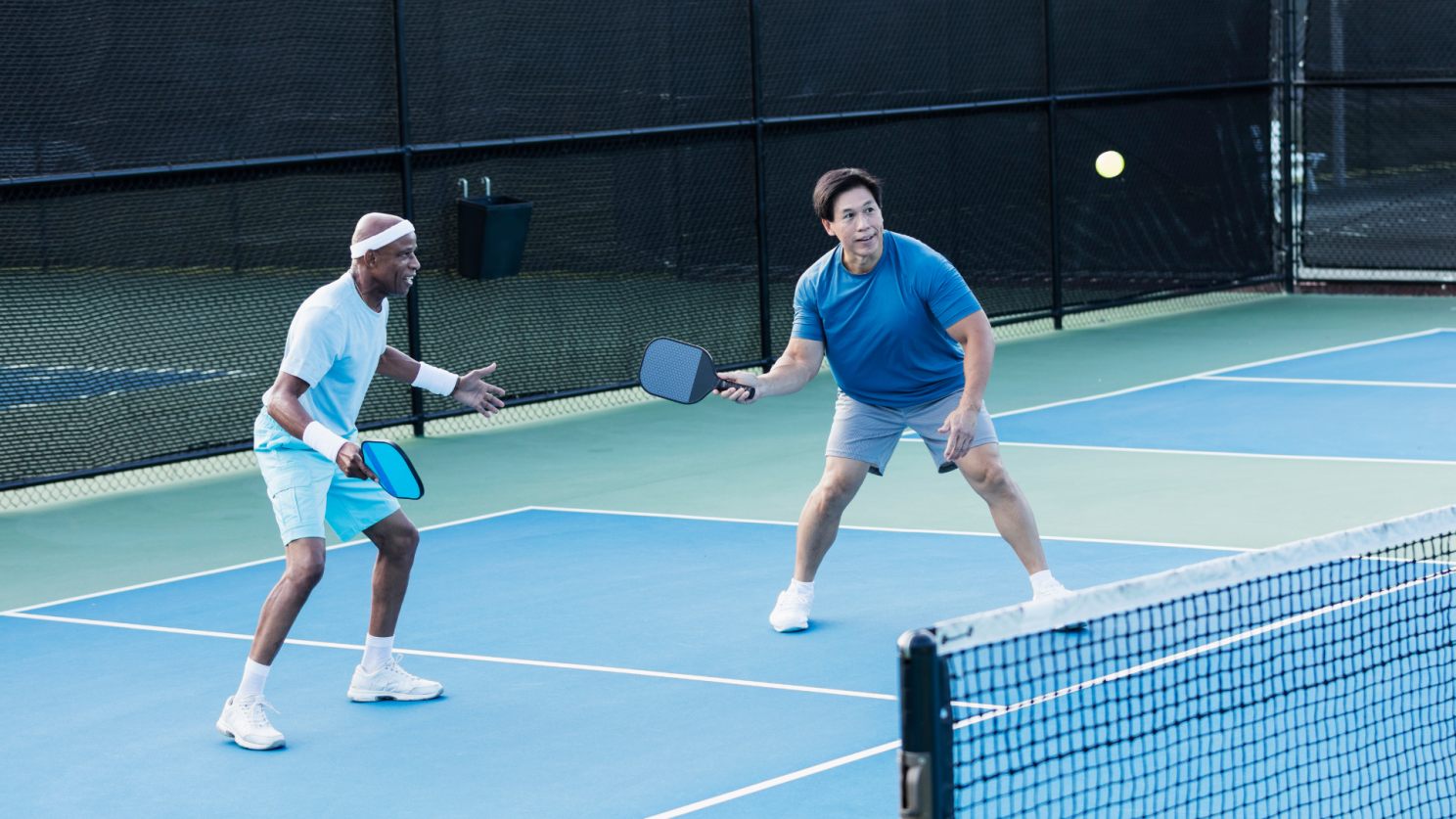
Exercise, especially activities that combine movement and quick decisions. Regular physical activity supports brain health, circulation, and processing speed. Activities that require rapid responses, like racquet and paddle sports (think tennis, table tennis, or pickleball), certain group fitness formats, or agility drills, may be particularly helpful because they challenge the sense-process-respond loop directly.
Prioritize sleep. Sleep deprivation is one of the fastest and most reliable ways to slow reaction time. Even a single poor night can measurably impair how quickly you respond, and chronic short sleep compounds the effect. Consistent, quality sleep is one of the most powerful levers you have.
Stay hydrated and limit alcohol. Even mild dehydration can impair processing speed and alertness, and alcohol is well known to slow reaction time significantly, even in small amounts.
Challenge your brain. Activities that demand quick processing and decision-making, including certain video games, music, and reaction-based training tools, may help maintain or modestly improve responsiveness. The benefits are often somewhat specific to what you practice, so variety helps.
Support cardiovascular and metabolic health. Because your brain depends on healthy blood flow, the habits that protect your heart and blood vessels also protect the brain's ability to process and respond quickly.
Reaction time is easy to overlook precisely because it works so well, so quietly, most of the time. But that split-second ability is the product of an extraordinary chain of communication across your whole nervous system, and how fast it runs reflects how well that system is working. It often takes just one moment, a slip on the stairs or someone stepping into the road in front of you, to realize how much you need to be able to count on it.
Reaction time is a uniquely accessible marker. It's easy to measure, responsive to how you live, and tied to the same foundational habits that support nearly every other aspect of well-being. Caring for your sleep, your movement, your heart, and your brain does more than sharpen how quickly you respond when it counts. Take care of the fundamentals, and you're not just protecting your reaction time. You're supporting the brain-body connection that helps keep you sharp, mobile, and well for years to come!

The assistant is still loading. Try again in a moment, or email hello@wellpro.ai.