← Go Back


The average person checks their phone somewhere between 150 and 200 times per day, and sometimes more. That works out to roughly once every five to seven minutes during waking hours. Most of those checks are quick and almost reflexive, but a meaningful portion of them turn into something else. You open the phone to glance at the time, and twenty minutes later you have slipped into a string of YouTube Shorts, TikToks, Instagram Reels, or maybe even your LinkedIn feed, with no real idea where the time went. Almost always, you didn't plan to spend that time, it was nowhere on your list of things to do, and you almost certainly did not feel better after spending it.
What most people don't realize is that you did more than just lose track of time. While you were scrolling, your brain was being rewarded, fast and repeatedly. Each swipe delivered a small hit of dopamine. Each fast cut fed a craving for the next thing. And when you finally put the phone down, the slower pace of ordinary life can feel a little flat by comparison, like the volume of the world has been turned down. (you might even be doing it right now.)
This pattern of compulsive short-form content consumption has quietly become one of the most common habits of modern life. The good news is that this is not a story about your phone being evil or your willpower being broken. It is a story about how a very normal brain responds to a very unusual environment, and what you can do once you understand the mechanics.
Short-form content refers to the rapid, algorithm-driven videos that dominate platforms like TikTok, Instagram Reels, and YouTube Shorts. Each piece is typically a few seconds to a minute long, designed to deliver maximum engagement in the shortest possible time. The feed never ends. There is no natural stopping point. And the algorithm constantly learns what holds your attention, serving you more of it whether or not you consciously chose to keep watching.
Importantly, short-form content is not inherently bad. Some of it is genuinely entertaining, some of it is educational, and some of it connects people or makes them laugh in ways that improve their day. The issue is not the content itself but the way the format interacts with the brain. The speed, the unpredictability, the endless supply, and the algorithm's ability to optimize for your attention make short-form content uniquely capable of holding people far longer than they intended.
A few overlapping systems explain why the feed is so hard to put down.
The variable reward. Every time you swipe, your brain releases a small amount of dopamine in anticipation of what might come next. The key is unpredictability. Most videos are average, some are good, and a few are unforgettable, and you never know which is coming. This pattern, where the reward is real but unpredictable, is one of the most reinforcing patterns of behavior known in psychology. It is the same structure that makes slot machines compelling, and short-form platforms are built around it.

Novelty seeking. Your brain is wired to notice new and changing things. A constant stream of fresh videos, each different from the last, taps directly into that instinct and makes disengaging genuinely difficult.
Algorithmic optimization. Unlike older media, these platforms learn what holds your attention specifically. The longer you scroll, the better they get at serving you content you find hard to ignore. This is part of why short-form feeds can feel so much more compelling than television or other entertainment.
Research on short-form content is still young, and most of it is correlational, meaning it can show patterns but cannot yet prove that scrolling directly causes the effects. With that honest caveat in mind, here is what the early evidence and a good understanding of the brain suggest.
The most relatable effect is something like a contrast problem. When your brain spends time in an environment of constant, fast, high-intensity stimulation, slower experiences can feel underwhelming by comparison, at least temporarily. This is why a long article, a normal-paced conversation, or a film can feel sluggish right after an extended scrolling session. The good news is that this appears to be largely a recalibration rather than permanent damage. Attention is responsive, and stepping away tends to let the baseline return.
Beyond that, heavy use has been associated with several effects:
Weakened focus: Habitually consuming fast, constantly changing content may make it more effortful to settle into slower, sustained tasks like deep work or reading. When your brain becomes accustomed to a new piece of stimulation every few seconds, the patience required for a long meeting, a dense report, or a book can feel harder to find.
Mental fatigue: Despite feeling passive, scrolling consumes real cognitive and emotional resources. Your brain is constantly processing new images, sounds, and micro-decisions about whether to keep watching or swipe away, and that rapid switching adds up. Many people end a session feeling drained rather than refreshed, and find it harder to focus on whatever they do next.
Sleep disruption: Scrolling at night has been associated with delayed sleep onset and poorer sleep quality. This is driven partly by light exposure, but also by the mental and emotional activation that scrolling can create.
Mood and comparison effects: Heavier social media and short-form use has been associated with anxiety and low mood. It has also been linked to increased social comparison, particularly among those who use it most and among younger users.
Compulsive patterns: Over time, scrolling can shift from a choice into an automatic habit, where you reach for the phone and begin without any conscious decision.
It is worth emphasizing that these effects are not universal. Many people use short-form content without meaningful downsides. The useful question is not whether to use these platforms at all, but how much, when, and with how much awareness.
Part of it is the variable reward already described. The rest comes down to design and habit. The format is engineered to be frictionless, the algorithm improves the more you use it, and there is no natural endpoint to signal that you are done. Layer on that scrolling is low effort and available the moment you feel bored or tired, and you have a behavior that slips easily from an occasional choice into an automatic reflex.
It also helps to remember how these platforms actually work. Most of them are free, which can make them feel harmless. But you are still paying. You are just paying with your attention instead of your money. When a product is free, you are usually the product, and the thing being sold is your time and focus to advertisers. That is not a reason to feel guilty for using these apps, but it is a useful reframe. The platform's goal is to keep you scrolling as long as possible, and your goal may be very different.
The encouraging part is that this is a habit, not a fixed trait, and small changes tend to compound. You do not need to quit entirely. Most people just need a few guardrails that shift scrolling from an automatic reflex back into a conscious choice.
Notice and name it. Simply registering "I have been scrolling for thirty minutes" interrupts the automatic nature of the behavior and gives you a moment to choose differently. Much of scrolling happens on autopilot, so awareness alone is often enough to break the trance and hand the decision back to you.
Add friction. Where your phone is matters more than most people realize. Keeping it out of reach, off your desk, and out of sight while you work removes the easy default to grab it. Turning off notifications, removing the apps from your home screen, or switching your screen to grayscale all insert small barriers that disrupt the automatic reach. The harder it is to start, the less you will scroll without meaning to.
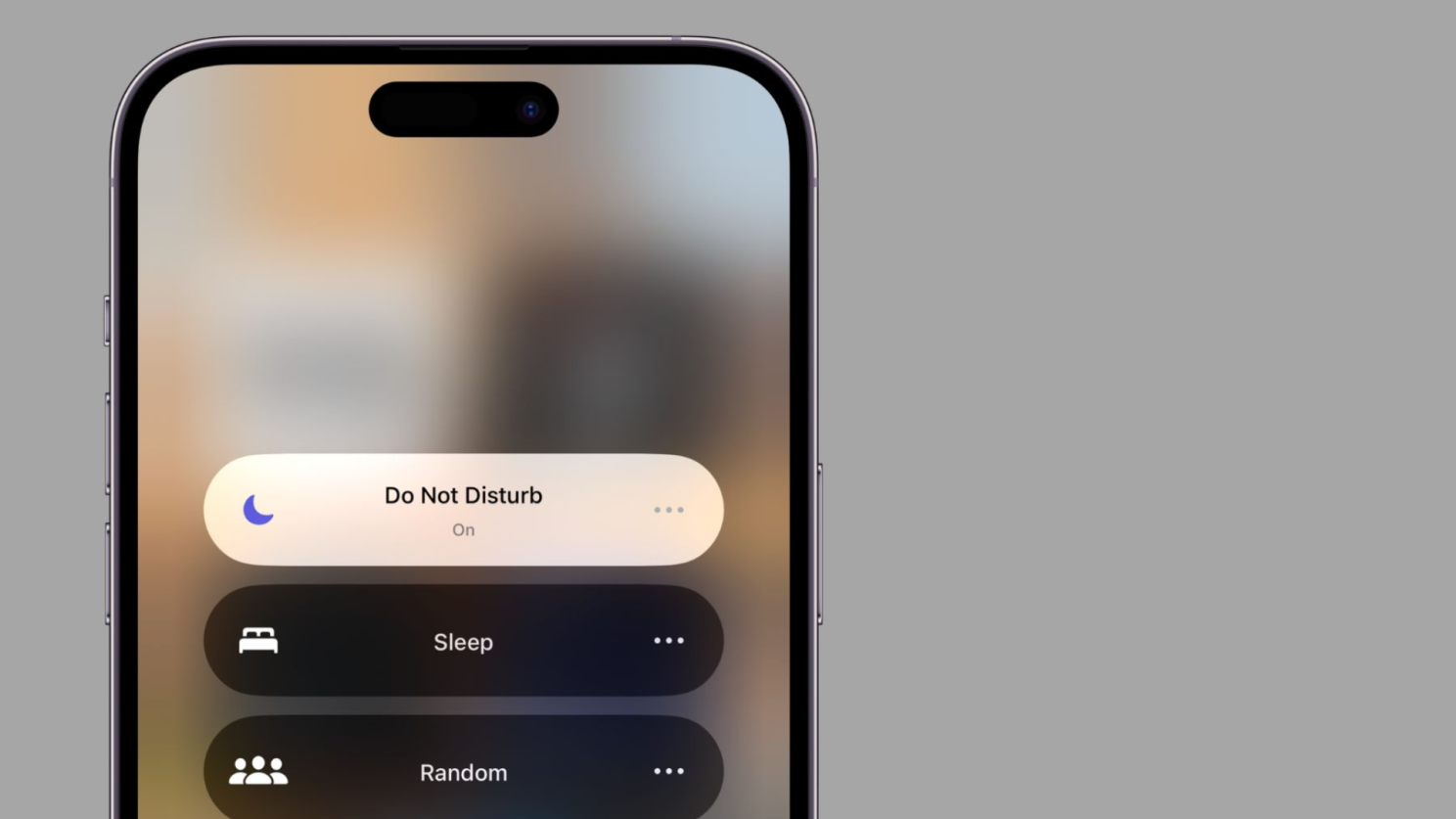
Set time limits. Most phones let you cap time on specific apps. Even though the limit can be overridden, the prompt restores a moment of awareness in the middle of the loop, which is often exactly when you need it most. Some people also find it helpful to set specific windows for scrolling rather than allowing it throughout the day.
Curate your feed. Algorithms learn from what you engage with. Being intentional about what you watch, skip, follow, and report gradually shifts what you are shown, making the experience both more enjoyable and less compulsive. If certain content consistently leaves you feeling worse, training the algorithm away from it can meaningfully improve your experience.
Protect the morning and evening. The first and last hours of the day have an outsized effect on your mental state and sleep. Try your best to trade some of that scroll time for reading, movement, or quiet, which tends to improve mood, focus, and rest. Starting and ending the day on your own terms rather than the algorithm's can change how the entire day feels.
Replace, don't just remove. It is hard to stop scrolling without giving your brain something else to do. A book, a walk, an instrument, or a conversation within reach makes the change far easier than willpower alone. The goal is not to white-knuckle your way through boredom, but to have something more rewarding ready to step into.
Short-Form Content Is a Tool, Not a Trap
The most important reframe is this: short-form content is not inherently bad, and using it is not a sign of weakness by any means. The platforms are engineered to be engaging, and nearly everyone is susceptible. The issue is not that you scroll from time to time. It is when scrolling quietly takes over time, attention, sleep, and energy that you would rather spend elsewhere.
The same brain that gets pulled into the loop is fully capable of stepping out of it. Small, consistent adjustments to how and when you engage can produce real improvements in focus, mood, sleep, and your sense of calm, and the slower pace of ordinary life starts to feel rich again rather than flat.
Your attention is one of the most valuable things you have, and increasingly one of the most fought over. Remember that on most of these apps, your attention is the product being sold. The encouraging part is that you get to decide who it goes to. Deciding for yourself how to spend it may be one of the most practical things you can do for your mental and physical health.

The assistant is still loading. Try again in a moment, or email hello@wellpro.ai.